Datong: Northern China's overlooked city of temples and grottoes
A former imperial capital with world-class Buddhist caves, ancient monasteries and a walled city centre. Less visited than other heritage sites, making it ideal for travellers seeking authentic experiences.
Worldway Travel · 11 November 2026
What Datong is and why it matters
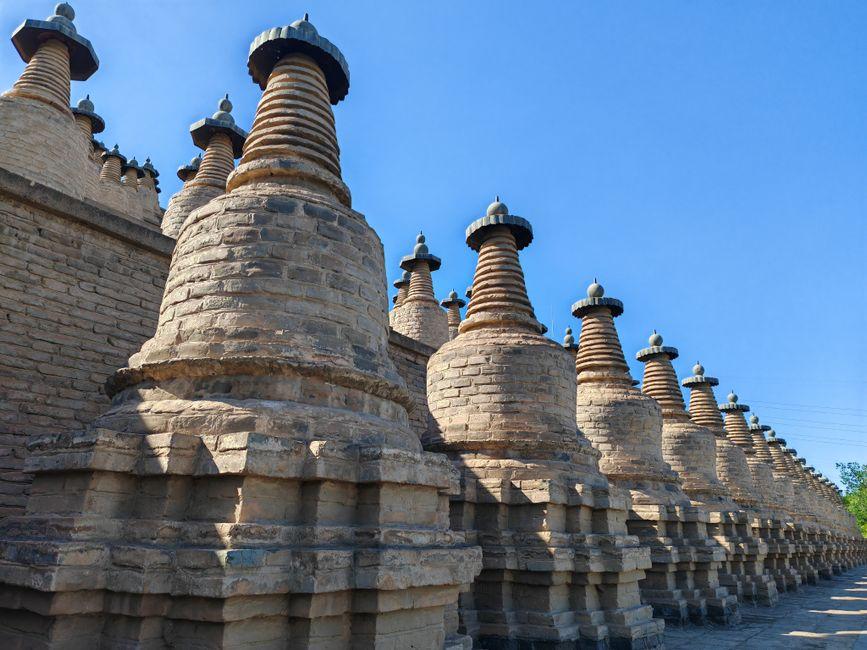
Datong sits in northern Shanxi Province, about 350 kilometres southwest of Beijing. Most New Zealanders have never heard of it, which is precisely why it deserves attention. For more than a century during the Northern Wei Dynasty, this was China's imperial capital—a thriving centre of politics, culture and Buddhist scholarship. Later, during the Ming Dynasty, it became one of China's nine strategic border fortresses. Today, Datong remains a working city of around a million people, not a theme park. This authenticity, combined with genuinely significant historical sites, makes it one of northern China's most rewarding destinations for travellers who venture beyond the usual circuit.
The city sits at elevation above 1,000 metres, which shapes its climate and character. Winters are long, cold and very dry. Summers are warm. Spring and autumn are pleasant, making these the best seasons to visit. The continental climate means the air is crisp and clear—good for photography and sightseeing.
Getting there and around
Datong is well connected by transport. High-speed trains from Beijing take less than two hours, and services also run from Hohhot and from other Shanxi cities like Taiyuan and Pingyao. The airport receives flights from southern Chinese cities, Hong Kong and Bangkok, though if flying in from Beijing it is easier to take a train. Most visitors arrive by rail.
Within the city, buses are inexpensive and run frequently, though foreigners must pay cash (¥1 per ride) rather than using a card. The DiDi taxi app works smoothly. For trips to outlying sights like the Hanging Monastery, hiring a taxi for the day is often worth the cost. Walking works well inside the walled Ancient City, but distances outside are deceptive—what appears to be a short walk can take 45 minutes.
The Yungang Grottoes and beyond
The Yungang Grottoes are Datong's signature attraction: a series of Buddhist cave temples carved into cliffs between the 5th and 6th centuries. The scale is immense. Carved by Northern Wei emperors and their court, the caves hold thousands of Buddha statues ranging from colossal figures to tiny ones barely visible without close inspection. The artistic detail and historical significance rival any religious site in Asia. A visit requires several hours to appreciate properly.
The Hanging Monastery is equally striking. Built into a cliff face high above a gorge, this precarious structure seems to defy gravity. It combines Buddhist, Taoist and Confucian elements, reflecting the religious pluralism of medieval China. The walk up to it is steep but manageable, and the views from above the gorge are substantial.
The Wooden Pagoda, a nine-storey octagonal structure from the 11th century, stands in the nearby Ying County. It is one of China's oldest and finest wooden buildings. Unlike many renovated heritage sites, this one feels genuinely ancient.
Religious sites in the Ancient City
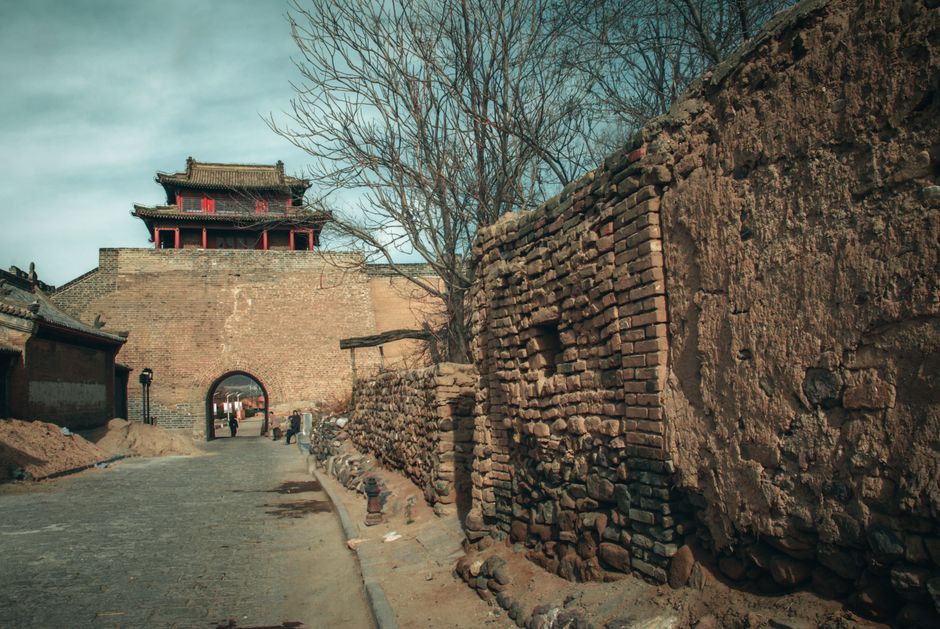
Within Datong's walled centre, several monasteries and temples reward exploration. The Huayan Monastery is the largest surviving temple from the Liao and Jin Dynasties and contains the Mahavira Hall—the largest single wooden-roofed Buddhist hall in existence. The painted sculptures and original ceiling panels inside convey something of medieval China's artistic achievement.
The Shanhua Monastery dates to the Tang Dynasty and was rebuilt during the Jin Dynasty. Its collection includes Liao and Jin Dynasty structures, each with their own artistic character. The Datong Confucian Temple, unusually, predates most other Confucian temples outside Confucius's birthplace of Qufu. The temple's halls, gates and wall murals tell the story of Ming and Qing period Chinese culture.
The Chunyang Taoist Temple is smaller and quieter than these larger complexes, offering a more intimate sense of religious space. The Datong Guandi Temple houses classical murals and an outstanding Qing Dynasty wooden shrine, plus contemporary sculptures by prominent Chinese artists.
Most of these sites are set within courtyards and gardens, creating peaceful spaces in the city. Entry fees are modest. Visitors should carry their passport, as many sites require it for entry. Check opening hours before visiting, as they can change seasonally.
Who Datong suits
Datong appeals most to travellers interested in Chinese history, Buddhist art and architecture. It works well for those who have already visited China's more famous sites—the Great Wall, the Forbidden City, Xi'an's terracotta army—and want something less predictable. The city is less crowded than these showpiece destinations and offers genuine encounters with local life.
Visitors should expect a city that sees fewer foreign tourists than Beijing or Shanghai. Local people are curious and friendly, but English is limited. A guided tour or a good translation app helps. The redeveloped Ancient City mixes tourist shops with authentic temples, so patience helps in finding the genuine sites among the commercial development.
The combination of world-class Buddhist caves, multiple significant monasteries, and a functioning city with real character makes Datong worth adding to an itinerary. For first-time visitors to China, it offers a less overwhelming introduction than China's megacities. For repeat visitors, it provides depth and authenticity.