Fenghuang: a riverside ancient town in western Hunan
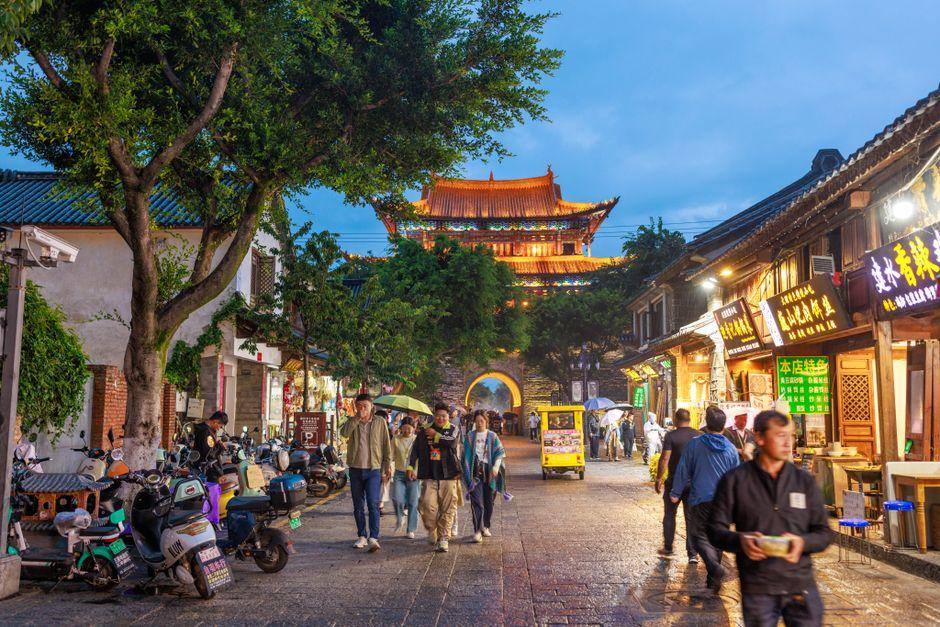
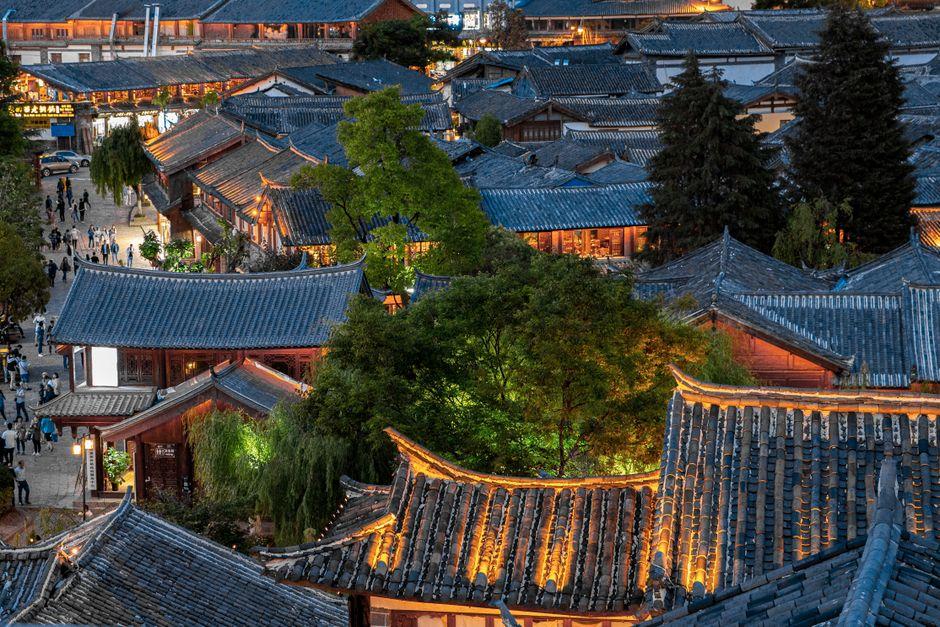
Fenghuang is a well-preserved riverside town in Hunan Province with Ming and Qing architecture, literary heritage and minority culture. It suits travellers seeking a smaller alternative to crowded big-city sights.
Worldway Travel · 13 November 2026
Why Fenghuang matters
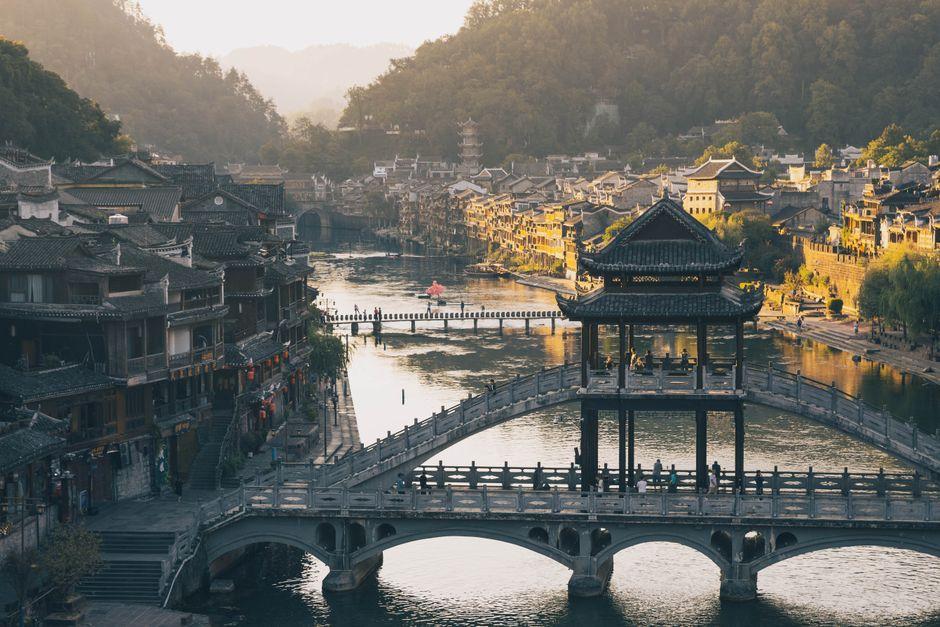
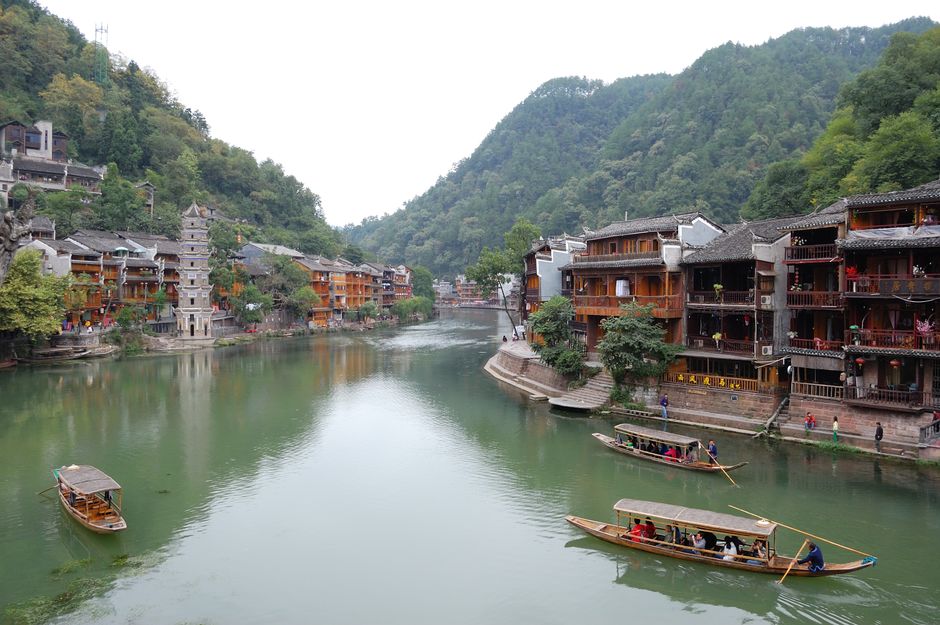
Fenghuang sits in western Hunan Province, about 30 minutes south of the larger city of Jishou. The old town spreads along a river and has survived largely intact from the Ming and Qing dynasties, making it one of China's better-preserved ancient settlements. It is considerably smaller and quieter than walled cities like Pingyao, so it appeals to travellers who want historical atmosphere without the crowds—though popularity has been growing.
The town holds literary significance as the birthplace of Shen Congwen, an influential 20th-century writer, and remains home to the contemporary artist Huang Yongyu. These cultural connections attract visitors interested in Chinese arts and letters, not just architecture.
Getting there from New Zealand
From Auckland, your flight to mainland China will likely arrive in one of the major hubs: Beijing, Guangzhou, Shanghai or Chengdu. From any of these, reaching Fenghuang is straightforward. A high-speed train from Changsha (the capital of Hunan Province) takes about two to two and a half hours. Trains also run from Zhangjiajie, further south, in about 50 to 65 minutes. Buses operate from these same cities and several others; the most frequent services run from Jishou, which is only 30 minutes away by road.
The town also has access to a regional airport served by flights from major Chinese cities, though this is less common for most international visitors. Ground transport from the airport into town involves a short shuttle bus ride or taxi.
What to see and do
Most of Fenghuang's main attractions are clustered in and around the old town, which is best explored on foot. A tiered ticket system ("through ticket") bundles access to several sights at a reasonable combined price; buying individual tickets to each attraction costs more.
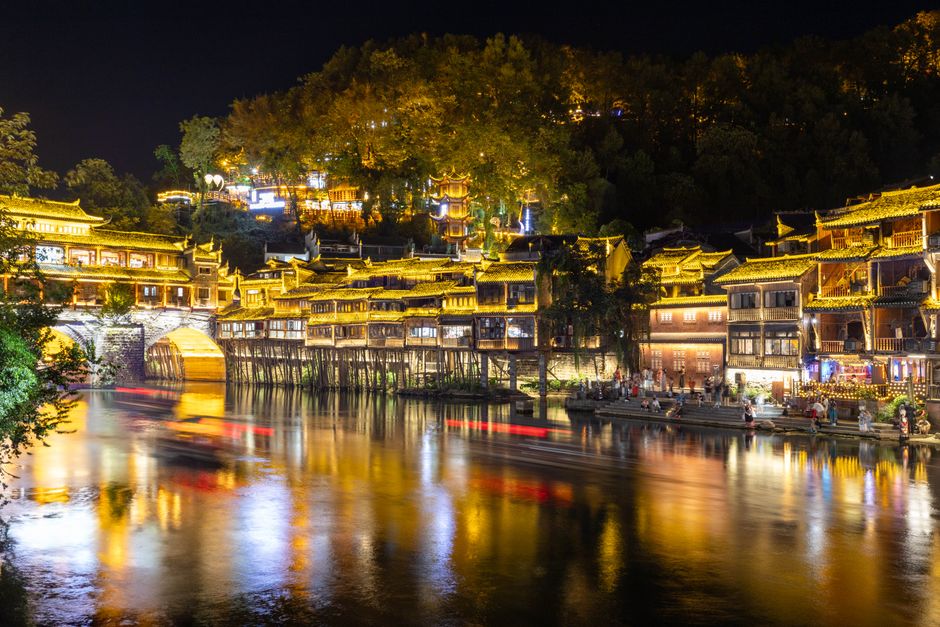
The East Gate Tower marks one entrance to the old quarter. The Yang Family Ancestral Hall and Hong Bridge are among the most photographed structures; the bridge, rebuilt during the Ming period, is reflected in the river and offers views from its upper gallery. The Former Home of Shen Congwen is also included in the through ticket and provides insight into the writer's early life. Wanshou Temple and the Queen of Heaven Temple add to the religious and cultural fabric, with the latter free to enter.
The Gucheng Museum documents local history and is included in the broader through-ticket packages. For those staying longer, a regional ticket extends to the Southern Great Wall, an outer defence line about 15 kilometres west of town. Unlike the Great Wall in the north, this section blends steep passages with views of rice terraces and countryside, making it a demanding but scenic walk. A Go competition between Chinese and Korean champions, using costumed people as pieces, takes place in the fortress courtyard every two years.
Shopping and food
Fenghuang is known for ginger candy made and sold throughout the old town, often by vendors working from small stalls. Local Miao people—one of China's ethnic minorities—are master silversmiths, and the town has several shops selling silver jewellery and objects. Quality varies widely; cheaper mass-produced souvenirs fill many tourist-oriented shops, while established silverwork sellers offer genuine pieces.
Evening brings crowds of street vendors into the narrow lanes, grilling meats, making dumplings, frying potatoes and flatbreads, and barbecuing vegetables. Restaurants operate throughout the town, though options vary by season.
Practical matters
Fenghuang Old Town is best navigated on foot, though getting from the bus stations to the main entrance typically requires a taxi. The old streets and buildings are not wheelchair accessible. Minivan drivers congregate near the town and will negotiate fares to outlying sights such as the Southern Great Wall; clarify the price, group size and time spent before agreeing.
Roads and public transport can become congested on weekends and Chinese public holidays. If possible, plan your visit for a quieter weekday. Entry and visa requirements for China change periodically and must be checked with official sources before booking your trip.