Guangzhou: China's cosmopolitan trading city and modern gateway
Southern China's most open and international city blends 2,200 years of trading history with contemporary prosperity, excellent museums, and renowned Cantonese food culture.
Worldway Travel · 15 November 2026
What makes Guangzhou different
Guangzhou feels different from other major Chinese cities. For centuries a window to the outside world—first through the Maritime Silk Road, then through European trade, and now through global business—the city has always welcomed foreigners. Visitors often report feeling more at ease here than in less cosmopolitan cities, where foreign faces attract curiosity. The city has absorbed influences from across Asia, the Middle East, Africa and the West, creating a genuinely international atmosphere without sacrificing its local identity.
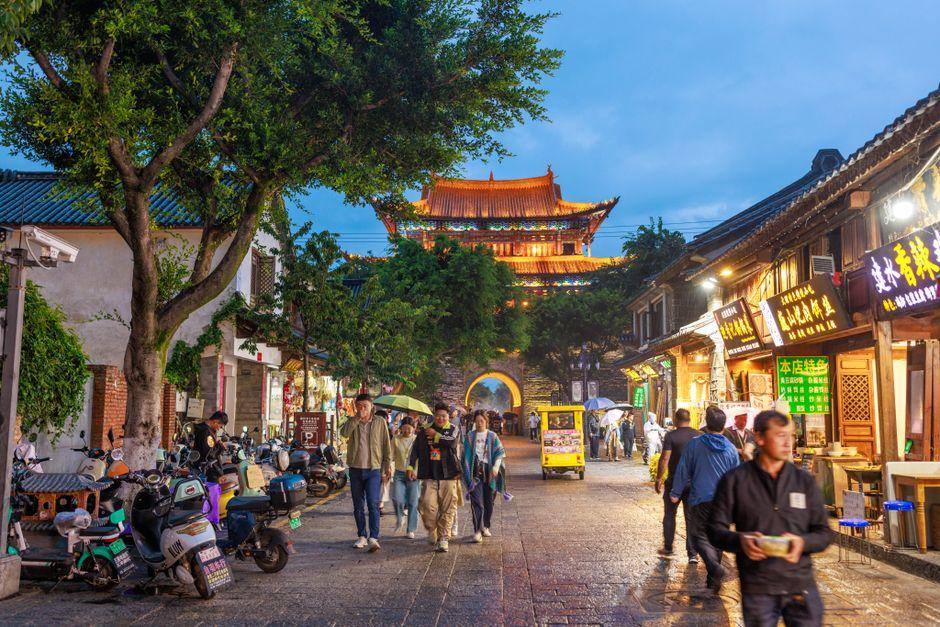
Today, with a population of nearly 19 million, Guangzhou ranks as China's fourth-largest city and one of its most prosperous. It remains the economic heart of the Pearl River Delta, the manufacturing and trading powerhouse of southern China, and hosts the Canton Fair, China's largest international trade event. Yet beyond the gleaming business districts and shopping centres, traditional neighbourhoods continue at an older pace, where locals gather for tea and conversation in the mornings, and street food vendors operate late into the night.
A city shaped by trade
Guangzhou's story is inseparable from commerce. Founded around 2,200 years ago, the city rose to prominence as the crucial link connecting southern China to India, Southeast Asia, the Middle East, and Africa via the Maritime Silk Road. This role brought wealth and diversity: a mosque built in 627 still stands, evidence of early Islamic contact; Zen Buddhism took root here after the Indian master Bodhidharma arrived to teach; and the sixth patriarch of Zen Buddhism was born in the city.
When Europeans arrived in the 16th century, Guangzhou became their sole point of entry into China. Portuguese traders came first in 1514, followed by the British East India Company in 1711. For over a century, foreign merchants were confined to a specific riverside district called the Thirteen Factories, conducting business under strict Chinese government control. This enforced exclusivity ended after the First Opium War in 1842, when China opened four additional treaty ports—a loss that paradoxically accelerated Guangzhou's transformation into a modern industrial city.
The city also played a pivotal role in 20th-century Chinese politics. Sun Yat-sen, the founder of modern China, based himself in Guangzhou during his struggle against warlords and established the Huangpu Military Academy here. The academy trained leaders who would shape both the Nationalist and Communist movements, making Guangzhou a birthplace of modern Chinese history.
What to see and experience
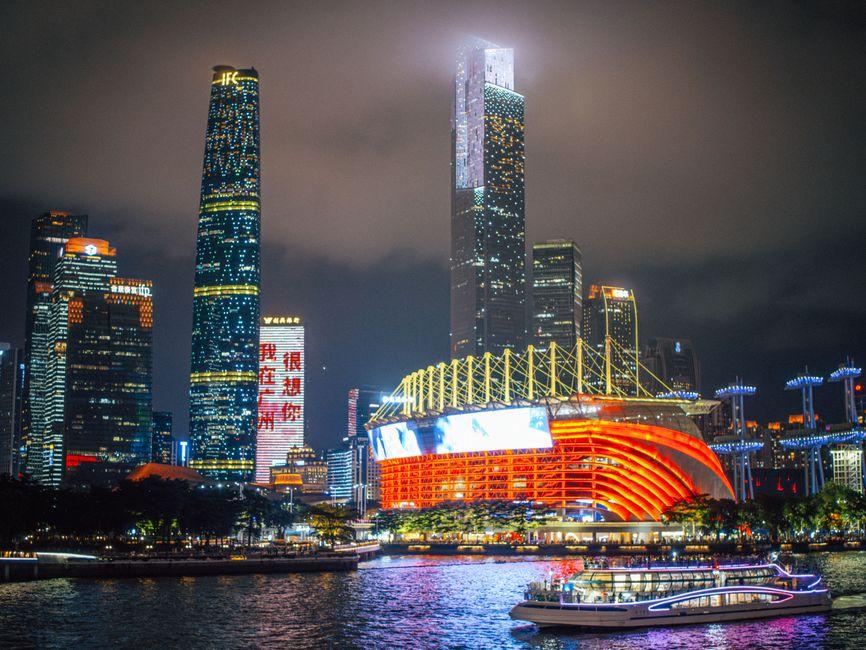
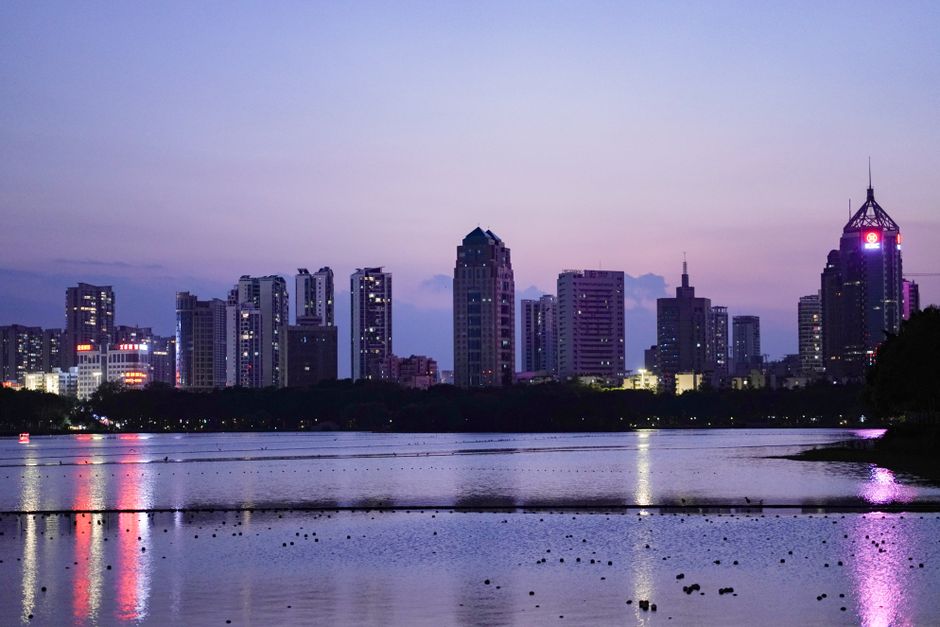
The core districts—Liwan, Yuexiu, and Tianhe—contain most sites of interest to visitors. Guangzhou boasts China's largest urban park, which offers a peaceful retreat from the city's energy. An island lined with restored colonial-era buildings preserves the flavour of the trading era. The city's skyline is globally recognised, punctuated by modern towers that reflect its status as a leading financial centre.
Museums and galleries are world-class. The city has invested heavily in cultural venues that showcase contemporary art, historical artefacts, and travelling exhibitions. These institutions rival those in Shanghai and Beijing, yet often feel less crowded. Religious sites remain active places of worship and cultural significance: temples, mosques, and churches reflect the layers of history deposited over centuries of international contact.
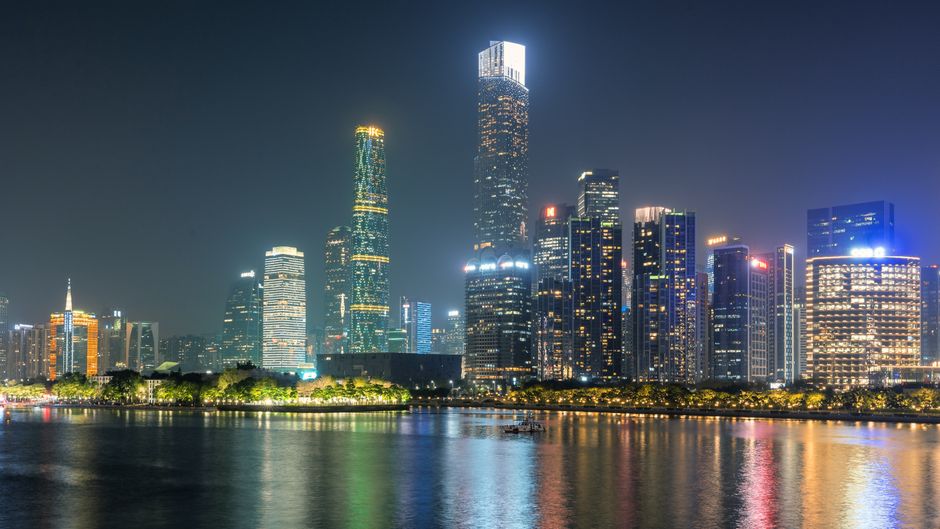
A central square serves as the city's symbolic heart, while the Pearl River itself remains central to Guangzhou's identity. Evening walks along the river, watching the skyline light up, offer a contemporary perspective on a city that never stops working and trading.
Cantonese food and late-night culture
Guangzhou is famous across the world for Cantonese cuisine, and the city itself is where this culinary tradition thrives most authentically. The Cantonese people have a deserved reputation for culinary skill, and locals take eating seriously—dim sum restaurants fill with people from dawn onwards, and dinner extends into the small hours. Street food vendors operate until early morning, offering everything from soup noodles to roasted meats. The city's food culture is not tourist theatre; it is how locals actually live.
This extends to a broader culture of socialising in public spaces. Early mornings see residents gathering in parks for tai chi or simply to chat over tea. Evenings bring crowds to night markets, restaurants, and pedestrian streets. The pace feels more relaxed than in Beijing or Shanghai, despite the city's size and economic importance.
Who should visit
Guangzhou suits travellers seeking a modern Chinese city with genuine international character and less of the overwhelming scale of Beijing or Shanghai. It appeals to those interested in trading history, maritime heritage, and the story of how China encountered the outside world. Food lovers will find few cities anywhere more rewarding. Visitors who prefer to explore beyond the famous landmarks will discover traditional neighbourhoods, active temples, and local life unfolding at a human pace.
The city is accessible and comfortable for first-time visitors to China. English is more widely spoken than in many Chinese cities, and the local population is accustomed to interacting with foreigners. The combination of world-class museums, historic sites, contemporary culture, excellent food, and the genuine openness of the place makes Guangzhou rewarding for a week-long visit or a few days within a longer China itinerary.