Harbin: China's Russian-influenced ice city in the northeast
Harbin is China's northernmost major city, shaped by Russian settlement and famous for its winter ice festival. A fascinating blend of Asian and European architecture, history and cuisine.
Worldway Travel · 14 November 2026
A city shaped by Russia and railways
Harbin sits in China's far northeast, the capital of Heilongjiang Province and home to over 10 million people. The city's character reflects an unusual history: it was founded in 1897 as a Russian railway camp and grew into an international trading hub that attracted settlers from dozens of countries. Today, Russian influence remains visible everywhere—in the architecture, street names, and local food traditions—making Harbin feel distinctly different from other Chinese cities.
The Russo-Japanese War of 1904–1905 marked a turning point. As Russia's regional power weakened, Harbin became a magnet for refugees from Russia's upheaval. Following the 1917 October Revolution, thousands of White Russians fleeing the communist takeover settled here, along with a significant Jewish population. By the 1920s, Harbin was home to one of the world's largest Russian expatriate communities outside Russia itself. The city earned the nickname "Moscow of the East."
World War II and the subsequent Chinese Civil War brought dramatic change. Soviet forces occupied the city in 1945, and most Russian residents either were deported back or fled westward. China regained full control in 1952. Yet the Russian legacy never disappeared. Walk through certain neighbourhoods and you encounter pre-Soviet buildings, Orthodox chapels, and restaurants serving borscht and pelmeni alongside noodles and dumplings.
Winter transforms the city
Harbin's climate is extreme. Winters are long, bitterly cold, and snowy—temperatures regularly drop below minus 10°C from December through February. For most visitors, this sounds inhospitable. Yet winter is precisely when Harbin becomes remarkable.
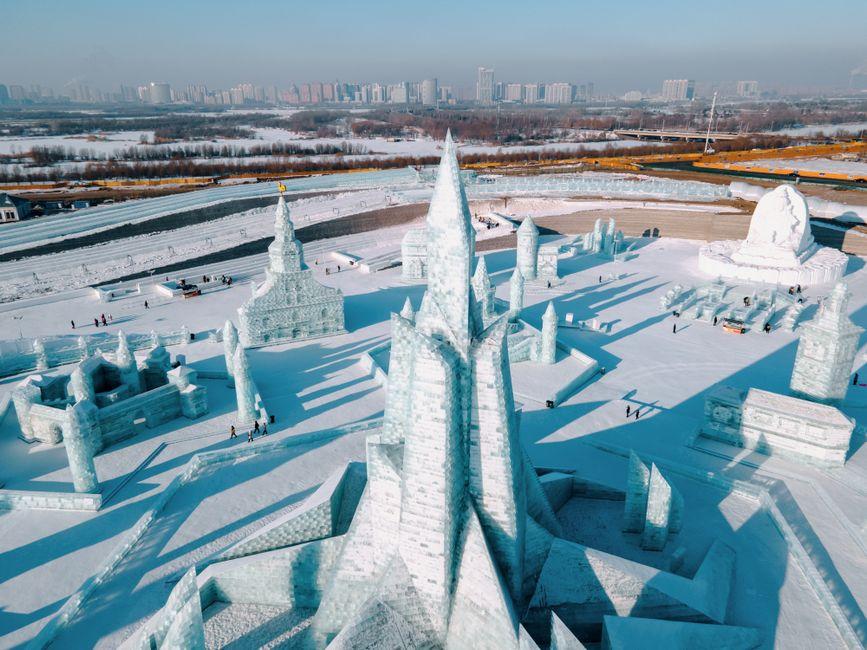
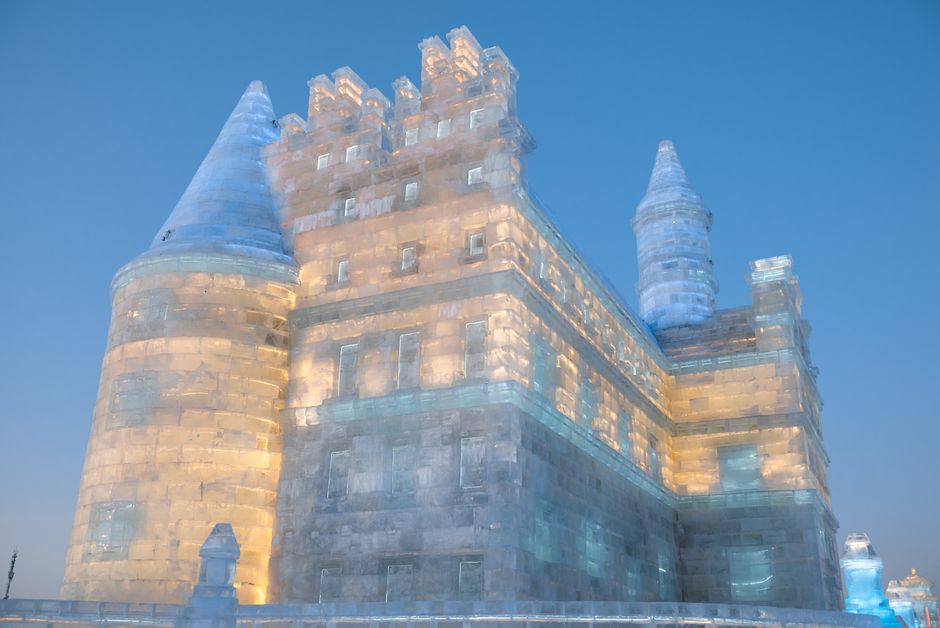
Every January and February, the city hosts the Harbin International Ice and Snow Sculpture Festival. Artists carve massive ice sculptures from frozen water harvested from the Songhua River, then illuminate them with coloured lights. Entire buildings and landscapes emerge from ice. The festival attracts hundreds of thousands of visitors annually and has become one of China's most distinctive winter events. There is nothing comparable elsewhere in the country.
Summer and autumn are pleasant enough—warm without the extreme cold—but they lack Harbin's defining character. Travellers planning a Harbin trip should think of it as a winter destination. The season aligns with northern hemisphere winter, which is the opposite of New Zealand's calendar: plan a visit during the European and North American winter months.
Russian heritage and Jewish history
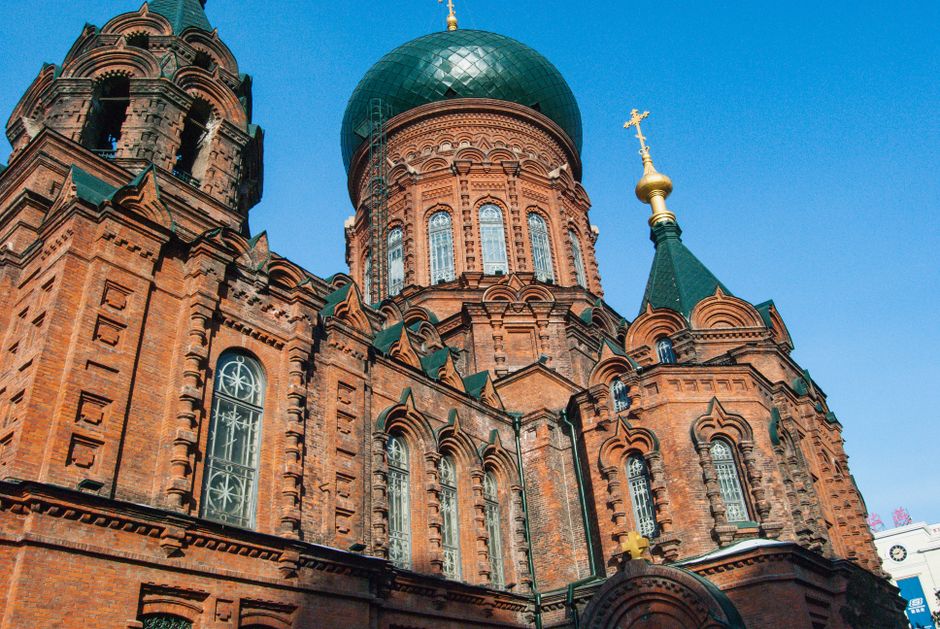
Harbin's historical centre preserves echoes of its cosmopolitan past. Russian-style buildings still stand in districts like Daoli, with their ornate facades and solid construction. Some have been converted into restaurants, cafés, museums or shops. Visitors can walk these streets and imagine the bustling international city of the 1920s and 1930s.
The city's Jewish heritage is less visible than the Russian architecture but deeply significant. Harbin once hosted the largest Jewish community in East Asia. Several sites relate to this history, including former synagogues and burial grounds. Jewish cultural organisations have worked to preserve and document this chapter of the city's past, and some heritage sites welcome visitors.
The Songhua River (松花江 Songhua Jiang) runs through the city and has always been central to Harbin's identity—it provided water for the railway, supported commerce, and now supplies the ice for winter sculptures. A riverside promenade offers views of the water and the city's skyline.
Who Harbin suits
Harbin appeals to travellers seeking something beyond the typical China itinerary. Those interested in history—particularly 20th-century international relations, Russian culture, or Jewish diaspora—will find material worth exploring. Visitors drawn to winter landscapes and ice sculpture will find the festival unforgettable. Architecture enthusiasts appreciate the blend of Russian, Chinese and international styles.
The city is less crowded than Beijing or Shanghai, and many first-time visitors to China find it less overwhelming. The Russian influence makes some aspects feel familiar to Western travellers, even as everything else remains distinctly Chinese.
Harbin suits travellers comfortable with very cold weather and those who enjoy history layered into a living city rather than preserved in museums. It is less suitable for those seeking tropical beaches, hiking mountains, or the stereotypical "ancient China" experience—though the city's modern character and size are perfectly valid reasons to visit.
Practical considerations
Harbin has an international airport with direct flights from major Asian hubs. Winter travel requires appropriate clothing: thermal layers, a heavy coat, insulated boots and gloves are essential. The ice festival period (January–February) means peak prices and crowded conditions, but it is the time to visit. Outside winter, Harbin is quieter and less expensive, though the main reason to visit—the ice and snow festival—will not be operating.
Entry requirements for China change periodically. Holders of New Zealand passports should check current visa regulations with official sources before booking. English is less widely spoken in Harbin than in Beijing or Shanghai, so travellers may find communication more challenging; joining a guided tour with an English-speaking guide reduces this friction considerably.