Hong Kong, where East meets West in a dynamic harbour city
Hong Kong blends British colonial heritage with Chinese culture, offering world-class dining, stunning harbour views, and easy access to both urban and rural experiences across its islands and peninsulas.
Worldway Travel · 16 November 2026
What Hong Kong is
Hong Kong is a Special Administrative Region of China that operates with considerable independence from the mainland. The name itself means "fragrant harbour" in Cantonese, and the city occupies a dramatic landscape of steep mountains, rocky islands and deep waterways. With a population of over 7 million people, it ranks among the world's most densely populated places, yet pockets of countryside remain surprisingly wild.
The territory consists of Hong Kong Island, the Kowloon Peninsula, the New Territories and more than 200 outlying islands. Each area has its own character and attractions, from the soaring skyscrapers and bustling markets of the urban core to the rural villages, hiking trails and secluded beaches found in the country parks that protect much of the territory's natural landscape.
A city shaped by history
Hong Kong's identity comes from two centuries of collision and blend between British and Chinese influences. Britain gained control of the territory in the 1840s following military conflict, and transformed a sparsely populated backwater into a major trading port. The British established free trade policies that allowed the city to flourish economically, and left behind colonial architecture, English language use, and Western-style legal systems.
After World War II and the communist revolution on the mainland in 1949, many Chinese people fled to Hong Kong seeking economic opportunity and freedom. The city grew rapidly, developing into one of Asia's most important financial centres and a gateway to mainland China. When Britain handed Hong Kong back to China in 1997, the agreement created a unique arrangement: Hong Kong would remain semi-autonomous under a "One Country, Two Systems" framework, retaining its own laws, currency and governance structure.
This history explains why Hong Kong feels distinctly different from mainland China. English remains widely used. The currency is the Hong Kong Dollar, separate from the Chinese Yuan. Many laws and institutions reflect British colonial traditions. For first-time visitors to China, Hong Kong offers a gentler entry point before travelling deeper into the mainland.
What to see and do
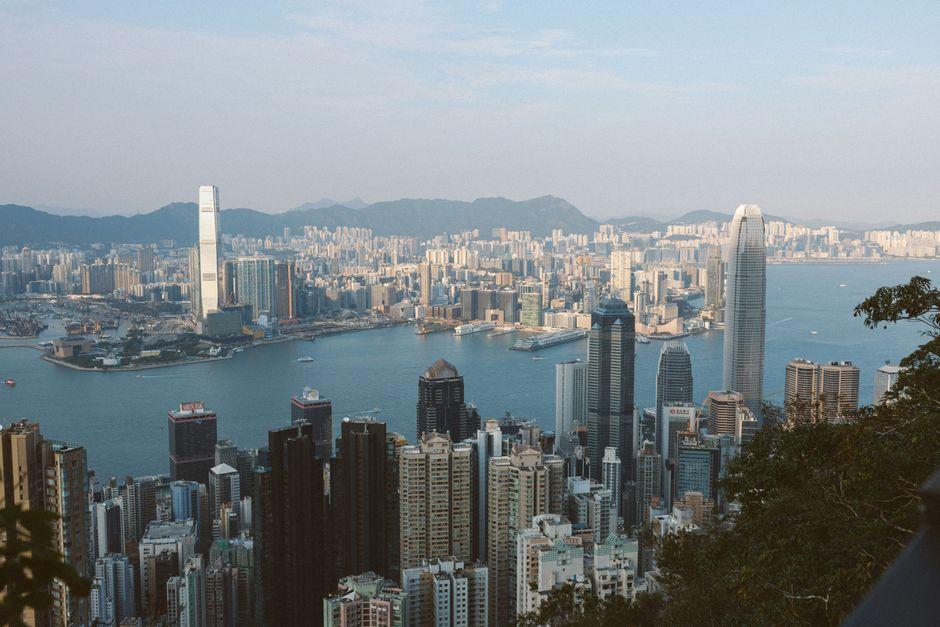
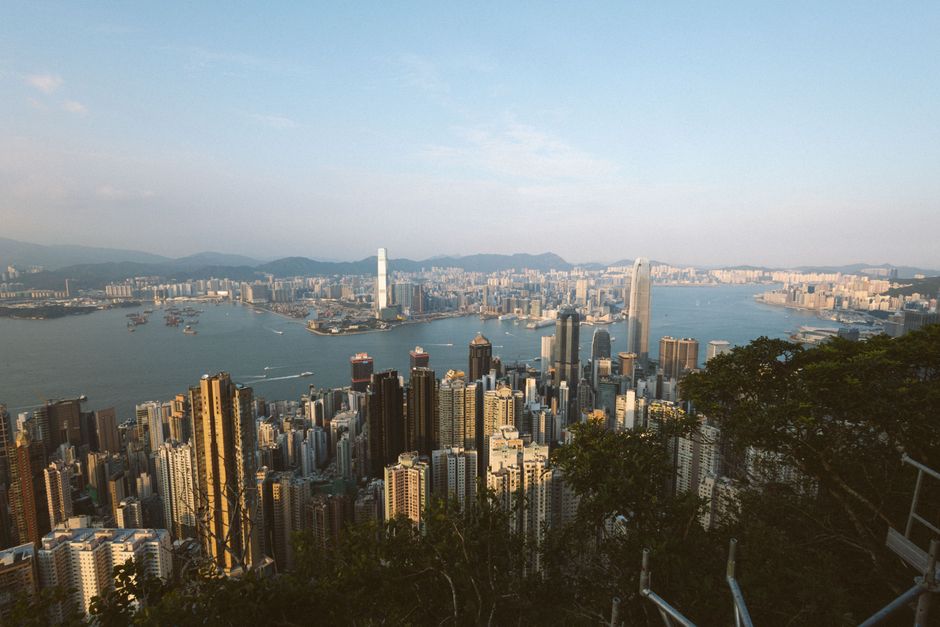
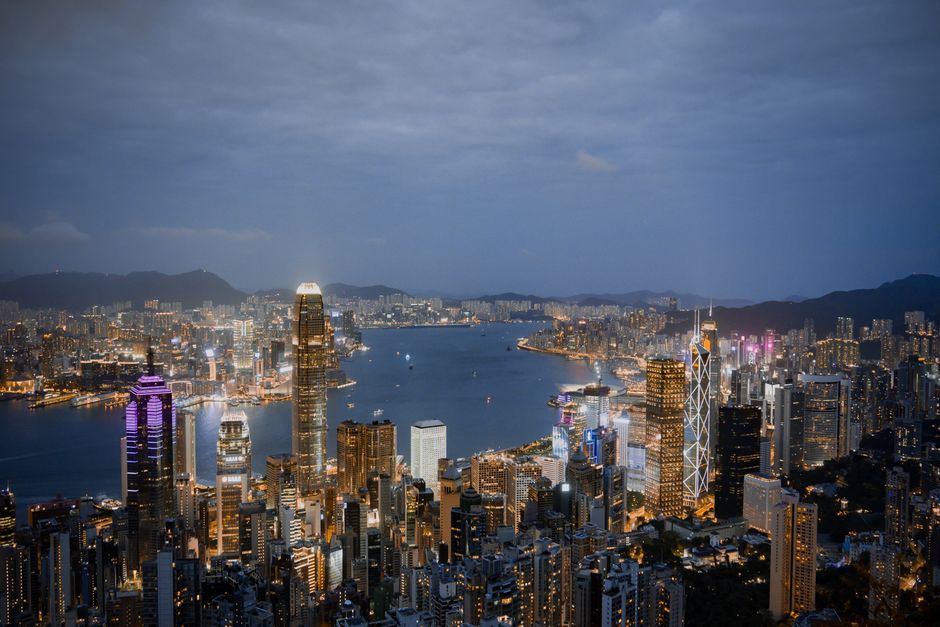
The harbour itself is Hong Kong's defining feature. The Star Ferry, which has crossed Victoria Harbour for over a century, remains one of Asia's most iconic journeys and costs very little. The view across the water toward the glittering skyline, especially at night, is unforgettable.
Hong Kong Island contains the central business district, museums, markets and restaurants of international standard. The Peak Tram climbs steeply to a vantage point above the city where views stretch across the harbour and outlying islands. Bustling street markets sell everything from antiques to clothing. Temple Street Night Market operates after dark and attracts both locals and visitors.
Kowloon, on the mainland peninsula, offers different experiences: the sprawling jade market, the atmospheric streets of Mong Kok, and the neon-lit entertainment districts. The Star Ferry terminal here is the departure point for exploring the harbour by water.
Beyond the urban areas, Hong Kong reveals itself as a place of natural beauty. Country Parks protect forested hillsides and offer hiking trails of varying difficulty. The outlying islands, accessible by ferry, range from busy tourist destinations like Lantau Island (home to the giant Tian Tan Buddha statue) to quieter islands with villages, temples and beaches where the pace of life slows considerably.
The New Territories in the north contain historic walled villages, wetlands, and the gateway to mainland China at Shenzhen. These areas feel worlds away from the skyscrapers despite being part of the same territory.
Practicalities for New Zealand visitors
Hong Kong has one of the world's best airports, located on an island and connected to the city by an efficient train. Most international flights arrive here, making it a logical starting point for a China trip. The journey from Auckland takes roughly 11 to 13 hours depending on connections.
The public transport system—trains, buses, ferries and the Metro—is clean, efficient and inexpensive to use. English signage is common in the central areas, and many people speak English, particularly in business and tourist zones. This makes Hong Kong considerably easier to navigate than most mainland Chinese cities for English-speaking visitors.
The climate is subtropical with warm summers and mild winters. Summers (May to September) bring high humidity and occasional typhoons. Autumn and winter (October to March) offer more comfortable temperatures and clearer skies, making these the best seasons for visiting.
Entry requirements for New Zealand passport holders change periodically. Current visa and entry information must be verified through official Hong Kong immigration channels before travelling. The Hong Kong Dollar is the currency, and money changers, banks and ATMs are plentiful. The cost of living is high by Asian standards, particularly for accommodation and dining in central areas, though inexpensive food can be found in local markets and casual restaurants.
Who Hong Kong suits
Hong Kong works well for first-time visitors to China or Asia. The combination of familiar infrastructure, English language availability and efficient systems reduces the friction that sometimes accompanies travel to less-developed regions. Older travellers, families, and those with less adventurous travel experience often find Hong Kong comfortable and rewarding.
The variety of experiences within a small territory appeals to different interests. Those seeking urban energy, shopping, fine dining and nightlife find all of this easily. People interested in history can explore colonial architecture and museums. Nature lovers can hike, kayak or island-hop. Business travellers have world-class facilities and networks.
Many organised tours to China include Hong Kong as an optional extension before or after mainland visits, using it as a transition point or a rest day in familiar surroundings.