Kashgar: where the Silk Road branches meet in far western China
At China's western edge, this ancient trading hub blends Uyghur culture, desert history and Central Asian influences. A stirring destination for those seeking something different.
Worldway Travel · 9 November 2026
Why Kashgar matters
Kashgar sits at a crossroads that has shaped Asia for over two thousand years. The Silk Road, the network of trade routes connecting China to Central Asia and beyond, splits into two paths across the Taklamakan Desert and rejoins here in the west. Merchants, pilgrims and armies have passed through for centuries, making it one of Asia's most historically significant cities. Today it remains a major trading centre and feels fundamentally different from eastern China—a place where the cultures and landscapes of Central Asia begin to assert themselves.
The city is also the cultural heart of Xinjiang's Uyghur people, an ethnic group with its own language, traditions and way of life. Walking through Kashgar means encountering a blend of faces, languages and customs that sets it apart from anywhere else in China. This mixture—Uyghur, Han Chinese, Kyrgyz, Tajik and Uzbek communities—gives the city a distinct character and makes it compelling for travellers interested in cultural diversity.
What to see and do
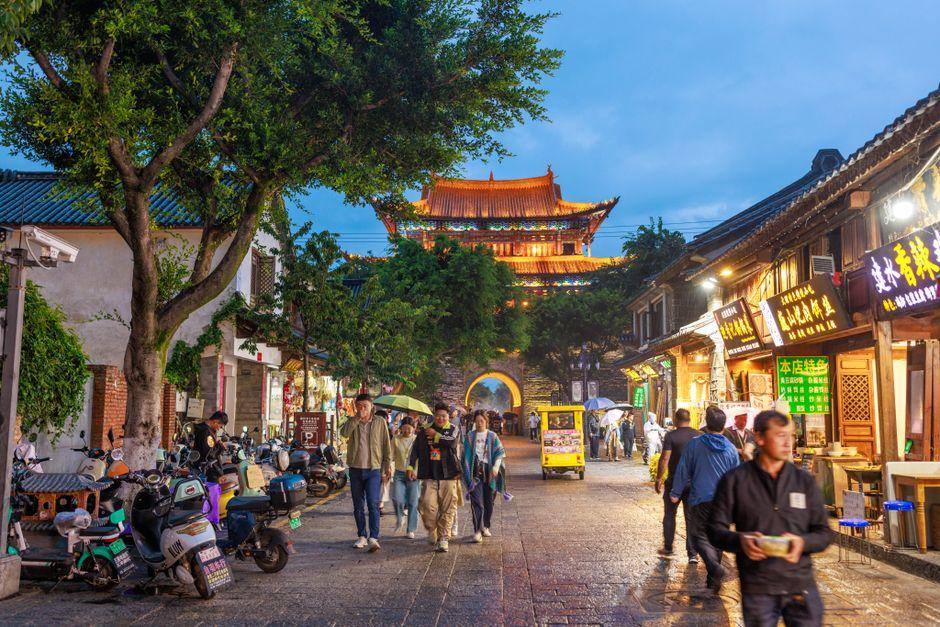
The bazaar is Kashgar's most famous draw. Said to be Asia's largest, it sprawls across much of the old city and pulses with activity, colour and energy. Traders sell everything from spices and textiles to metalwork and handicrafts, and the atmosphere—the calls of vendors, the smell of food, the press of crowds—creates an immersive experience that feels removed from modern consumer culture.
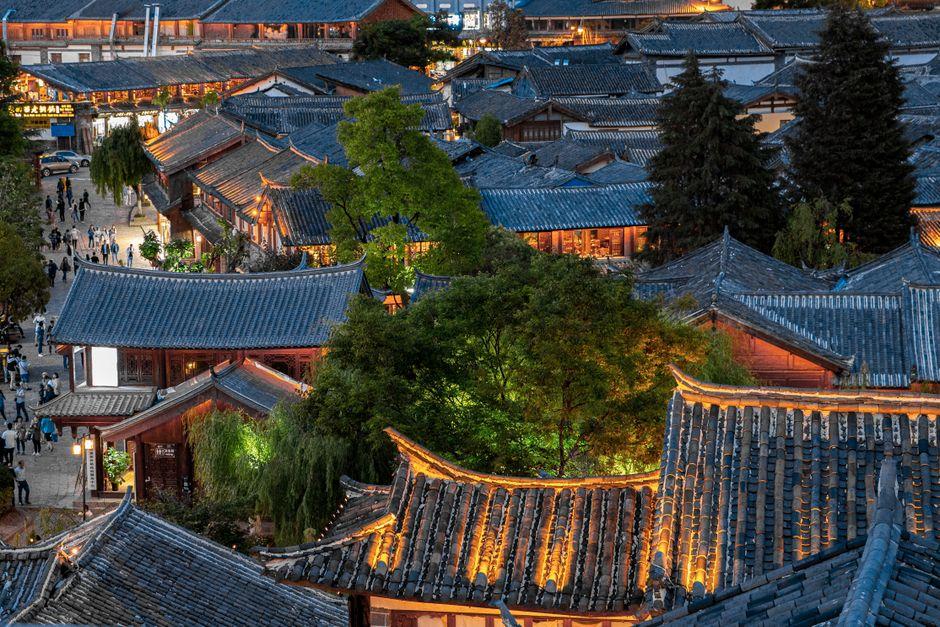
Beyond the bazaar, the city has layers of history to explore. Several important Islamic sites reflect the religious life of the Uyghur population, and the architecture of the old quarters shows how centuries of habitation and trade have shaped the urban landscape. For those willing to venture further, the surrounding region offers mountain scenery and connections to routes leading into Pakistan and Tajikistan.
Getting there
Kashgar Airport receives flights from major Chinese cities including Beijing, Shanghai, Guangzhou and Urumqi. There are also limited international flights to Islamabad in Pakistan and Khujand in Tajikistan. From the airport, shuttle buses and public transport run to the city centre at a modest cost. The journey from Auckland involves flying across multiple time zones and typically requires a connection, usually through a major hub like Beijing or Shanghai.
For those already travelling within China, trains connect Kashgar to Urumqi and other cities along the Xinjiang rail network, though journeys are long—expect 11 to 32 hours from Urumqi depending on the train type. Buses also operate on regional routes. All of these options are slow by international standards, but they are inexpensive and offer a sense of the vast distances involved in western China.
Language and communication
Uyghur is the primary language spoken in Kashgar, reflecting the local majority. Mandarin Chinese is also widely understood, especially among younger residents and in hotels, banks and tourist facilities. English speakers will find communication more challenging than in eastern China, particularly with taxi drivers and in smaller shops.
A smartphone with a translation application is genuinely helpful here. For specific destinations, ask someone to write the address in Mandarin characters so you can show it to a taxi driver. Hotel staff and local travel agencies can assist with communication and practical arrangements. Visitors who travel as part of a guided group benefit from having an English-speaking guide and the support of an organised itinerary.
Who it suits
Kashgar appeals to travellers seeking authentic cultural experiences and willing to embrace some discomfort and slower travel. It is not a relaxing resort destination or a place of smooth, streamlined tourism. Instead, it rewards curiosity, flexibility and patience. Those interested in history, trade routes, ethnic cultures and how different regions of China vary dramatically will find it rewarding.
First-time visitors to China who speak some English may find independent travel here challenging, though certainly not impossible. The city is safe and locals are generally helpful, but the language barrier and the differences in urban layout and signage require extra preparation. A guided tour takes much of the logistical burden away and provides context and insight.
Travellers arriving from New Zealand face a significant time difference and should factor in a day or two to adjust. The climate varies with season; the region experiences hot summers and cold winters, with spring and autumn offering more moderate conditions.