Lhasa: Tibet's sacred capital at high altitude
The spiritual heart of Tibet sits at 3,650 metres above sea level. Ancient temples, pilgrims, prayer wheels and Tibetan culture draw visitors to this 1,300-year-old city.
Worldway Travel · 7 November 2026
What Lhasa is and why visit
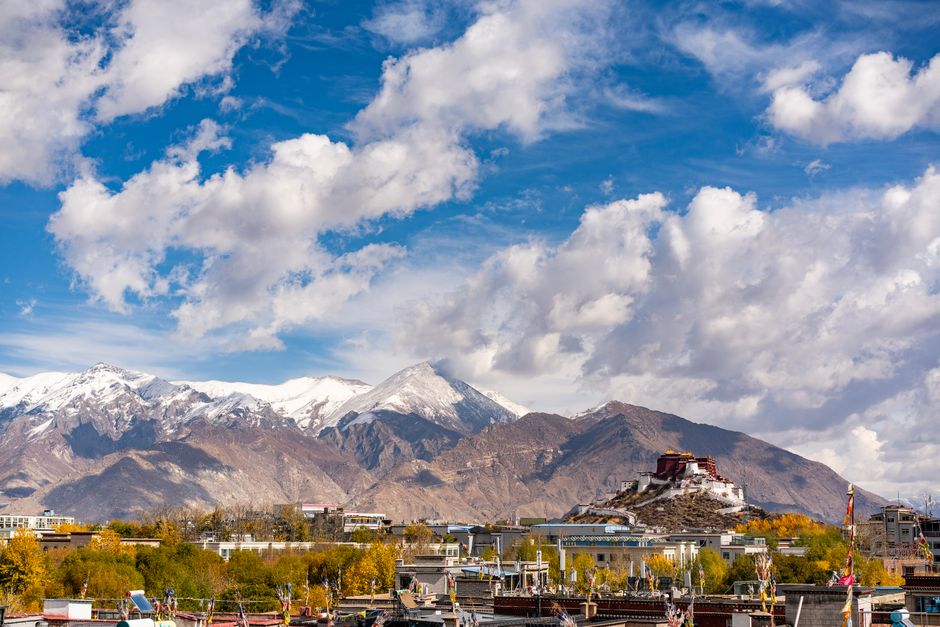
Lhasa means "Land of the Gods". The city sits in a valley on the northern slopes of the Himalayas, 3,650 metres above sea level, making it one of the world's highest cities. This altitude requires acclimatisation; most visitors spend their first day resting and moving slowly.
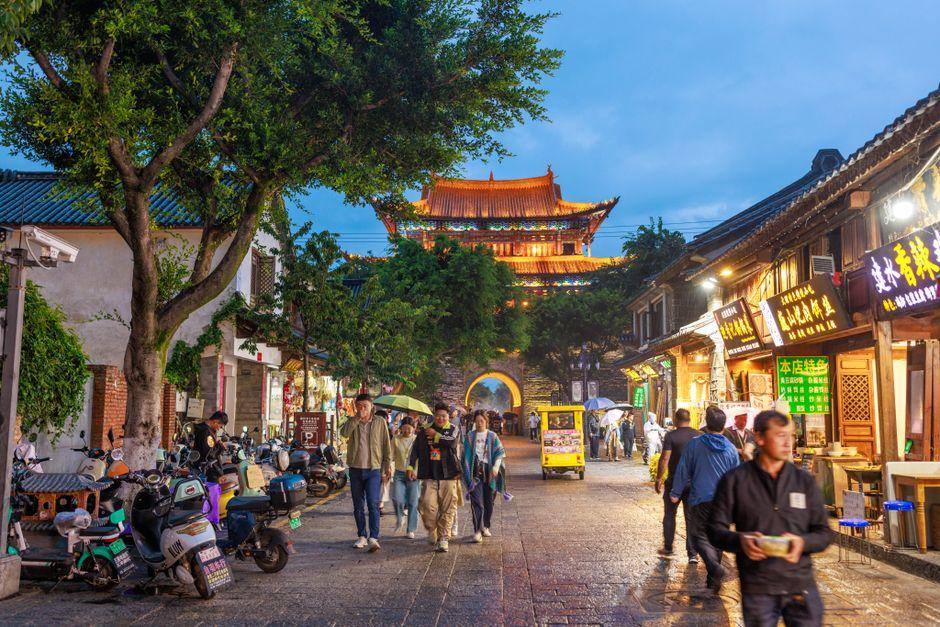
The city blends two very different worlds. The eastern old town, centred on Jokhang Temple and Barkhor Street, retains strong Tibetan character. Here you will see traditionally dressed Tibetan pilgrims walking the kora—a clockwise path around the temple—while spinning prayer wheels. The western side is modern and Han Chinese in appearance, with shopping centres, government offices and banks. This contrast is part of Lhasa's story: a place where ancient religious practice continues alongside contemporary urban life.
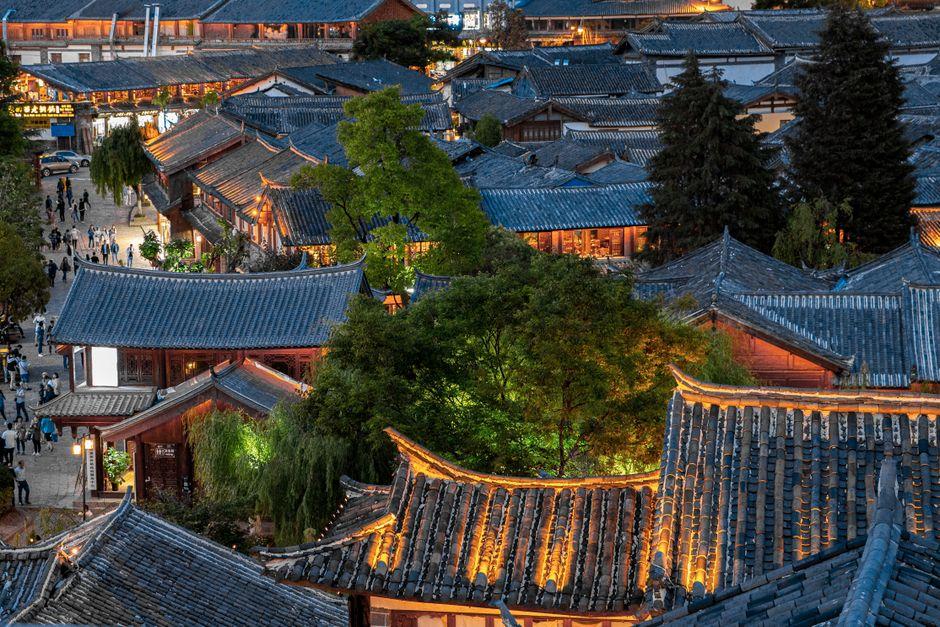
Travellers come to Lhasa to experience Tibetan Buddhism, to visit some of the region's most important temples and monasteries, and to witness pilgrimage traditions that have continued for centuries. The old town has recently been renovated and is now pleasant to walk through, with narrow streets and local shops selling crafts and everyday goods.
Getting there
Non-New Zealand nationals must hold a Chinese visa and obtain a special permit to enter Tibet. Entry rules change frequently; check with official sources before planning. A tour guide is required at all times.
Most international visitors arrive by plane at Lhasa Gonggar Airport, 61 kilometres southwest of the city. Flights connect Lhasa to Beijing, Shanghai, Chengdu, Kunming, Xining and several other Chinese cities, as well as Kathmandu in Nepal. The journey from airport to city takes 40–60 minutes on a modern highway.
Train travel is another option. The Qinghai-Tibet railway line connects Lhasa to major cities including Beijing (approximately 44 hours), Shanghai (48 hours), Chengdu (44 hours), and Guangzhou (55 hours). Trains from Xining take about 24 hours. This long journey is slow but scenic, and some travellers enjoy the experience of arriving by rail.
Intercity buses are not available to non-Chinese nationals.
Moving around Lhasa
The main sights—Potala Palace, Jokhang Temple, Barkhor Street and Ramoche Temple—are within easy walking distance of each other in the old town. Walking is the best way to explore this area and observe daily life.
Taxis are inexpensive and available throughout the city. Drivers may pick up additional passengers heading the same direction; this is normal practice and each passenger pays the same fare. Negotiate the price before getting in. Chinese ride-sharing apps (Didi) also operate in Lhasa.
Public buses are cheap and frequent, running throughout the city. Non-Chinese nationals can use them, although doing so will attract attention since foreign visitors rarely travel this way. Bus numbers are written in Arabic numerals, but destinations are in Chinese characters only, so you need to know your route in advance.
Bicycles and electric scooters are available for hire from some hotels and shops, offering a good way to explore if your tour schedule allows free time. Traffic can be unpredictable; cycling alongside local cyclists or cycle rickshaws through busy intersections is safer than crossing alone.
The main sights
Jokhang Temple is Lhasa's most sacred site, at the heart of the old town. Barkhor Street circles the temple in a clockwise direction, following a pilgrimage route that devotees have walked for centuries. This is where you will see prayer wheels spinning, pilgrims moving in traditional dress, and the everyday practice of Tibetan Buddhism. The street is also the oldest in traditional Tibetan style, lined with shops and stalls selling handicrafts, clothes, religious items and local goods. Bargaining is expected when shopping here.
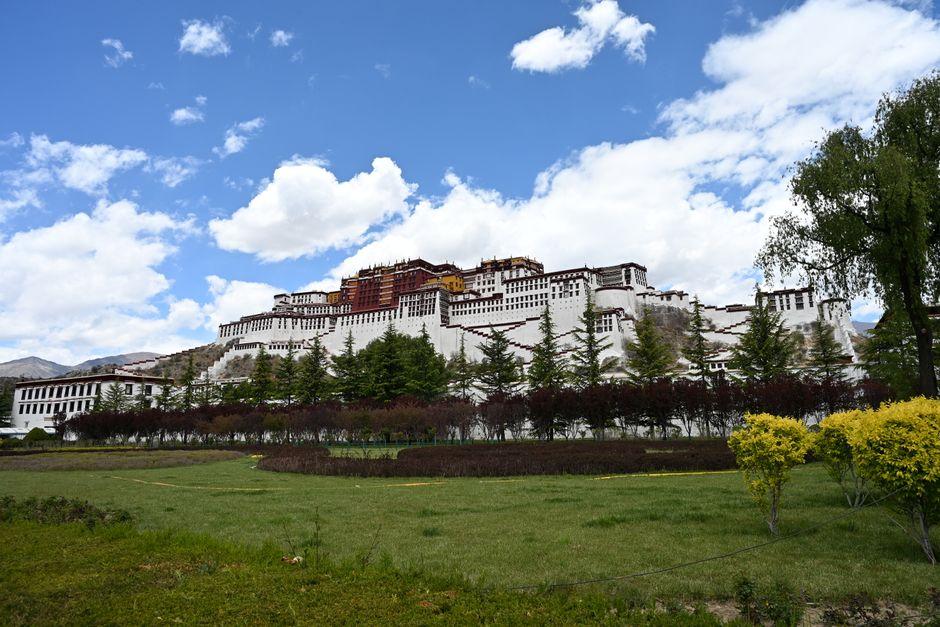
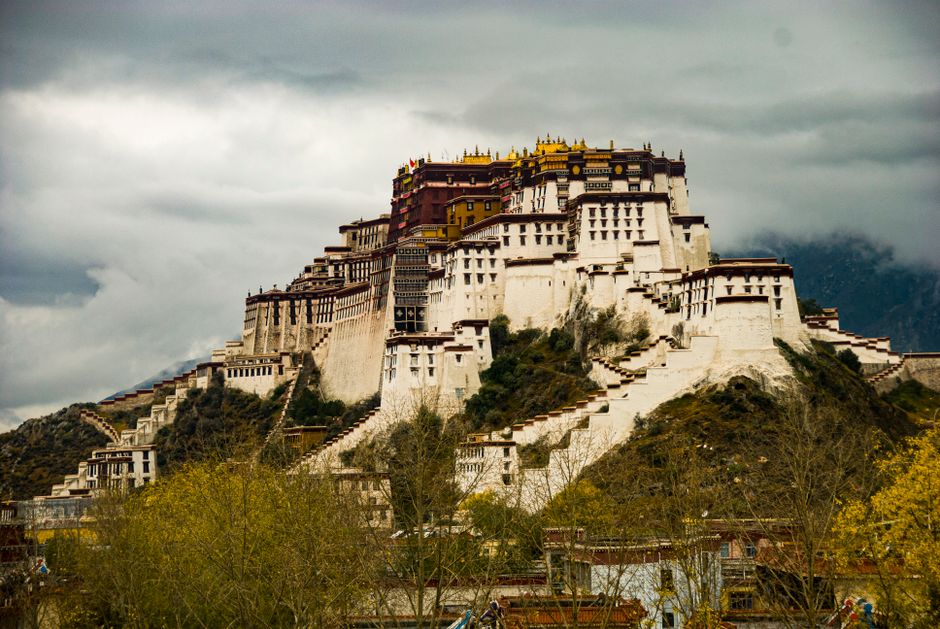
Potala Palace, the former winter residence of the Dalai Lamas, dominates the western skyline. Built on a hilltop, its white and red walls are visible from many parts of the city. This is one of Tibet's most iconic structures.
Drepung and Sera are major monasteries on the outskirts of Lhasa. Both are active centres of Buddhist study and practice, with monks in residence. Minibuses and public buses serve these sites.
The Tibet Museum holds collections relating to the region's history, culture and religion.
Norbulingka, the summer palace of the Dalai Lamas, is another significant site accessible by minibus or public transport.
Who Lhasa suits
Lhasa appeals to travellers interested in Buddhism, Himalayan culture and spiritual pilgrimage. The active worship and pilgrimage practices make it quite different from temples that function mainly as tourist attractions.
The high altitude means Lhasa suits people who are reasonably fit and can manage the adjustment to 3,650 metres. Older travellers should allow extra time to acclimatise and discuss altitude with their doctor before travelling.
The requirement for a tour guide and special permit means independent travel is not possible. Joining a small-group tour with an English-speaking guide is the practical way for most New Zealand visitors to visit Lhasa.
Visiting during the warmer months (May to September) is more comfortable, though Lhasa can be visited year-round. Winters are cold and dry; the monsoon brings rain in summer.