Luoyang: Nine dynasties' ancient capital in central China
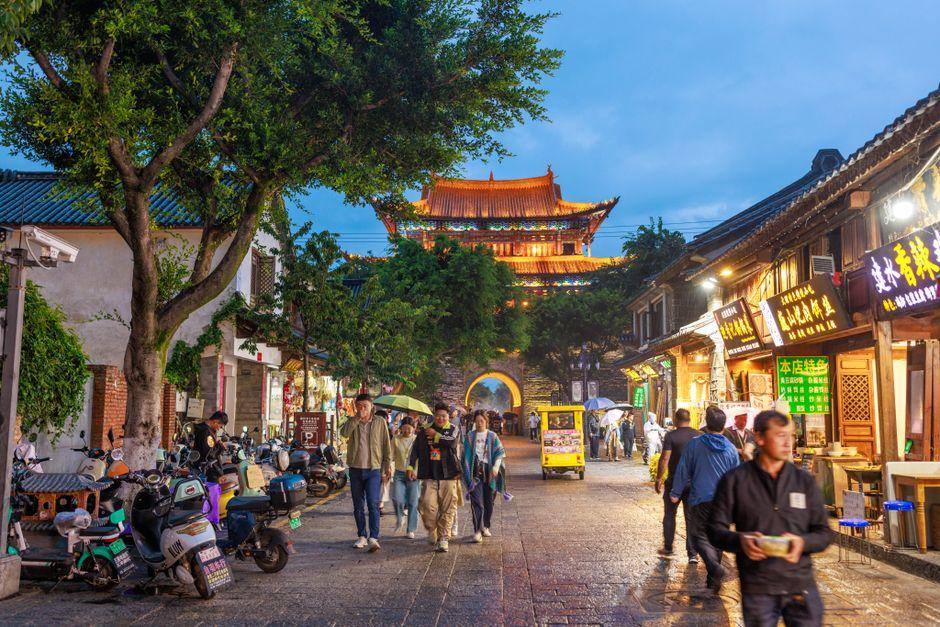
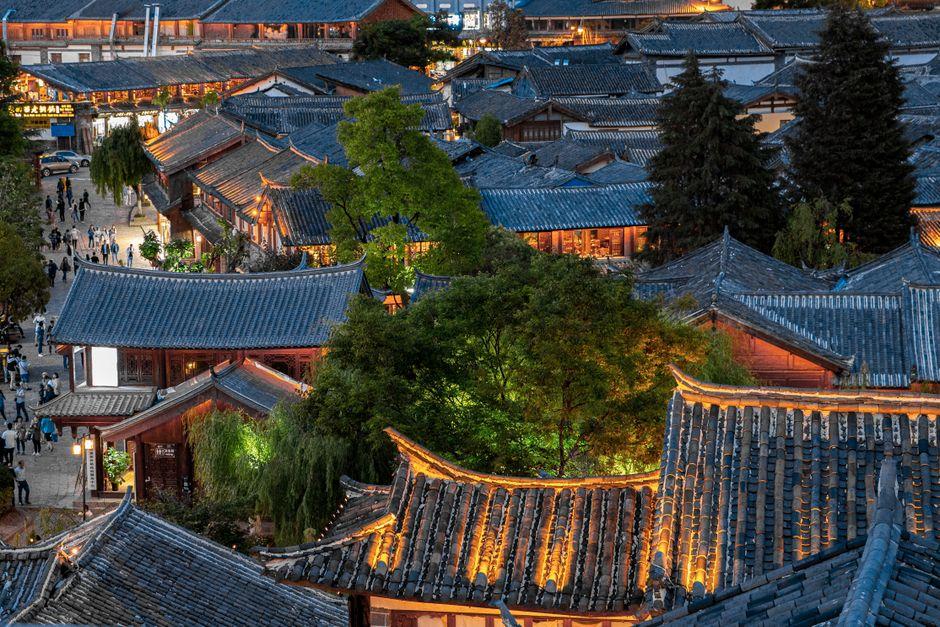
This central Chinese city was capital for longer than any other place in China, with Buddhist temples and cave art from its 3,000 years of history within easy reach of the city centre.
Worldway Travel · 12 November 2026
Why Luoyang matters to history
Luoyang holds a unique place in Chinese civilisation. Nine ruling dynasties made it their capital over more than 1,000 years—longer than any other Chinese city claimed this status. The city rose to prominence during the Zhou dynasty in the 8th century BCE and continued to grow through the Han, Wei, Northern Wei, and Tang periods. At its height during the Tang dynasty, Luoyang was a sprawling centre of power, culture, and commerce, with grand temples and bustling markets. The city's strategic importance came partly from its location on the Luo River and its role as the eastern terminus of the Silk Road, connecting it to trade networks across Asia.
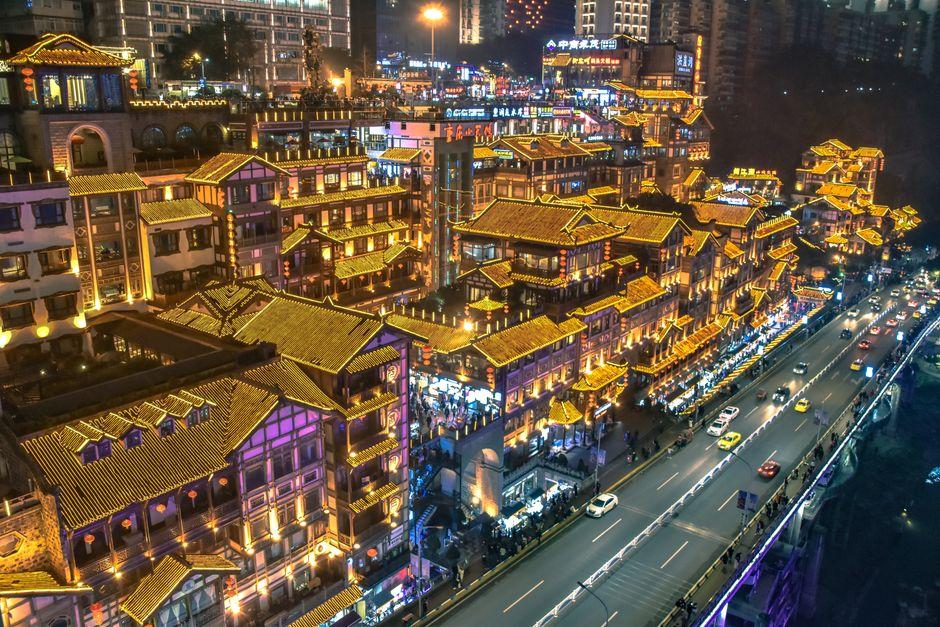
Today, Luoyang is a modern city of over 7 million people, but its ancient character remains visible in the major historical sites scattered through and around it. For travellers interested in understanding Chinese history and Buddhist art, few places offer as much in such accessible proximity.
The main sights near the city
The Longmen Grottoes are the primary draw for most visitors. These extensive cave temples, built starting in the 5th century by the Northern Wei dynasty, contain thousands of Buddha statues and intricate stone reliefs carved into the cliffs. The artistry ranges from monumental figures to delicate detail work, reflecting centuries of religious devotion and technical skill. A direct shuttle bus from Luoyang Longmen railway station makes reaching the site straightforward.
The White Horse Temple, situated about 14 kilometres east of the city centre, is another essential stop. Founded in 68 CE, it claims to be one of China's oldest Buddhist temples and remains an active place of worship. The temple's name refers to white horses that, according to tradition, carried Buddhist scriptures from India to China. Walking through its courtyards gives a sense of how Chinese Buddhism developed and took root.
The Guanlin Temple lies in the southern part of the city and holds significance in Chinese folk religion and martial traditions. These three sites represent different layers of Luoyang's spiritual and cultural legacy.
Getting there and moving around
Luoyang sits in Henan province in central China, making it accessible from several directions. High-speed trains connect the city efficiently to Beijing (around 3 hours), Xi'an (1.5 to 2 hours), and Shanghai (5 to 6 hours). The Luoyang Longmen high-speed railway station, served by metro line 2, is the main hub for these connections. Regular trains are also available from the older Luoyang Station if travellers prefer overnight journeys or have less flexible schedules.
Luoyang Beijiao Airport offers flights to major cities including Beijing, Shanghai and Shenzhen, though the airport at Zhengzhou (about 40 minutes away by high-speed train) provides more flight options. Buses operate from the city to surrounding regions and to other Chinese cities, though trains tend to be more comfortable for longer journeys.
Local transport within Luoyang includes buses and metro lines, making it easy to reach the city centre and main sights without difficulty.
The best seasons to visit
Luoyang's climate follows a warm temperate pattern with four distinct seasons. Autumn brings mild temperatures and sunny days, making it the most pleasant time for sightseeing. Spring also offers comfortable weather, though it can be variable. Summers are hot and rainy, which may challenge visitors unaccustomed to high humidity and heat. Winters are dry and cold, sometimes with snow, but not usually severe enough to prevent travel.
New Zealand visitors should note that Luoyang's seasons run opposite to the southern hemisphere; spring and autumn in the northern hemisphere (roughly March to May and September to November) align with autumn and spring in New Zealand.
Who Luoyang suits
Travellers with an interest in ancient history and Buddhist art will find Luoyang deeply rewarding. The sites require no specialist knowledge to appreciate—the scale and artistry of the grottoes speaks immediately—but those with some background in Chinese dynasties or Buddhism will gain additional richness from a visit. The concentration of major sights within a small area suits visitors who prefer to explore thoroughly rather than rush between distant locations.
Luoyang works well as part of a longer journey through central China, combining well with visits to Xi'an or other historical cities. Guided tours make navigating the history accessible and allow visitors to understand the context and significance of what they are seeing. Travellers aged 50 and over, particularly those making their first trip to China, often find Luoyang's blend of manageable size, profound history, and accessible transport especially appealing.
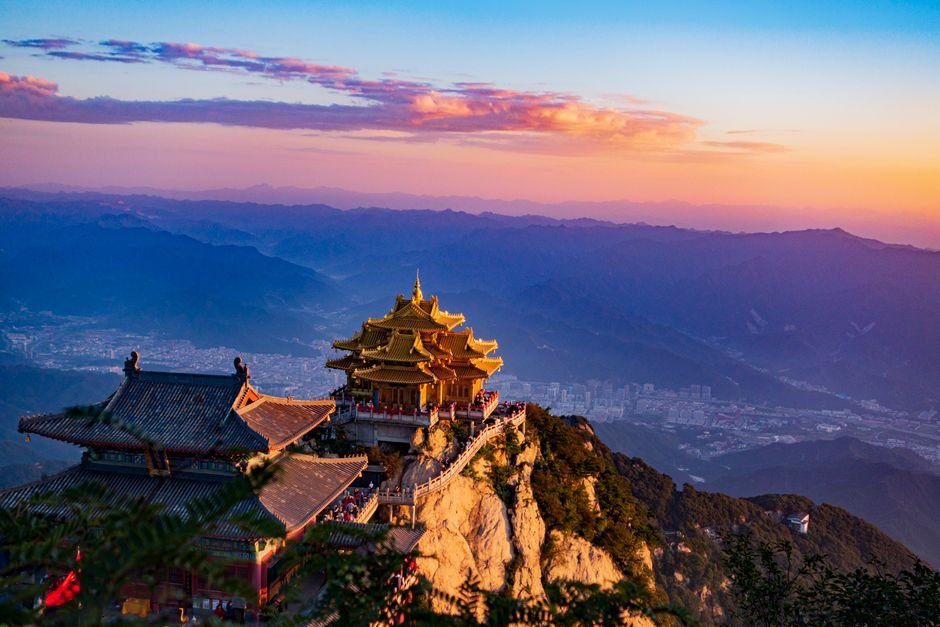
Note that certain rural counties within Luoyang prefecture remain off-limits to foreign visitors, including areas around Laojun Mountain and Baiyun Mountain. Main tourist sites within the city and immediate surroundings are open to all visitors.