Macau: Portuguese heritage and modern casino resort
Macau blends 400 years of Portuguese colonial architecture with today's world-leading casinos, plus beaches, food and close ties to Hong Kong and southern China.
Worldway Travel · 16 November 2026
What is Macau?
Macau is a former Portuguese colony turned Chinese territory with a peculiar political status. Since 1999 it has been a Special Administrative Region of China—the same arrangement Hong Kong has—which means it operates under "one country, two systems". Although part of China, it has its own border control, currency, legal system and postal service. For most visitors, Macau feels like stepping into a different country rather than visiting mainland China. The territory occupies a small peninsula and two islands (Taipa and Coloane) connected by bridges and causeway, with a combined population of around 667,000 in an area half the size of Manhattan Island.
Why visit Macau
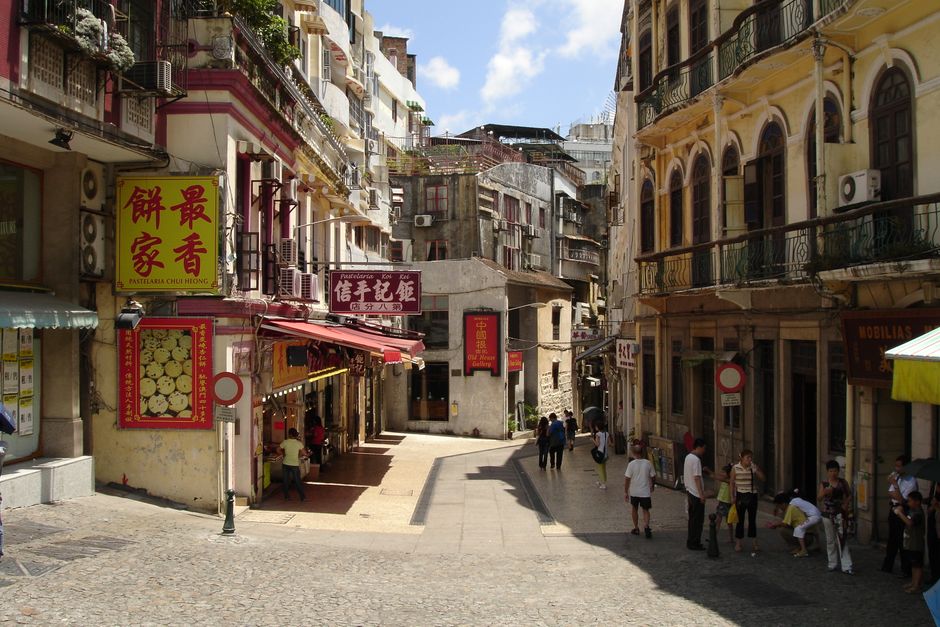
Macau stands out for several reasons. First, it is the only place in China where casinos operate legally, which has made it an international gambling destination of enormous scale—surpassing Las Vegas in gaming revenue since around 2008. Second, it retains far more visible European colonial architecture than neighbouring Hong Kong, with cobblestone streets, Mediterranean-style buildings and a distinct cultural mix. Third, it offers the practical advantage of being a short journey from Hong Kong by ferry or bridge, making it straightforward to combine with other southern China travel. Fourth, despite its intense modern development, it remains accessible and compact; most sights are within reach on foot or by public transport. The subtropical climate is another draw, with mild winters and warm summers, though occasional cold fronts can bring sudden temperature drops.
The main areas and attractions
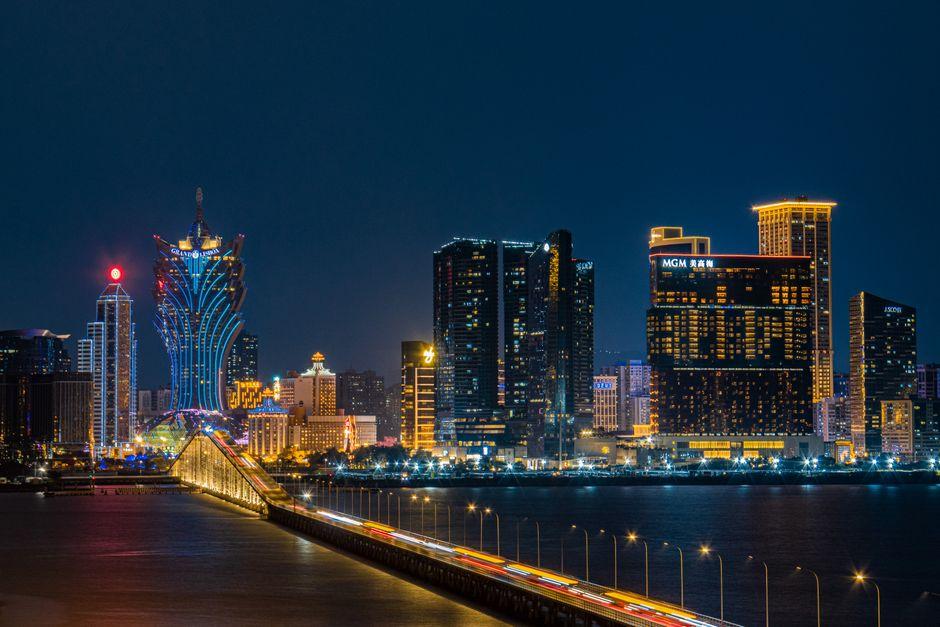
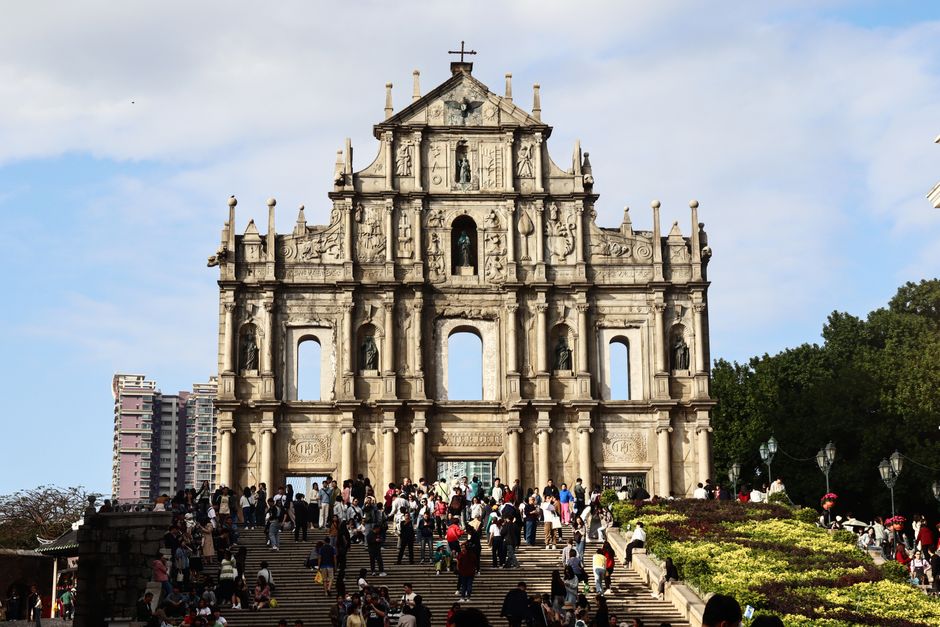
The old peninsula city centre contains most of the colonial heritage, with UNESCO World Heritage sites including 17th-century churches, temples, forts and historic neighbourhoods. Coloane island has retained more of a village character, with seafront promenades and older architecture. Taipa island has developed into a residential and commercial hub. Between Taipa and Coloane lies the Cotai Strip, a newer zone built on reclaimed land that is home to massive resort casinos and hotels—this is where most of the gambling activity and high-end dining concentrate. Beaches exist on Taipa and Coloane for those seeking sun and swimming.
Beyond the casinos themselves, attractions centre on Portuguese-influenced cuisine (a unique blend of Portuguese, Chinese and African flavours), temples and churches reflecting centuries of coexistence between faiths, museums covering local history and culture, and waterfront walks. The territory's small size means most visitors can see a cross-section of old and new Macau in just two or three days.
Who it suits
Macau works well for several types of traveller. Those interested in casino gambling and high-end resort experiences will find world-class facilities. History enthusiasts appreciate the layered Portuguese and Chinese heritage visible in the architecture and street life. Foodies come for the Macanese cuisine, which is distinct from standard Chinese cooking and reflects centuries of cultural exchange. Families can enjoy beaches, parks and family-friendly attractions beyond the gaming floors. For New Zealand travellers planning visits to the region, Macau slots neatly into an itinerary combining Hong Kong (just an hour away by ferry), Guangzhou or other Pearl River Delta cities.
Practical considerations
Macau uses its own currency (the pataca), though Hong Kong dollars and Chinese yuan are also accepted in many places. Entry requirements depend on your New Zealand passport and your travel plans—rules change regularly and must be checked with official sources. The territory's subtropical location means hot, humid summers (December to February in the New Zealand winter) and mild winters (June to August in the New Zealand summer). Air conditioning is ubiquitous. The densely packed peninsula makes getting around relatively simple; taxis, minibuses and pedestrian routes connect the main areas. Because Macau is semi-autonomous, crossing the border to mainland China (particularly to Zhuhai) technically involves immigration procedures, even though the crossing is straightforward for most tourists.
One practical note: Macau's reputation centres on casinos, but that is only one layer. The colonial architecture, food scene and cultural mix make it worth visiting even for those with no interest in gambling. Many visitors find the blend of Mediterranean atmosphere with Asian surroundings genuinely unusual, and the territory's compact size means it rarely feels overwhelming.