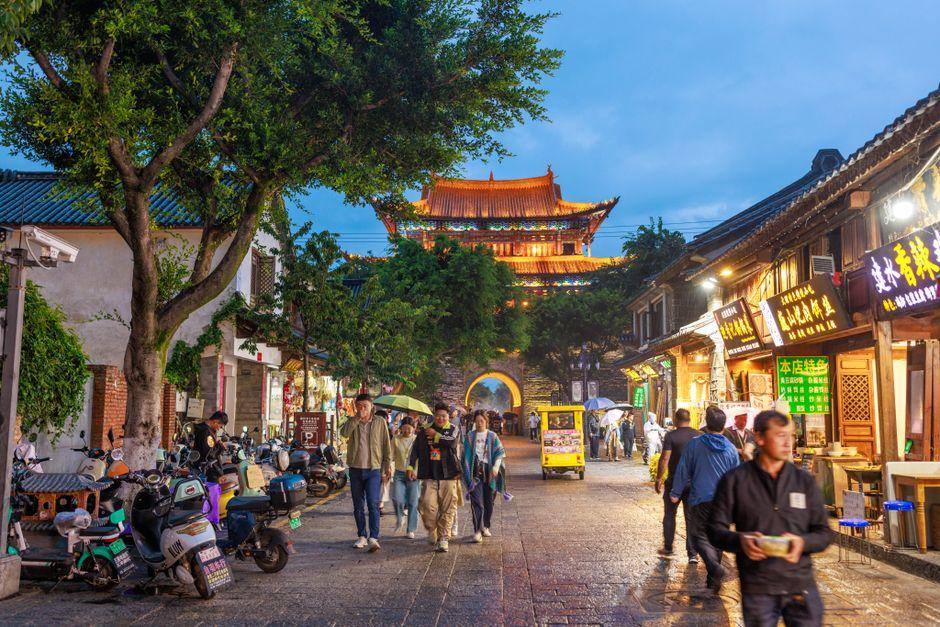
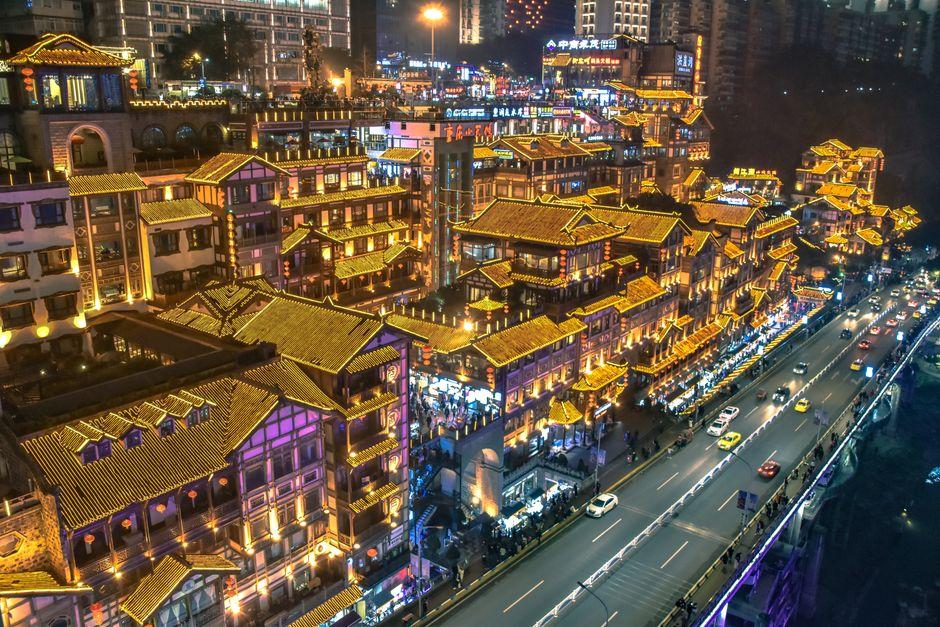
Pingyao: exploring China's best-preserved walled ancient city
Walk through Ming and Qing dynasty streets in this UNESCO-listed walled city, still largely inhabited and far less crowded than other Chinese tourist sites.
Worldway Travel · 11 November 2026
What makes Pingyao special
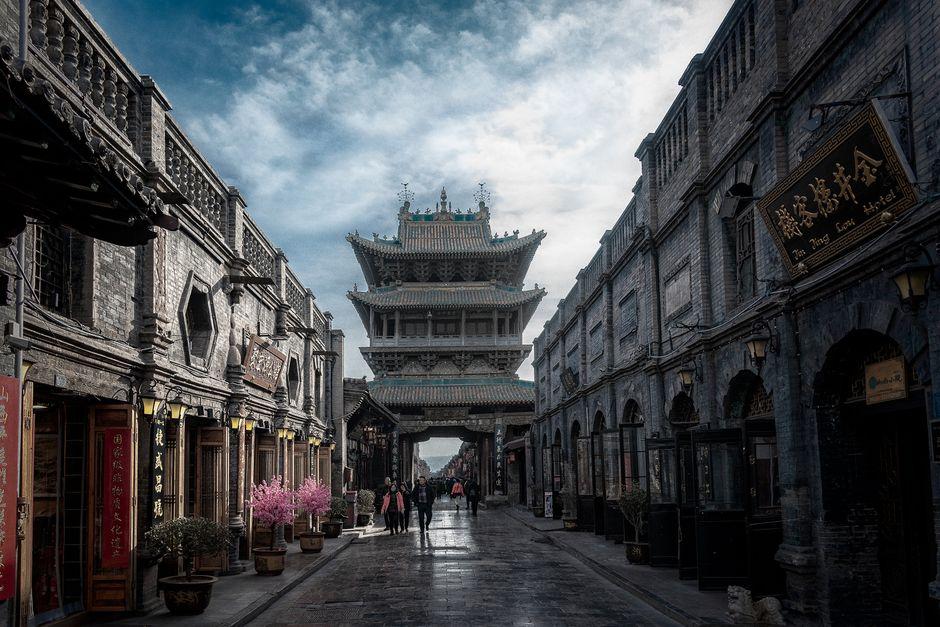
Pingyao's old walled city stands apart as one of the world's finest examples of a preserved ancient settlement. Nearly every building within its walls dates from the Ming dynasty (1368–1644) or the Qing dynasty (1644–1911), creating an almost complete snapshot of how a prosperous Chinese merchant city looked centuries ago. The streets are largely free from motor vehicles, cobbled throughout, and arranged according to ancient town planning. If you've seen period dramas about imperial China, Pingyao gives you the chance to walk through a setting that looks genuinely like the real thing.
What distinguishes Pingyao from other walled cities in China is both its scale and its relative obscurity to international visitors. At 2.6 square kilometres, it's small enough to explore thoroughly on foot in a day or two, yet large enough to get genuinely lost in the winding streets. Most visitors on any given day are mainland Chinese tourists rather than overseas travellers, which means the atmosphere remains more authentic than you'll find in heavily commercialised heritage sites elsewhere.
Getting there and around
Pingyao itself has no airport. The nearest major city is Taiyuan, about 90 kilometres away, which serves as the main gateway. Taiyuan airport receives flights from Beijing, Shanghai and other major Chinese cities. From Taiyuan, trains run directly to Pingyao Gucheng railway station; the journey takes around 45 minutes. Trains from Beijing take approximately four to five hours via Taiyuan, and services also run from Xi'an (about three hours).
Once you arrive at Pingyao Gucheng station, a short bus ride or taxi journey gets you into the old walled city. Many hotels and guesthouses offer pick-up services, which is worth arranging in advance.
The walled city itself is best explored on foot. The entire old town spans only about 1.6 kilometres in each direction, making it very walkable. Most streets are closed to regular traffic, though some visitors hire golf carts or bicycles if they prefer not to walk. Maps are available for purchase, though the layout can seem confusing on a first visit—several interior buildings resemble sections of the outer walls, so it's easy to misidentify your location initially.
The main sights
The city walls themselves are the primary attraction. Built with brick and stone starting in 1370, they stand over 600 years old and stretch for 6 kilometres around the perimeter. The walls are said to be shaped like a tortoise, a symbol of longevity in Chinese tradition. Seventy-two watchtowers punctuate the fortifications, and you can walk along the top of the ramparts, which feature 3000 crenellations—ancient defensive openings. A moat once circled the entire city, though it now depends on rainfall.
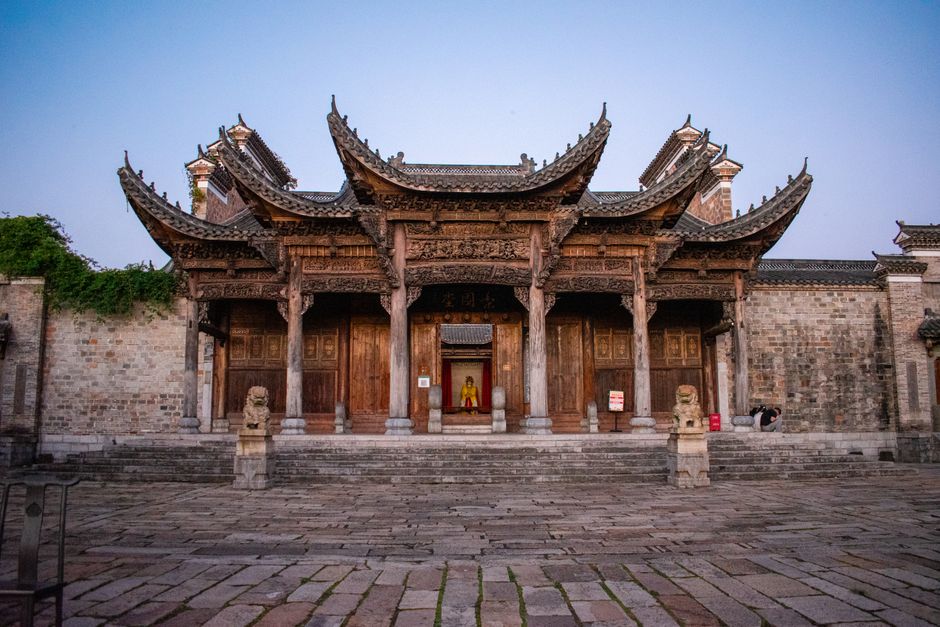
Inside the walls, around 20 specially designated attractions require a single combined ticket, valid for three days. These include temples, residences, shops and administrative buildings, all offering glimpses into daily life during the Ming and Qing periods.
The Rishengchang Exchange House holds particular historical importance. During the Ming and Qing dynasties, Shanxi merchants operated extensive trade networks across China and beyond. Money transfer between cities was dangerous, so in 1823 the first piaohao (exchange house or remittance shop) opened in Pingyao. It functioned like a medieval bank, providing remittance services, accepting deposits and making loans. The business was remarkably successful—over 50 per cent of China's piaohao were headquartered within Pingyao's walls at their height. The original Rishengchang building, built around multiple courtyards, has been restored as a museum showing how this early banking system operated.
Who should visit
Pingyao suits travellers who enjoy walking through historic streetscapes and appreciate architecture and town planning without the intensity of a major city. It works well as part of a broader itinerary through central China, sitting between the capital Beijing and the ancient city of Xi'an. A night or two is enough to see the main sights, though a longer stay lets you experience the city's quieter moments and explore at a more leisurely pace.
The relatively modest number of international visitors means the city feels less overtouristed than comparable heritage sites elsewhere in China. That said, during Chinese holiday periods and summer months, domestic tourism peaks noticeably.

Practical information
Entry to the walled city itself is free, though access to the designated museums and temples requires a combined ticket. These tickets last for three days, so you can spread your visits if you're staying longer.
Pingyao is compact and easy to navigate once you orient yourself. Guesthouses, hotels and restaurants are scattered throughout the old town, with prices generally reasonable by tourist standards. The atmosphere shifts noticeably at dusk when most day-trippers leave; staying overnight lets you experience the city in a quieter state.
Weather varies with the seasons. Winters are cold, while summers can be hot. Spring and autumn offer mild conditions and are generally the most pleasant times to visit. Entry requirements and visa regulations for New Zealand passport holders change periodically and should be checked with official sources before booking your trip.