Qingdao: a coastal city with German colonial heritage
Qingdao blends European architecture with modern Chinese development along the Yellow Sea. Known for its beaches, beer heritage and orderly atmosphere, it offers a refreshing contrast to typical crowded Chinese cities.
Worldway Travel · 17 November 2026
Why visit Qingdao
Qingdao sits on China's eastern coast in Shandong Province, home to around 7.2 million people. The city has earned a reputation as one of the cleanest and most pleasant urban destinations in China, partly because it feels fundamentally different from the congested, hectic cities many visitors expect. The atmosphere is relatively calm and orderly—even cycling is organised according to formal rules. If you are drawn to Chinese culture but wary of overwhelming crowds and chaotic markets, Qingdao provides a gentler introduction.
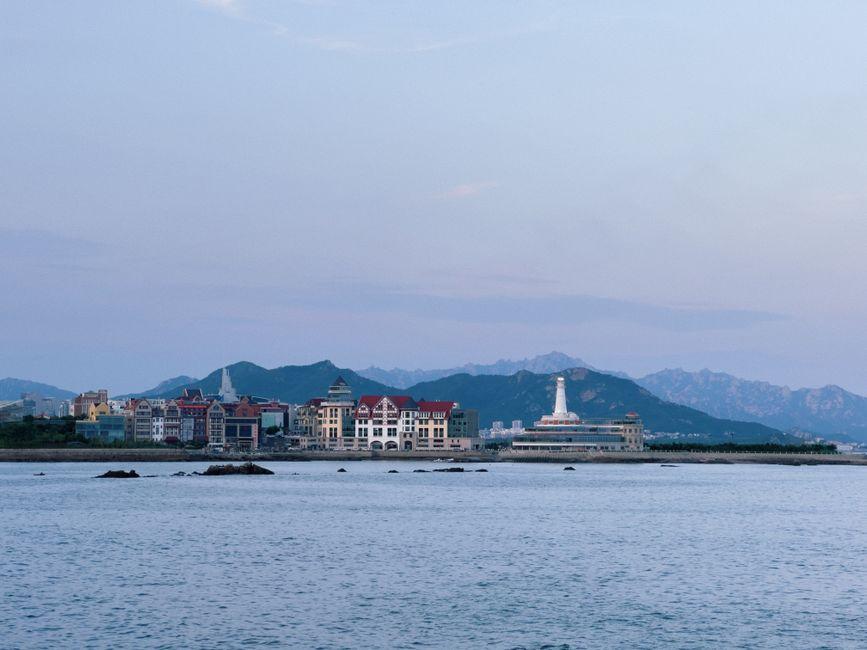
The defining characteristic of Qingdao is its German colonial past. When you walk through the older districts, the architecture tells the story: solid stone buildings with European proportions, red-tiled roofs and tree-lined streets that would not be out of place in Bavaria. This legacy shapes how the city looks and feels today in ways that set it apart from other Chinese cities.
Colonial history and architecture
Qingdao's story as a modern city begins in 1897, when German troops landed in the bay and established a 99-year concession. What was then a small town of roughly 1,000 people grew rapidly as the colonial administration developed infrastructure, buildings and commerce. The Germans left an unmistakable architectural imprint that survives in the city's heritage center and the restored train station, which now serves as the terminus for the high-speed rail line to Beijing.
Walking through these older neighbourhoods, visitors encounter German-style buildings that have been preserved as heritage monuments. The influence extends to everyday life: bratwurst is sold on streets, and the famous Tsingtao Brewery—now a museum—was founded by German settlers in 1903 who wanted beer from home. The brewery eventually became one of China's most recognised beer brands and the museum documents the history of beer production in China.
The city experienced further foreign occupation during the 20th century. Japan held Qingdao during World War I (1914–1922) and again during World War II (1938–1945). Between 1945 and 1949, the American 7th Fleet was based here. Despite this complex history, Qingdao retains a welcoming atmosphere and the colonial architecture remains its most distinctive feature.
Beaches and outdoor areas
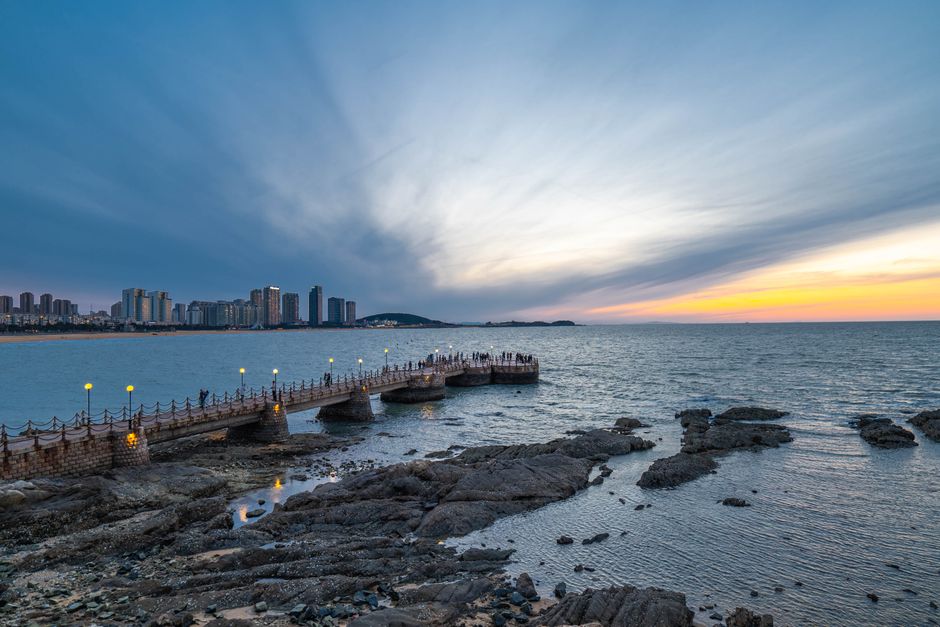
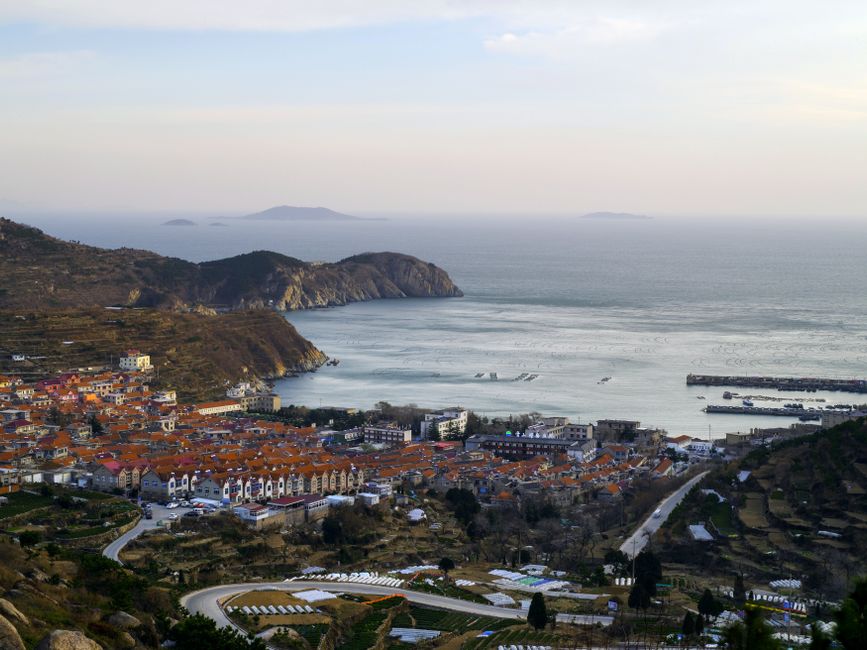
Qingdao's location on Jiaozhou Bay makes beaches central to the city's appeal. Several districts contain coastal areas worth exploring. Laoshan District to the southeast offers some of the city's best beaches alongside Laoshan Mountain, which attracts visitors interested in hiking and scenery. Various suburban and rural areas north and south of the downtown core also feature beaches and coastal access.
The city hosted sailing events during the 2008 Summer Olympics, an experience that brought new infrastructure and international facilities to the waterfront. The Olympic Sailing Center remains open to visitors and continues to host events, providing a focal point for water sports and recreation.
The orderly, clean character of Qingdao extends to its public spaces. Parks and waterfront facilities have been developed extensively, particularly in the newer eastern half of the city, which has undergone substantial construction since the 1990s.
Climate and best times to visit
Qingdao's seasons differ markedly from New Zealand's. The city experiences four distinct seasons, though the best time for most visitors is September and October, when temperatures are mild and the summer crowds have dispersed. Spring (April–May) is also pleasant, though wind and dust can be factors. Winter (December–February) brings cold, dry weather with occasional snow patches that rarely last more than a few days. Hotel rates drop considerably during winter, making it economical for those comfortable with cooler conditions.
Summer (June–August) becomes humid near the coast and attracts larger crowds, especially at beaches. Rainfall increases during this period and temperatures can climb significantly. Late summer is notably hotter than other parts of northern China at the same time.
Getting around and practical considerations
The city stretches across three main districts in its core and several suburban areas. Shinan District forms the downtown heart, running along the sea with most major hotels, attractions and beaches. Shibei District to the north contains both the oldest areas of the city and newer commercial developments. Laoshan District to the southeast is known for its mountain scenery and beaches.
Transport options include buses serving various routes throughout the city. The train station connects Qingdao to Beijing via high-speed rail. International flights arrive at the city's airport, with connections throughout China and to neighbouring countries. As a New Zealand passport holder, check current visa requirements with the Chinese embassy in Wellington before travelling, as entry regulations change.
Who suits Qingdao
Qingdao appeals to travellers seeking Chinese culture and history without the intensity of larger metropolises. Those interested in European colonial heritage will find it particularly rewarding. The city suits visitors who value cleanliness, orderly public spaces and slower-paced exploration. Beach lovers and those interested in outdoor activities find plenty to do along the coast. It is also an accessible starting point for travellers experiencing China for the first time, offering a less overwhelming introduction than many other major Chinese cities.