The Silk Road: trading routes that shaped Asia and beyond
Follow the ancient pathways where merchants, ideas and empires crossed Asia for over 2000 years. Discover the cities, history and landscapes of this legendary network.
Worldway Travel · 8 November 2026
What the Silk Road really was
The Silk Road was not a single highway but a vast network of trade routes connecting China to Europe and the Mediterranean. For more than two millennia, merchants, pilgrims, soldiers and adventurers travelled these pathways, carrying goods, technologies, religions and ideas across some of the world's most challenging terrain. The name comes from Chinese silk, the luxury fabric that Roman emperors prized above gold, but the routes carried far more than fabric—jade, spices, glassware, porcelain, metals, textiles and countless other treasures moved in both directions.
UNESCO recognises several Silk Road sections as World Heritage sites. The Chang'an-Tianshan Corridor stretches 5000 kilometres from Xi'an in central China westward to the Tianshan mountains on the border between China and Central Asia. Another protected section runs through Tajikistan, Uzbekistan and Turkmenistan. Together, these designations acknowledge the routes' extraordinary historical importance.
How trade began and flourished
Long before the routes earned their name, people were exchanging goods across Asia. Jade from Xinjiang reached central China around 1500 BCE. Empires in Mesopotamia and the Indus Valley traded with each other before 2000 BCE. The Persian Royal Road, built in the 5th century BCE, connected Mediterranean ports to the Persian Gulf and enabled trade across an empire that stretched from what is now Turkey to Central Asia.
The Silk Road as a cohesive network emerged during the Han Dynasty, around the 2nd century BCE. Emperor Wu defeated nomadic groups threatening the frontier, creating stability that allowed merchants to travel safely. For the first time, caravans could move reliably between China and the distant west. By 100 BCE, Chinese silk was reaching Rome and Roman glass was arriving in China.
The routes expanded dramatically under the Tang Dynasty in the 7th century. Emperor Taizong re-established Chinese control over Central Asian territories, and trade flourished. Cities like Samarkand and Bukhara grew wealthy as trading hubs. The Mongol Empire, often remembered for conquest, actually improved conditions for merchants—they reduced tariffs, improved roads, eliminated bandits and encouraged communication across their vast territory. Under Kublai Khan, travel between Europe and China was faster and safer than it would be for centuries to come. Marco Polo and other European travellers visited the Mongol court and returned with accounts that fascinated the western world.
Decline and legacy
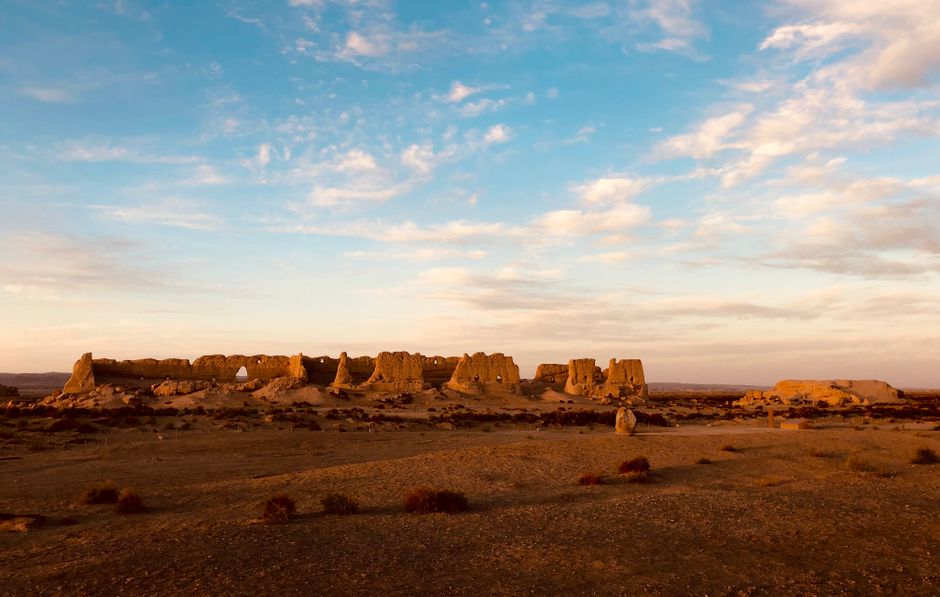
The Silk Road gradually weakened after the fall of the Tang Dynasty. Trade declined further during the Black Plague, which may have spread along these same routes. By the 15th century, China's Ming Dynasty chose isolation over trade, and the routes faded into history.
Yet the Silk Road's influence persisted. It shaped cities, religions, art and politics across three continents. Buddhist ideas travelled east from India and Central Asia into China. Islamic culture spread westward. Architectural styles, agricultural techniques and technologies moved along with merchants and armies. The routes created a web of cultural connection that lasted centuries.
Travelling the Silk Road today
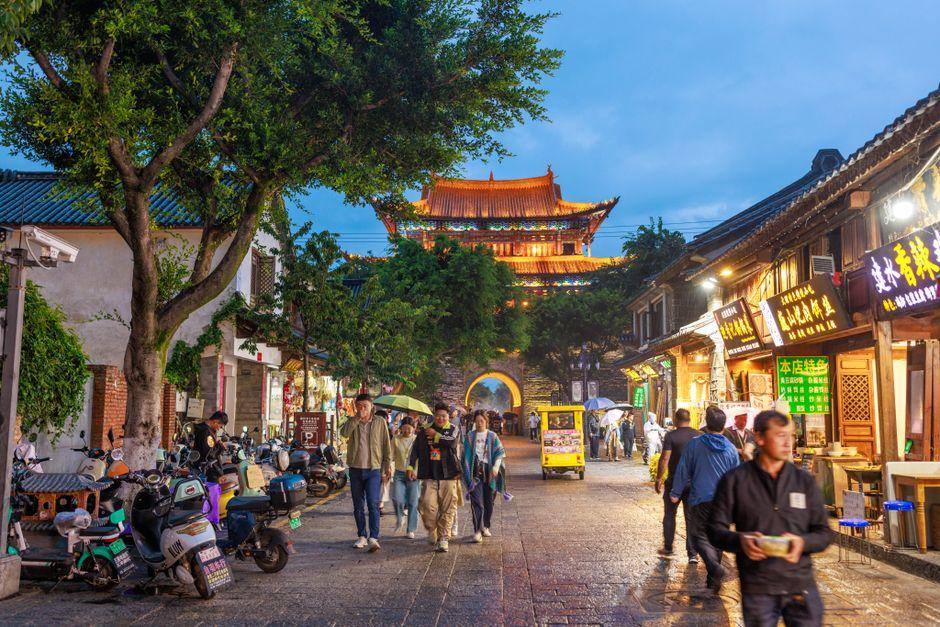
Several major cities along the historic routes are UNESCO World Heritage sites, making them natural starting points for exploration. Xi'an, ancient Chang'an, was the capital of multiple Chinese dynasties and the eastern terminus of the overland routes. Samarkand in Uzbekistan, with its spectacular blue-tiled buildings and the Registan palace complex built by Tamerlane, stands as one of the Silk Road's most iconic destinations. Bukhara, also in Uzbekistan, preserves its medieval character. Istanbul, at the western end, connects Europe and Asia. Between these anchors lie dozens of significant cities and archaeological sites.
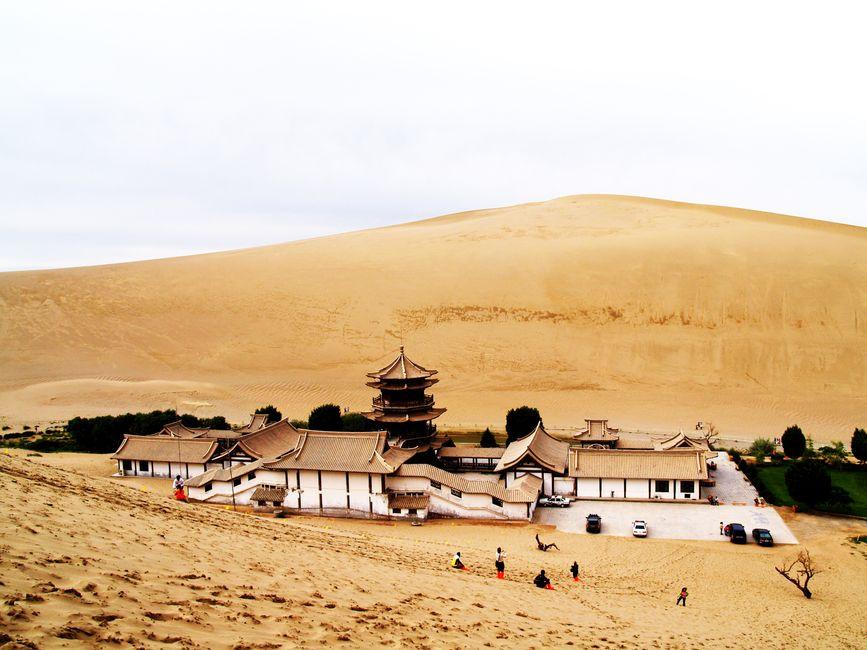
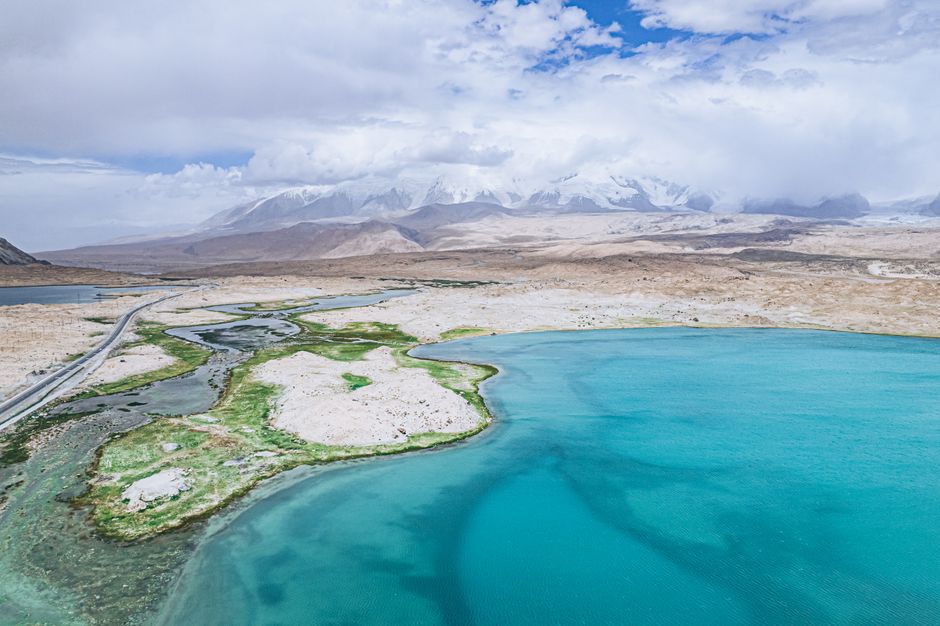
Travelling the Silk Road today means either following the overland routes through Central Asia or beginning in Xi'an and journeys eastward through China. Some travellers combine both approaches. The overland routes cross some extraordinary landscapes—high passes, deserts, mountain ranges and vast steppes. Many sites require dedicated time; this is not a trip to rush.
Who should visit
The Silk Road appeals to history enthusiasts who want to understand how trade shaped civilisation. It suits those interested in archaeology, architecture, religions and how ideas spread across cultures. Travellers drawn to dramatic landscapes—mountain passes, desert vistas, remote valleys—will find compelling scenery. The routes also fascinate those intrigued by the meeting points between Chinese, Central Asian, Islamic and European cultures.
Because much of the journey involves either lengthy overland travel or exploration of remote areas, many travellers prefer guided small-group tours that handle logistics and provide local expertise. Spring and autumn are ideal seasons, with comfortable temperatures and reliable weather. Winter can be harsh in mountain regions; summer brings extreme heat to desert sections. New Zealand travellers should plan for a significant long-haul flight to reach the starting point, then allow several weeks to experience the Silk Road properly—rushing diminishes the experience.