Tibet: high plateaus, Buddhist culture and remote mountains
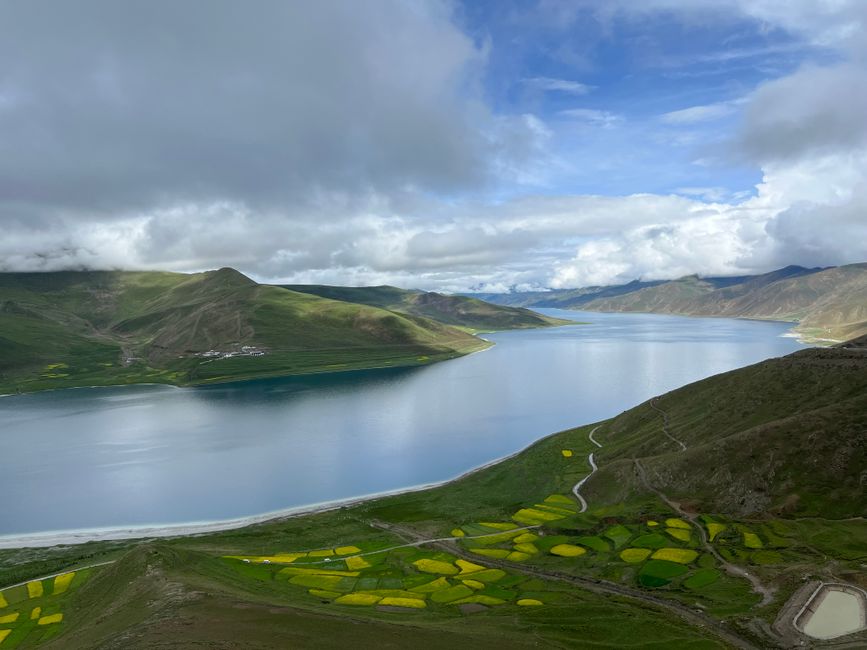
Tibet sits on the world's highest plateau and offers dramatic mountain scenery, ancient Buddhist temples and a distinct culture where travellers feel transported to another world.
Worldway Travel · 7 November 2026
What makes Tibet different
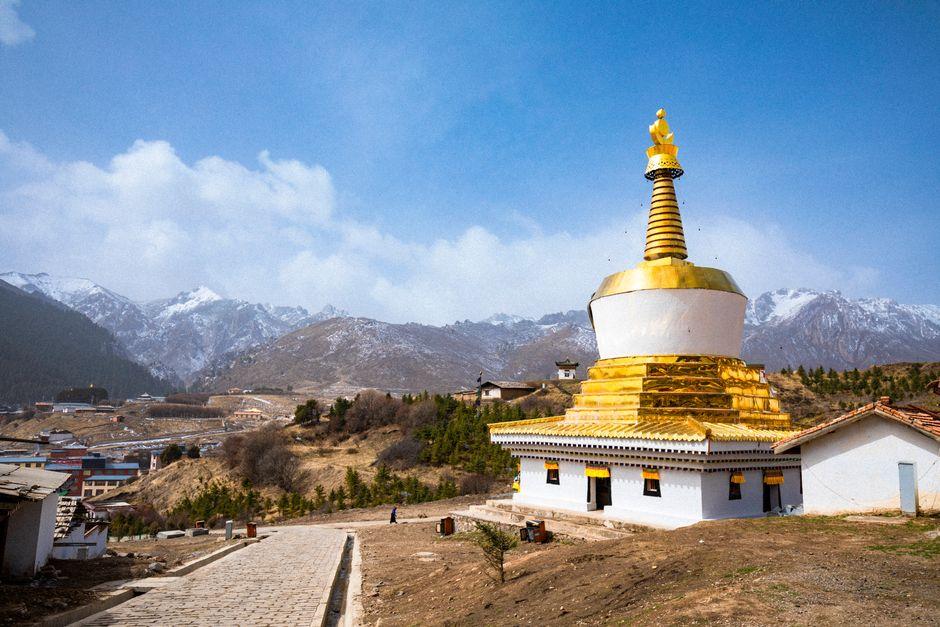
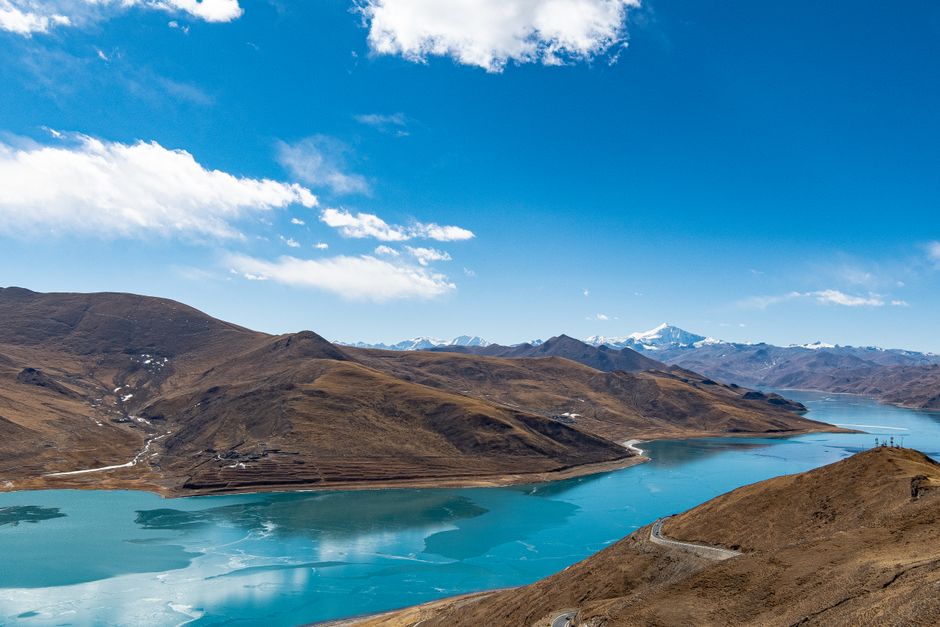
Tibet occupies a vast high plateau in southwest China, where the average elevation exceeds 4,000 metres. The region sits at the collision point of two continental plates, which created not only the plateau but also the Himalayan range along Tibet's southern border. This extraordinary geography means that travelling through Tibet feels like entering a separate world. The landscape is dominated by mountains, wide valleys and sparse settlements. The people are predominantly Tibetan rather than Han Chinese, and they maintain their own language, religion and customs despite Tibet being part of China since the Mongol era around 700 years ago.
Most visitors find Tibet's physical environment striking: the thin mountain air, the extreme altitudes, the quality of light and the vast open spaces create an experience quite unlike other parts of China. Many Chinese travellers themselves speak of Tibet as a destination that everyone should visit at least once in their lifetime, attracted by the landscape and the opportunity for what they describe as spiritual renewal.
Religious and cultural heart
Tibetan Buddhism has shaped the region since the 8th century and remains central to daily life. The religion takes the Vajrayana form, practised by the majority of Tibetans. A smaller but significant number of Tibetans follow Bon, an older shamanic tradition that existed before Buddhism arrived; the two religions have blended over centuries.
The spiritual leadership of Tibetan Buddhism traditionally centred on three figures: the Dalai Lama (the most senior), the Panchen Lama (second in importance), and the Karmapa (third). This heritage means that monasteries and temples throughout the region remain active places of worship and learning, not merely historical monuments. Travellers visiting Tibet encounter Buddhism as a living tradition, visible in daily rituals, festivals and the presence of monks and pilgrims at sacred sites.
Main places to visit
Lhasa is the capital and the natural starting point for any journey through Tibet. It has served as the spiritual and political centre of the region for centuries and contains the most significant temples and monasteries.
Xigatse (also spelled Shigatse) is the second-largest city and holds its own religious importance as the traditional seat of the Panchen Lama. Gyantse offers a smaller, more accessible introduction to Tibetan culture and architecture.
Beyond the cities, several destinations draw visitors specifically for their sacred or natural significance. Mount Kailash in western Tibet is revered by Tibetan Buddhists, Hindus, Jains and followers of Bon; it remains one of the world's most sacred mountains. The Yalung Zangbo Canyon holds the distinction of being the world's largest canyon. On Tibet's eastern border stands Mount Everest, accessible from the Tibetan side via the Qomolangma National Nature Reserve, which offers a different experience from the crowded Nepal approach.
Who should consider visiting
Tibet suits travellers interested in mountain scenery, religious history and cultural experiences quite different from mainstream China tourism. The altitude means visiting requires reasonable fitness and time to acclimatise; most people need several days at high elevation before their bodies adjust. This is not a destination for those seeking busy cities, beaches or luxury amenities.
Visitors should be prepared for remote terrain, limited infrastructure in many areas, and considerable distances between settlements. The experience appeals to those seeking solitude, wilderness and insight into a culture that has maintained its identity across centuries. Older travellers often find Tibet rewarding because the journey moves at a contemplative pace rather than chasing multiple sights in a short time.
Practical realities
The Tibet Autonomous Region is sparsely populated by Chinese standards; it has the lowest population density of any Chinese region. Han Chinese form only about 8% of the population and are concentrated in major cities; travellers will encounter Tibetan culture and language as the primary identity.
Tibet's remote geography and harsh climate mean that travel requires more planning than tourism in eastern China. Seasons matter significantly: winter brings extreme cold and snow that closes some mountain routes, whilst summer and autumn offer the most reliable access. Entry requirements and travel regulations for Tibet are complex and change periodically; current visa rules and any permits required for visiting specific areas must be checked with official sources well before travelling.
The region rewards visitors who travel with patience and realistic expectations. This is a landscape and culture that reveals itself slowly, not a checklist of quick visits.