Turpan: ancient ruins and desert oases on the Silk Road
This remote Xinjiang city sits in China's lowest depression and showcases Silk Road heritage through Buddhist caves, ruined cities and traditional grape farming.
Worldway Travel · 10 November 2026
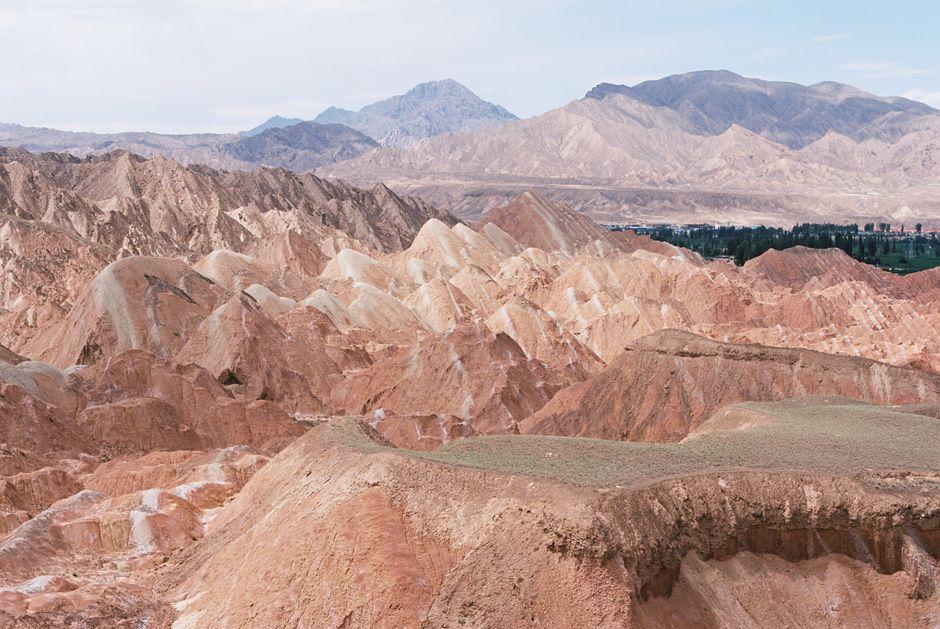
A city shaped by extremes
Turpan lies in a depression 154 metres below sea level—the second-lowest point on Earth after the Dead Sea. The landscape around it is unforgiving: extremely dry, sometimes hotter than anywhere else in China, and home to the legendary Flaming Mountain immortalised in the classical Chinese novel Journey to the West. Yet for over a thousand years, people have thrived here by developing karez, an ingenious system of underground channels and wells that still brings water from distant mountains to irrigate the valley. The result is a striking contrast between harsh desert and pockets of green fertility, most famously the vineyards that produce China's finest grapes and raisins.
The city's population is predominantly ethnic Uyghur, with substantial Han and Hui communities. This cultural mix is visible in the architecture, food and daily life, reflecting Turpan's position on one of history's most important trade routes.
Why visit Turpan
Turpan rewards travellers interested in Silk Road history, ancient religions and how people adapt to extreme environments. It is not a city of modern attractions; instead, its appeal lies in archaeological sites, desert landscapes and the chance to experience a distinct corner of China that feels separate from the country's fast-paced eastern cities.
The city makes an excellent stop when travelling between Urumqi and other Silk Road destinations like Kashgar or Dunhuang. A three to four-hour journey by train connects Turpan to Urumqi, making it accessible for those based in Xinjiang's regional hub.
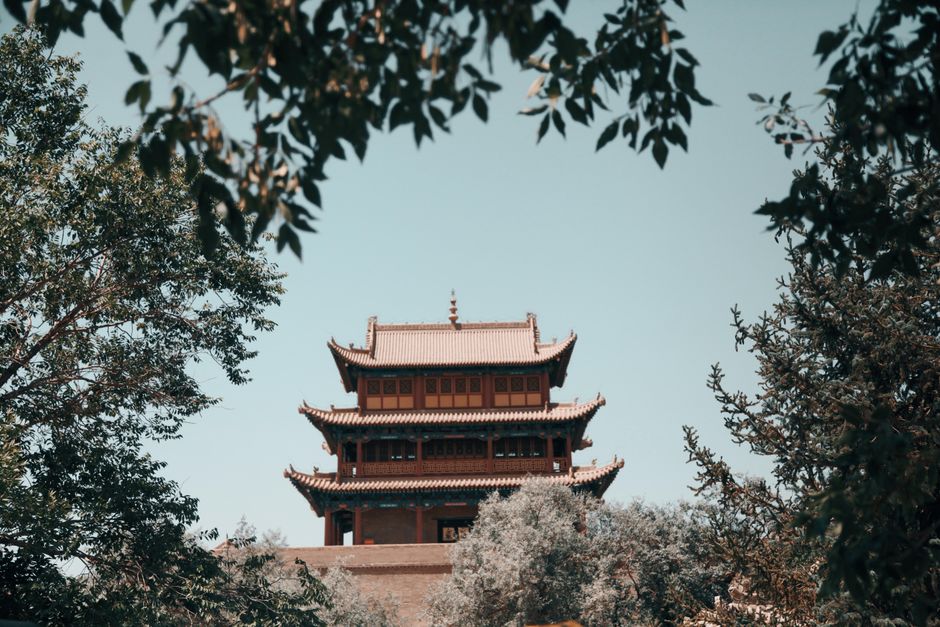
Main sights
The two most significant sites are ancient ruined cities. Yarghol (also called Jiaohe Ruins), about 10 kilometres west of the city, dates from the Western Han Dynasty and reveals the foundations, walls and street plans of a Silk Road settlement. Turpan Idikut Ancient City, roughly 46 kilometres southeast, is larger and more isolated, standing alone in the Gobi Desert with views across empty plains. Both sites are remarkable for their solitude and the sense of history they evoke, though visitors should be prepared for minimal facilities and intense sun.
The Bezeklik Thousand Buddha Caves lie 45 kilometres east, nestled high in cliffs beneath the Flaming Mountain. Originally 83 caves, 57 remain today with Buddhist murals covering over 1,200 square metres. The caves represent centuries of construction and decoration from the Southern and Northern Dynasties through the Yuan period, documenting Buddhism's former importance in the region before Islam became dominant. The caves show signs of damage from religious conflict, early 20th-century foreign excavation and deliberate defacement, yet the surviving artwork retains delicate detail and vibrant colour.
Closer to the city, the Emin Minaret stands as China's tallest minaret, built in 1777 to honour the Uyghur general Emin Khoja. Its distinctive architecture reflects Uyghur Islamic heritage.
Grapes and agriculture
Grape Valley, 10 kilometres from the city, occupies over 200 hectares of vineyard and orchard—a green oasis nicknamed the Green Pearl City. Grapes have been cultivated here for more than a thousand years, and the region's reputation for quality remains unmatched in China. Visitors can walk through the vines, taste fresh fruit and learn about traditional grape-drying houses, where ventilated rooms preserve grapes as raisins using the area's intense heat and dry air. Sampling local raisins is essential; they are among China's finest.
Practical considerations
Train connections link Turpan to major cities across northwest and central China. A bullet train to Urumqi takes about an hour; trains to Xi'an, Lanzhou and Xining take between 10 and 25 hours. Long-distance buses also operate to Kashgar, Korla and other regional centres, though journeys are lengthy due to distances across the Xinjiang plateau.
Within the city, public buses are inexpensive, and taxis are plentiful and cheap. Many taxi drivers offer fixed-rate day trips to the main archaeological sites, which is convenient for those without a rental vehicle.
The best season to visit is autumn (September to November) and spring (March to May), when temperatures are moderate. Summer brings extreme heat that exceeds 40 degrees Celsius, making outdoor sightseeing difficult. Winter can be cold, though snow is rare.
Who it suits
Turpan appeals most to travellers interested in archaeology, history and cultural geography rather than conventional tourism. The sites require time to explore properly and benefit from on-site guides or prior research. The extreme climate and remote location mean it is not ideal for those with mobility challenges or those seeking comfort and convenience. First-time visitors to China who have limited time might prefer more famous Silk Road destinations, but those with deeper interest in early Buddhist culture, Han Dynasty settlements or the lives of Silk Road merchants will find Turpan unusually rewarding.