Urumqi: China's most remote major city and Xinjiang gateway
Deep in Central Asia, Urumqi is where Mandarin meets Uyghur culture. This sprawling mountain city offers museums, markets and a fascinating crossroads of ethnic communities.
Worldway Travel · 9 November 2026
What Urumqi is and why visit
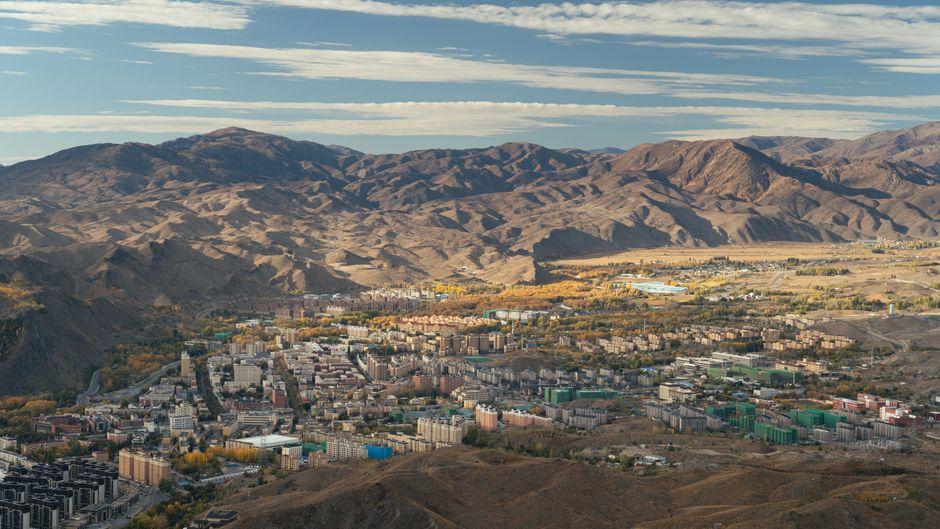
Urumqi sits in the Tian Shan mountains as the capital of Xinjiang, China's vast western region. It holds a remarkable geographic distinction: as the world's most inland major city, it lies further from any ocean than anywhere else on Earth. For travellers accustomed to coastal New Zealand, this sense of remoteness is striking.
The city is worth visiting for several reasons. It serves as the gateway to exploring Xinjiang—a region with its own distinct culture, languages and history quite different from eastern China. Urumqi itself is a living meeting point where Han Chinese (the ethnic majority in the city) and Uyghur people (the region's original inhabitants) live side by side, along with Kazakhs, Kyrgyz, Mongols and Hui Muslims. Walking through different quarters of the city, you encounter different languages, cuisines and ways of life.
Many travellers dismiss Urumqi as merely a transport hub, but it has genuine attractions and offers authentic experiences without the tourist polish of more famous Chinese cities.
Getting there from New Zealand
Flying from Auckland, you will arrive in mainland China at a major hub like Shanghai or Beijing, then connect to Urumqi. Direct international flights serve the city from Central Asian capitals and some other countries, so connections exist, though routes change.
The main railway station, 20 kilometres northwest of the city centre, handles long-distance trains from Beijing (roughly 30 hours), Xian, Lanzhou and other cities—an alternative to flying if you enjoy train travel. Long-distance buses also arrive from across the region, though journeys are lengthy and trains are generally more comfortable.
Getting around the city
Urumqi is large and sprawling. The city centre is divided into distinct districts, and distances between them are substantial. Walking is possible but exhausting, especially given the climate extremes: summer temperatures can be intense, while winter nights plummet to minus 35 degrees Celsius.
The metro system is limited but expanding and convenient for north-south travel. Taxis are abundant and inexpensive; metered cabs start at a very low fare for the first few kilometres. Hiring a private car for a day or longer is affordable and allows flexible exploration of surrounding areas and nearby towns.
Main sights and experiences
The Urumqi Museum is a major draw, holding extensive collections related to Xinjiang's history, including artefacts from ancient Silk Road times and displays on local ethnic groups. Travellers with an interest in history and archaeology find it rewarding.
The city's markets are atmospheric places to explore. The Grand Bazaar and other traditional markets sell Uyghur handicrafts, fabrics, dried fruits and spices. These spaces give a genuine sense of regional commerce and culture—far less staged than some tourist markets in coastal cities.
Eating in Urumqi means sampling Uyghur and Central Asian cuisines. Hand-pulled noodles, lamb skewers, flatbreads and rice dishes reflect centuries of trade and cultural exchange. Food stalls and small restaurants cluster in Uyghur quarters, offering inexpensive and authentic meals.
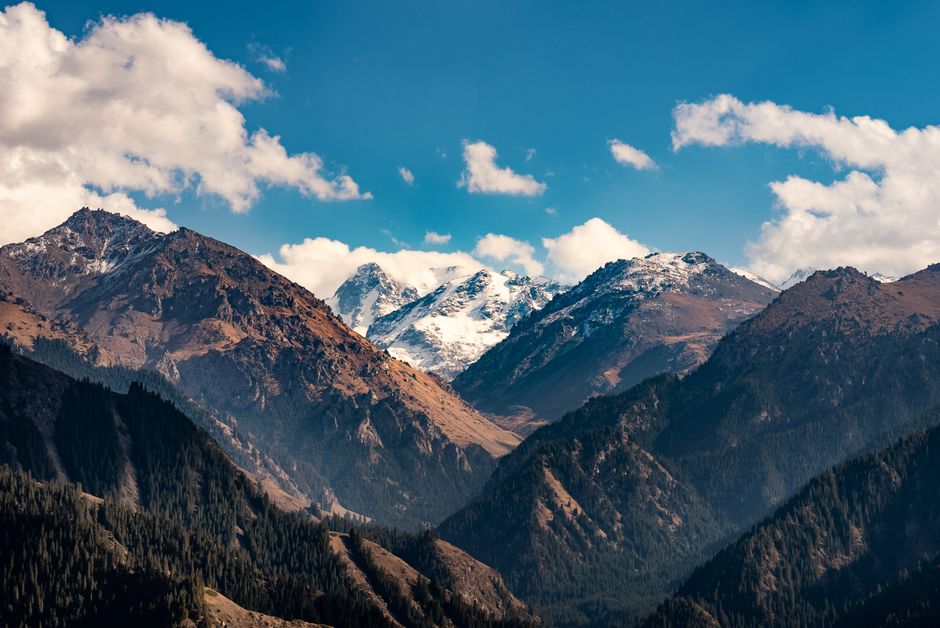
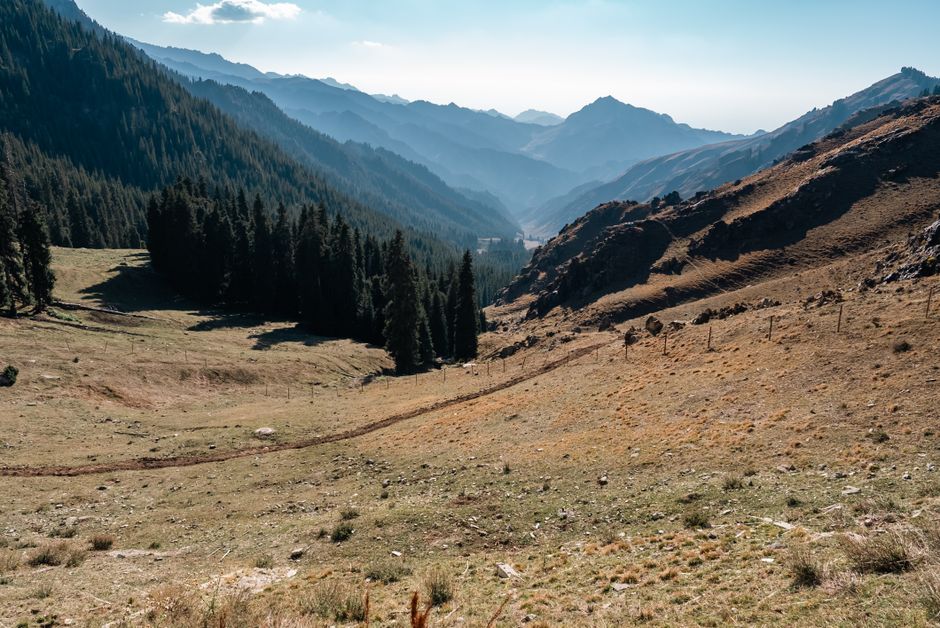
The surrounding mountains provide hiking and outdoor opportunities. Day trips can reach scenic areas, though you will need a car or organised transport.
Who it suits and practical considerations
Urumqi suits travellers interested in authentic Central Asia, those with curiosity about China beyond the eastern cities, and anyone wanting to understand the diversity within modern China. It appeals to independent explorers but also works well as part of a guided tour, especially one that includes visits to other Xinjiang destinations like Kashgar or Turpan.
Mandarin is the common language for most people, though Uyghur is also widely spoken in certain areas. English is not common even in larger hotels, so carrying written Chinese names of your destination is sensible.
The city's position as a cultural crossroads means you will see bilingual signs and menus in Uyghur and Chinese, particularly in Uyghur-owned establishments. This reflects the region's distinct identity within China.
Visit during spring (April to May) or autumn (September to October) when temperatures are moderate. Summer can be hot and dry; winter is severe.