Wuyuan: exploring rural villages and countryside in Jiangxi Province
Wuyuan is a county in central-eastern China known for traditional villages, rice paddies and countryside scenery. It suits travellers who enjoy walking through historic settlements and rural landscapes.
Worldway Travel · 14 November 2026
What Wuyuan offers
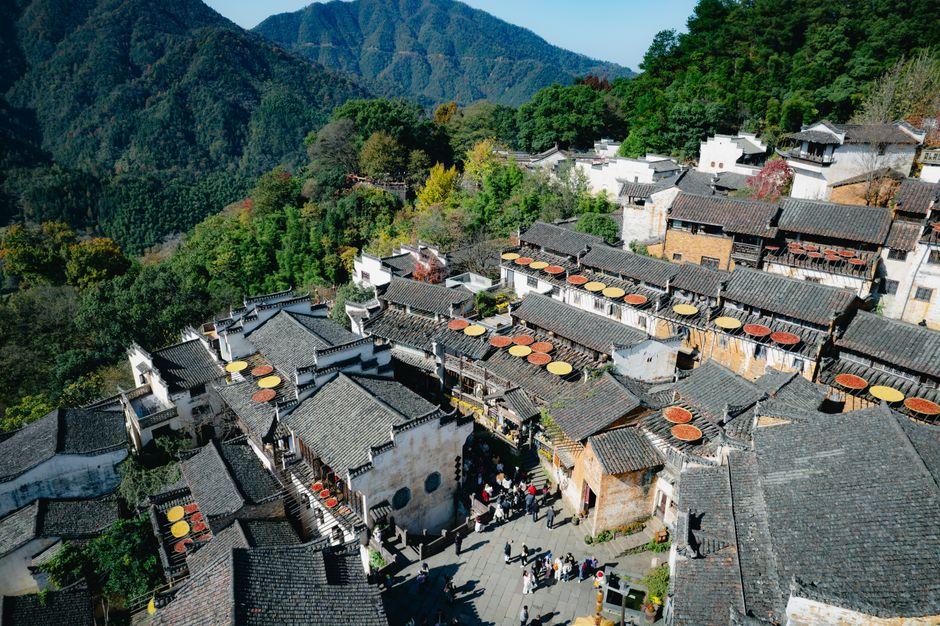
Wuyuan is a county in Jiangxi Province, in central-eastern China, that has become popular with both Chinese and international visitors for its villages and rural character. The area functions as a hub for exploring a collection of small settlements spread across the surrounding countryside, each with its own character and appeal. Unlike some destinations in China that focus on grand monuments or urban centres, Wuyuan attracts people who want to see how people live in traditional communities and experience the agricultural landscape that has shaped the region for centuries.
The region is classified as "industrial tourism" by travel guides, meaning it is well-established and well-visited, especially by Chinese tour groups. Travellers should approach Wuyuan with realistic expectations rather than seeking entirely unspoiled or remote villages. That said, the area remains genuinely rural, and the warmth of the local people—both farmers and villagers—is noted by visitors as unforced and genuine.
Main villages and sights
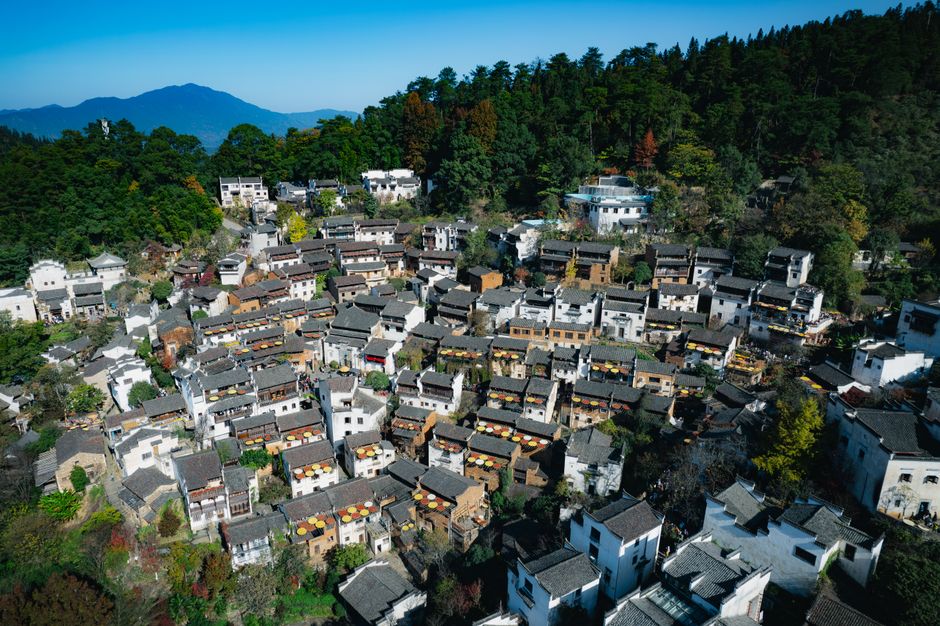
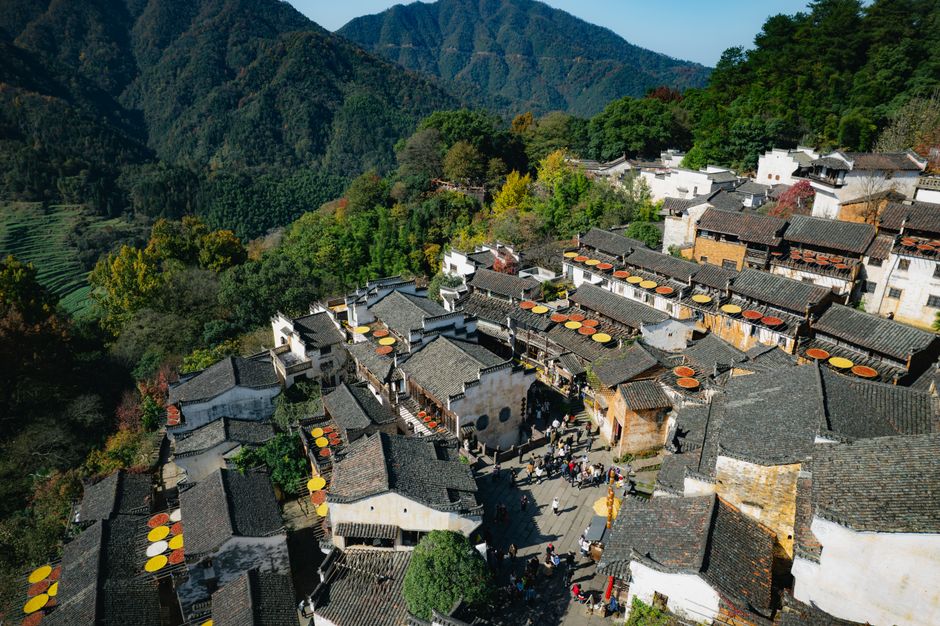
Several villages are accessible from Wuyuan town and warrant a visit. Small Likeng is among the most popular places to stay and explore. It features narrow pathways that wind around creeks and canals running through the settlement. Traditional homes, Buddhist temples, working farms and teahouses remain active despite tourist numbers, though motorcycle traffic and noise from the nearby high-speed railway are present realities.
Beyond Small Likeng, the region contains many other villages and temples scattered across the countryside. The landscape itself is a major draw: rolling hills, rice paddies and rural scenery are characteristic of the area. Many visitors come specifically to spend time in or near working rice paddies, and local farmers are generally welcoming if you ask to help with seasonal work.
Getting there and around
Wuyuan has a high-speed railway station connecting it to major cities across China, including Beijing, Shanghai, Guangzhou and others. For New Zealanders arriving from Auckland, this makes Wuyuan accessible as part of a multi-city itinerary. Regular buses also serve the area from nearby cities such as Jingdezhen, Nanchang, Hangzhou and Shanghai.
Once in Wuyuan, public transport is limited. Local buses connect Wuyuan town to some villages, though services can be infrequent and journeys time-consuming. Motorcycle taxis are abundant and inexpensive for short journeys. For exploring multiple villages or visiting sites further afield, hiring a minivan with a driver for the day is the most practical option. Guesthouses can help arrange this, and drivers will typically expect their lunch to be paid for. This approach allows flexibility to stop at scenic spots and spend time in different settlements at your own pace.
Timing and practicalities
Most large Chinese tour groups depart villages by 6 PM, after which the settlements become noticeably quieter and more atmospheric. However, this also means dining options narrow in the evening, as dinner service typically runs from 6 to 7 PM, and restaurants can fill quickly. By 10 PM, most activity has ceased and street lighting is minimal, so bringing a torch is advisable if you plan evening walks.
Many villages charge admission fees to enter. A single entrance typically costs less than a multi-day pass that covers most scenic areas across the region. This pass system makes it economical if you plan to visit several villages over a few days.
Who should visit
Wuyuan suits travellers who enjoy walking through historic settlements, photographing rural landscapes and interacting with local communities. It appeals to those interested in traditional architecture and agricultural life rather than monumental sites or major cities. The pace is slower than typical city tourism, and visitors need to be comfortable with basic public transport, simple accommodation and eating when local restaurants are open. Organised small-group tours can be valuable here, as a guide can navigate the local transport system, arrange appropriate transport between villages and provide cultural context about the settlements and their history. First-time visitors to China, or those aged 50 and over who prefer a less rushed experience, often find Wuyuan particularly rewarding.