Xiamen: China's prosperous coastal city with colonial heritage
A modern, tree-lined port city on Fujian's coast, Xiamen combines contemporary development with centuries of maritime history, colonial architecture, and a relaxed, international atmosphere.
Worldway Travel · 15 November 2026
What is Xiamen
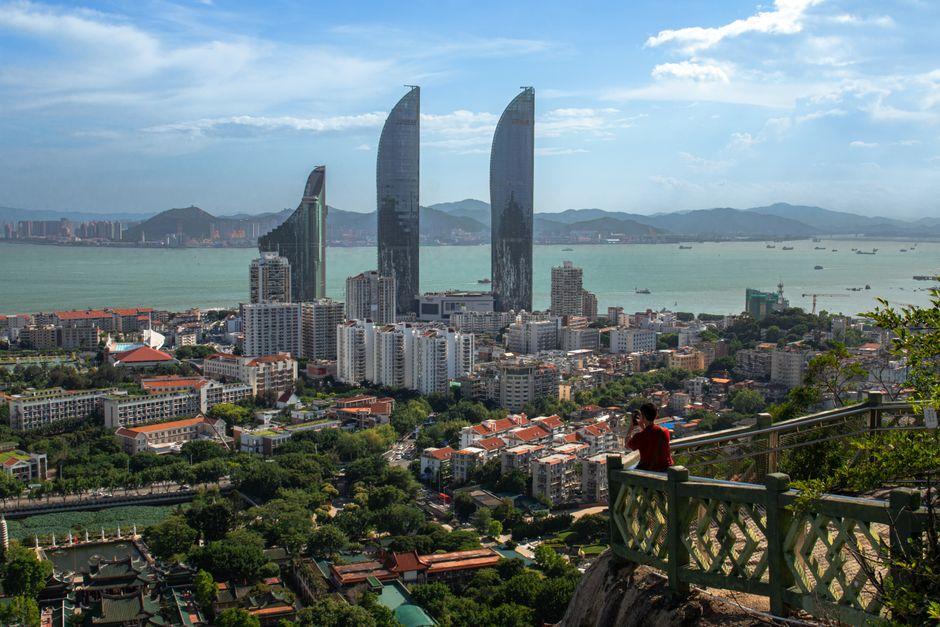
Xiamen sits on the southeast coast of China in Fujian Province, a city of 5.1 million people that feels smaller and more relaxed than others of its size. The name means "door to the house", reflecting its long history as a gateway for trade—first along the Maritime Silk Road, then as a treaty port after the Opium Wars, and today as a thriving modern economy. Unlike many Chinese cities that can feel purely concrete and industrial, Xiamen is notably green and spacious, with extensive parkland, tree-lined streets, and hillsides still forested. The climate is subtropical and warm throughout the year, making it feel distinctly tropical compared to northern China.
The city has attracted substantial foreign investment since becoming one of China's first Special Economic Zones in 1980. This international character shows in its restaurants, bars, shops and the many non-Chinese residents living here. It has also received more investment from Taiwan than any other Chinese city, partly because people in southern Fujian and Taiwan share the same dialect and cultural roots.
Gulangyu island
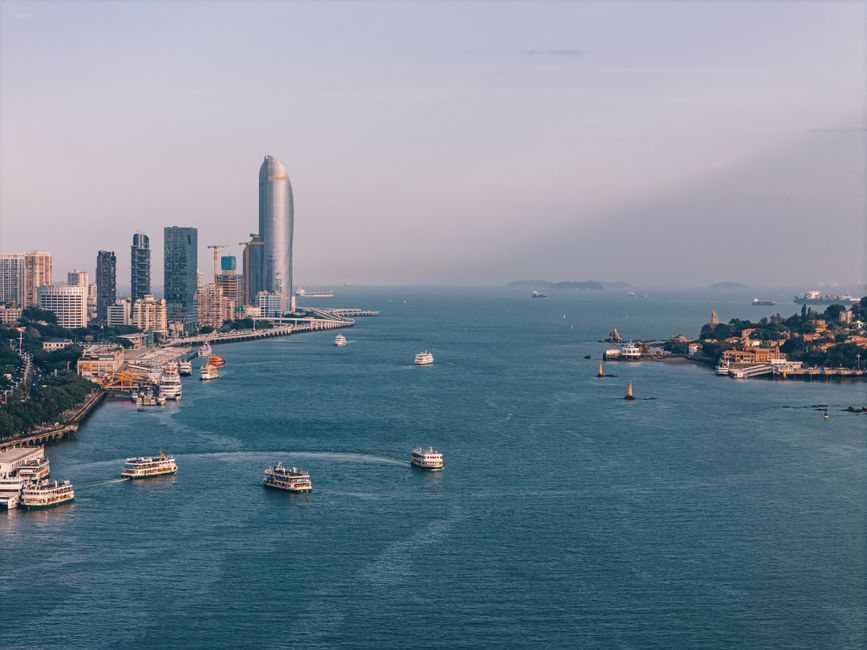
The most essential sight is Gulangyu (鼓浪屿), a small island just a five-minute ferry ride from downtown. Now a UNESCO World Heritage Site, it was once a foreign concession administered by various Western powers, and the colonial-era buildings remain remarkably intact. Mansions, churches, consulates and foreign residences from the late 1800s and early 1900s line its streets, many beautifully preserved or restored. The island is completely car-free, giving it a peaceful, walkable character quite different from mainland Xiamen. Visitors explore narrow lanes between historic buildings, climb to hilltop viewpoints, and rest in small cafés. The architecture tells the story of how foreign traders operated in China under colonial agreements.
The main island and beyond
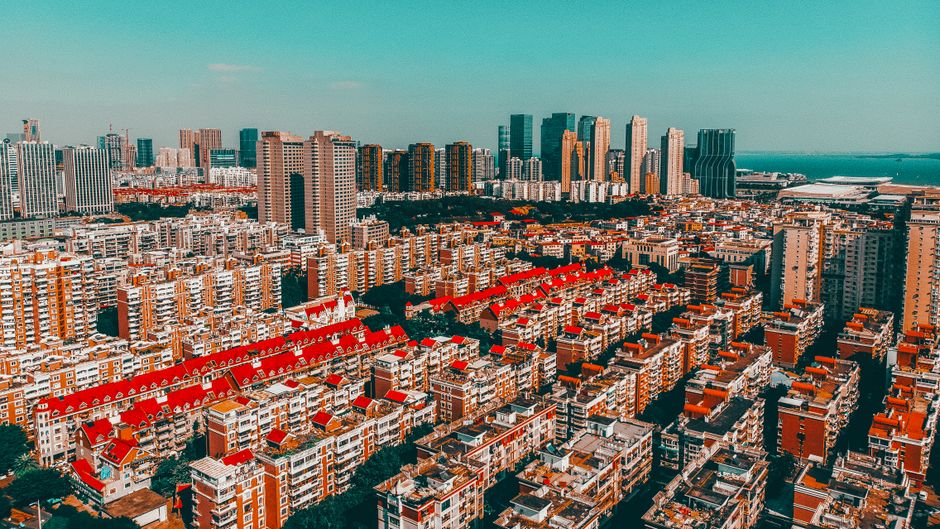
Xiamen Island itself is the urban core, roughly 13 kilometres across. The downtown areas contain shops, restaurants, offices and homes characteristic of a prosperous modern city. Along the west side, Yundang Lake runs north-south near the shore, with parks and waterfront dining on both banks. Further west, Haiwan Park sits right on the coast with seafront bars and restaurants popular with expatriates, many serving Western food. The city's massive container port is visible from the main roads on the west side—among the world's busiest—with hundreds of stacked shipping containers and enormous cranes.
Bridges and transport connections link Xiamen Island to four suburban districts: Jimei, Haicang, Tong'an and Xiang'an. These areas were largely rural farmland a few decades ago but have grown rapidly; some still contain working agricultural land and forested hills, though all now have populations in the hundreds of thousands.
A bit of history
For centuries before modern times, Western traders were restricted to Guangzhou in the south. After Britain defeated China in the First Opium War around 1840, the country was forced to open five treaty ports, including Xiamen. The foreign concession on Gulangyu became home to consulates and traders' mansions, and these structures survive today.
During the Cold War, Xiamen sat on the front line between Communist and Nationalist forces. The nearby island of Kinmen, still controlled by Taiwan, lies just across the water. Propaganda broadcasts, military infiltration attempts, and shelling across the strait were common during those decades. Large slogans on hillsides from that era remain visible, reflecting the long period of tension.
Who it suits
Xiamen works well for first-time visitors to China who want a less overwhelming introduction than mega-cities like Shanghai or Beijing. It is modern and comfortable, with good transport, restaurants catering to various tastes, and enough English speakers in tourist areas to navigate without difficulty. The subtropical setting and relaxed pace appeal to those seeking something different from northern China's harsher climate and bustling intensity. The historical layer—colonial buildings, maritime heritage, Cold War remnants—gives depth for those interested in how China opened to the world. Gulangyu alone justifies a visit and can occupy a full day. The city also serves as a good base for exploring Fujian Province's countryside and smaller towns beyond the urban area.
The long flight from Auckland (typically 12+ hours with a stopover) makes Xiamen worth combining with other destinations in southeast China, whether heading north to other cities or exploring the surrounding region. The seasons to visit are spring (March to May) and autumn (September to November), when temperatures are pleasant; summers are hot and humid, while winters remain mild but can be grey and drizzly.