Xining: gateway to the Tibetan Plateau and Qinghai's cultural hub
The capital of Qinghai Province sits at 2,270 metres on the Yellow River, blending Islamic and Tibetan traditions. It's the main entry point to the Tibetan Plateau, with museums, temples and regional bus connections.
Worldway Travel · 17 November 2026
What to know about Xining
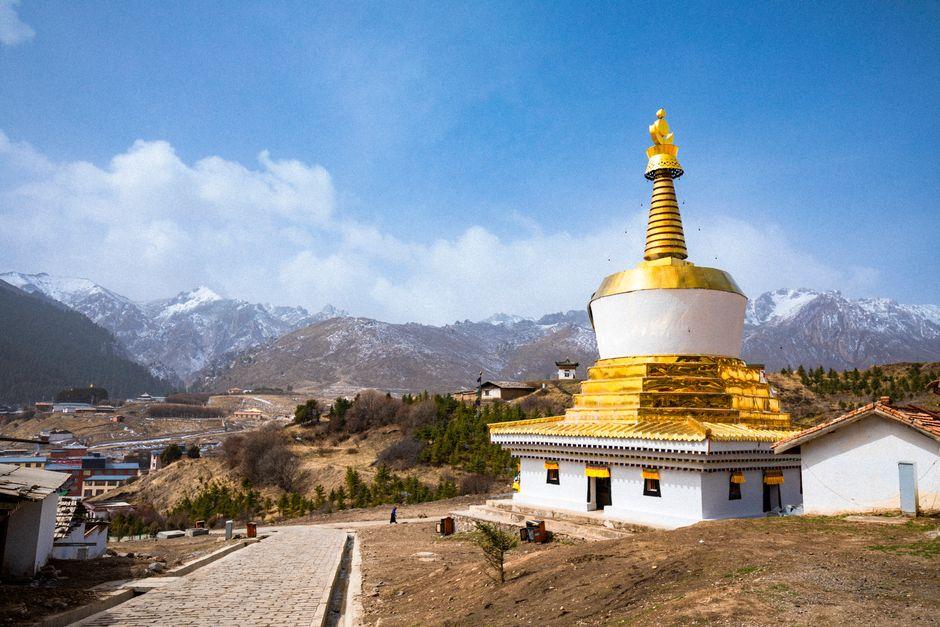
Xining is the capital of Qinghai Province and a city of around 2.5 million people. It sits at a substantial altitude of 2,270 metres on the Yellow River in northwestern China, making it the principal jumping-off point for travel to the Tibetan Plateau. The city itself reflects its location: it has a strong Islamic character, with a large Hui Muslim population, but as you move outward into the surrounding region, Tibetan culture becomes increasingly visible.
The city combines historical significance with modern infrastructure. It marks the starting point of the Qinghai–Tibet railway, one of China's major engineering achievements. For many New Zealand travellers heading to or from the Tibetan plateau, Xining serves as a practical and culturally interesting base.
Getting there and moving around
Xining Caojiabao Airport, 15 kilometres southeast of the city, receives flights from major Chinese cities including Beijing, Shanghai, Chengdu, Lhasa and Xi'an. Most international visitors will need to connect through another Chinese airport before arriving here.
The city's railway station is modern and well-connected to destinations across northwestern China and the rest of the country. It sits on both high-speed and conventional rail networks. The adjacent long-distance bus station serves regional towns and distant cities; a Tourism Information Desk is located there, though English is not widely spoken.
Getting around Xining itself is straightforward. City buses are inexpensive and bus number 1 runs through the town centre. Taxis use meters and are affordable. The city's layout makes independent exploration manageable, though a guided tour removes the navigation uncertainty.
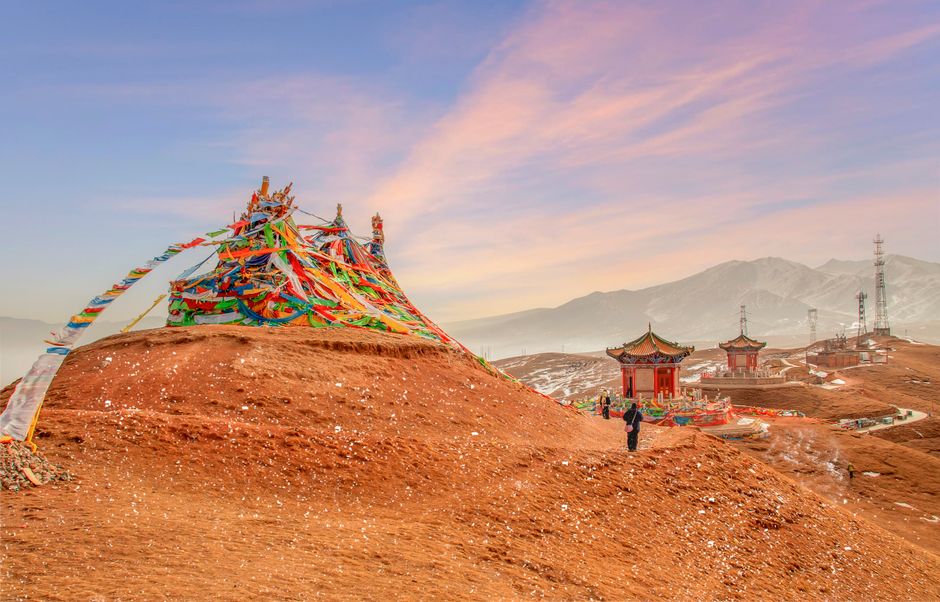
Museums and cultural sites
The Qinghai Provincial Museum covers the region's history, ethnic relationships and the Qinghai section of the historic Silk Road. The exhibition flows logically through five rooms, though attention to signage helps. Some English text is available, and an audio guide can be rented. Entry is free.
The Qinghai Tibetan Culture Museum and Tibetan Medicine Museum of China operate as two linked institutions. The Tibetan Medicine Museum displays extensive medical thangkas (painted scrolls), while the Tibetan Culture Museum houses the world's longest thangka, stretching 600 metres, alongside thousands of other cultural artifacts. The site includes a Tibetan restaurant and gift shops. Both museums occasionally present musical performances.
The Qinghai Art Museum, located near the Provincial Museum, is also free to enter. For those interested in science, the Qinghai Science and Technology Museum offers interactive exhibits.
Why visit Xining
Xining rewards visitors who want to experience authentic Tibetan culture without the challenges of visiting higher-altitude Tibetan regions immediately. The city's blend of Islamic and Tibetan character reflects its historical role as a trading hub and cultural crossroads. Markets and streets reveal this layering of traditions in daily life.
The altitude here is notably high compared to Auckland or most of New Zealand, so acclimatisation is worthwhile. Spending a day or two in Xining before travelling to higher regions of the plateau is a sensible approach to managing altitude adjustment.
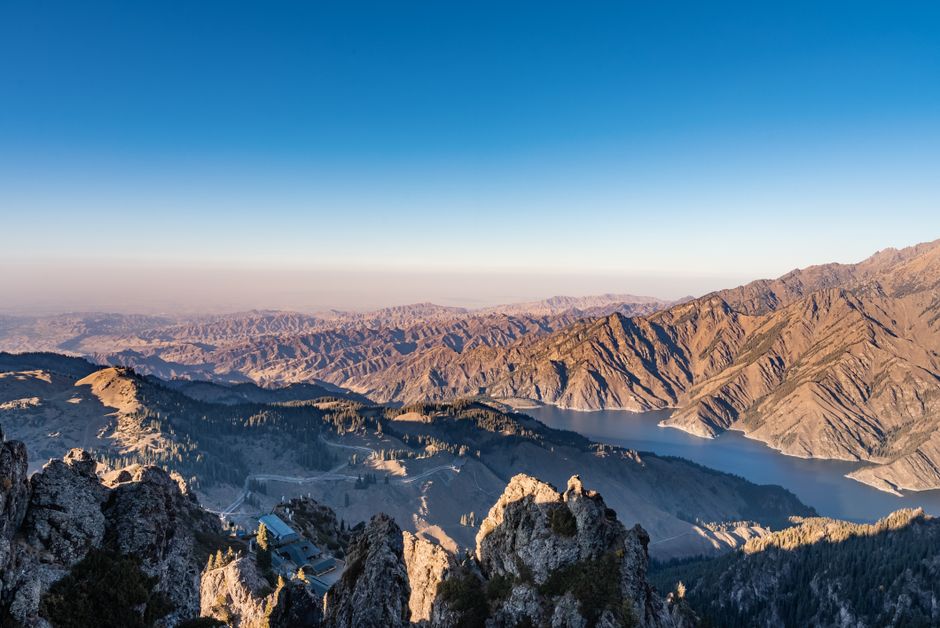
The city is also well-positioned for regional exploration. Direct buses connect to towns and scenic areas within a few hours' travel, making day trips or short excursions practical. Nearby destinations are accessible without requiring flights or long train journeys.
Who should visit
Xining suits travellers interested in Tibetan culture, history and the Silk Road. It appeals to those who prefer a more gradual introduction to high-altitude travel rather than flying directly to higher regions. The city's museums are substantial enough to occupy a full day, and the blend of Islamic and Tibetan character offers cultural interest beyond typical Chinese cities.
The city works well as either a destination in its own right or a staging point for broader travel in Qinghai and Tibet. Its modern transport infrastructure and tourism services make independent travel feasible, though a guided visit removes complexity around language, transport booking and cultural context.
Travellers should be aware that entry and visa rules for China change and must be verified with official sources before planning a trip.