Xinjiang: China's crossroads of cultures and landscapes
Xinjiang blends Uyghur, Kazakh and Han Chinese cultures across deserts, mountains and historic Silk Road cities. Few Western travellers visit, making it an authentic alternative to crowded destinations.
Worldway Travel · 10 November 2026
A region of contrasts
Xinjiang sprawls across China's north-west, occupying a quarter of the country's land area but home to less than 3 per cent of its population. It is fundamentally different from the Han Chinese heartland that most visitors know. Uyghurs, the largest ethnic group here, speak Turkic languages and practise Islam; Kazakhs in the north retain semi-nomadic traditions; and Han Chinese have migrated here in recent decades. This collision of cultures, languages and religions creates a distinct character that sets Xinjiang apart from anywhere else in China.
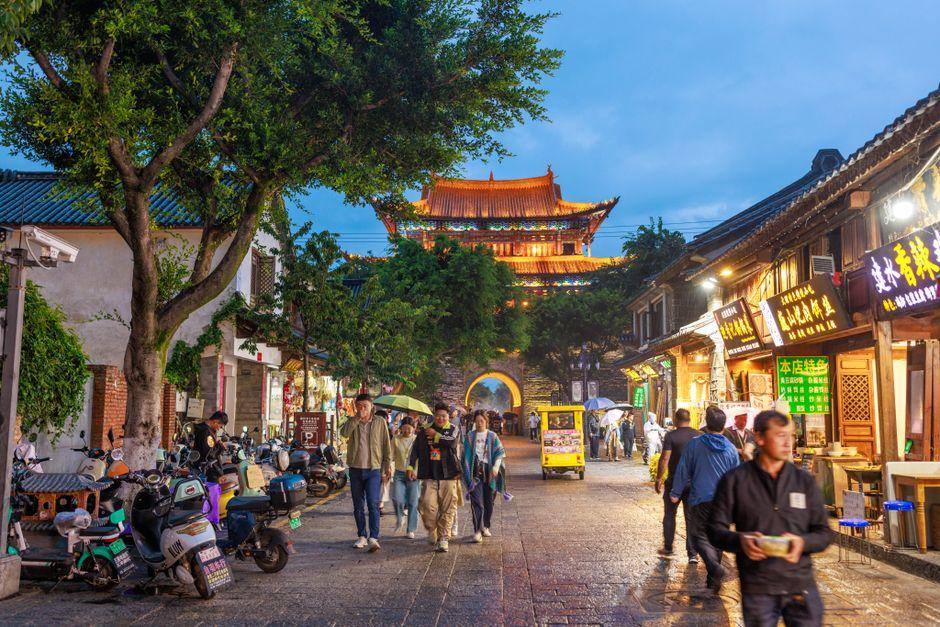
The region sits at a crossroads. It borders eight countries and territories—Russia, Mongolia, Kazakhstan, Kyrgyzstan, Tajikistan, Afghanistan, Pakistan and the disputed Kashmir region—making it a gateway to Central Asia. This strategic position shaped its history for two millennia. Caravans passed through here on the Silk Road, leaving behind oasis cities with mosques, bazaars and mudbrick architecture that still stand today.
Main cities and experiences
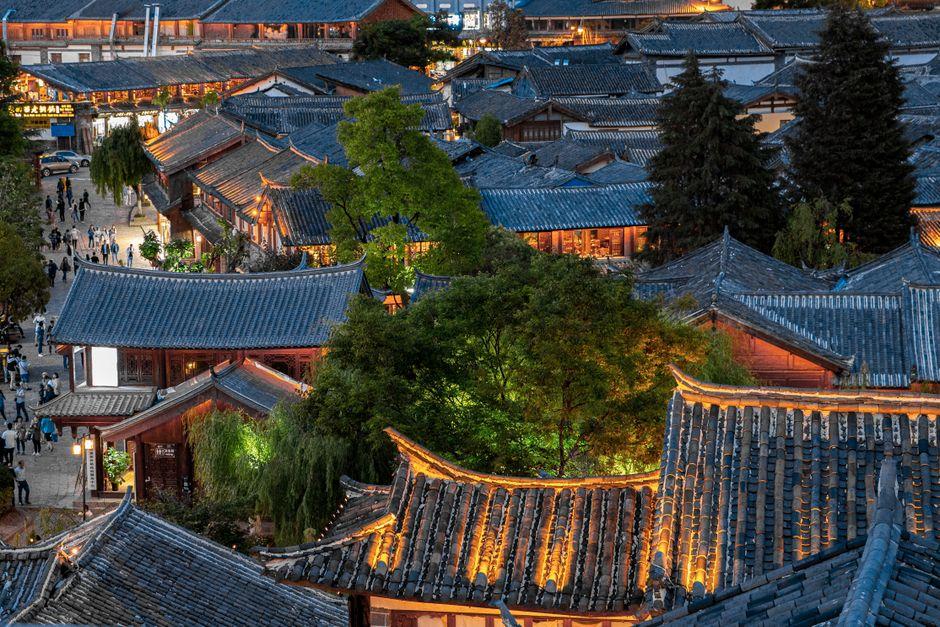
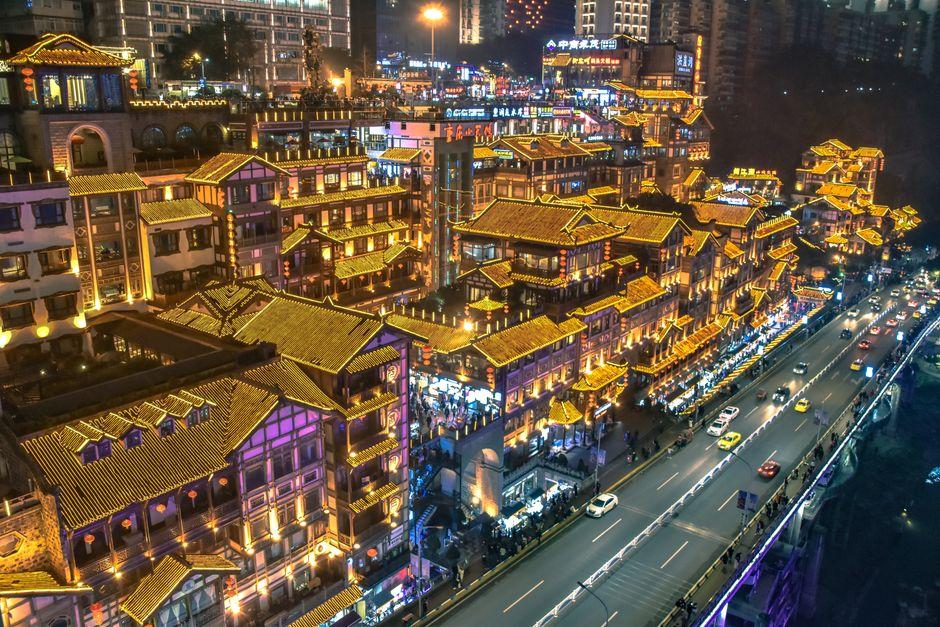
Urumqi, the capital, serves as the entry point for most travellers. It is a sprawling modern city where Chinese investment has transformed the landscape, though the older quarters retain character and Uyghur restaurants are abundant.
Kashgar, in the far south-west, feels like stepping into Central Asia. The old city retains its maze-like bazaars and mud-built houses, and the famous Sunday livestock market draws traders from across the region. The atmosphere is closer to Afghanistan and Tajikistan than to eastern China, and Uyghur culture dominates everyday life.
Turpan lies in a desert depression between mountain ranges. It is known for raisin production and the striking Emin Mosque with its distinctive minaret. Nearby, archaeological sites and cave temples dot the landscape, remnants of ancient Buddhist kingdoms along the Silk Road.
Khotan in the south produces handicrafts—carpets, silk and jade—and retains a strong Uyghur identity. The Khotan River, where jade stones are found, has attracted prospectors and merchants for centuries.
Landscapes and nature reserves
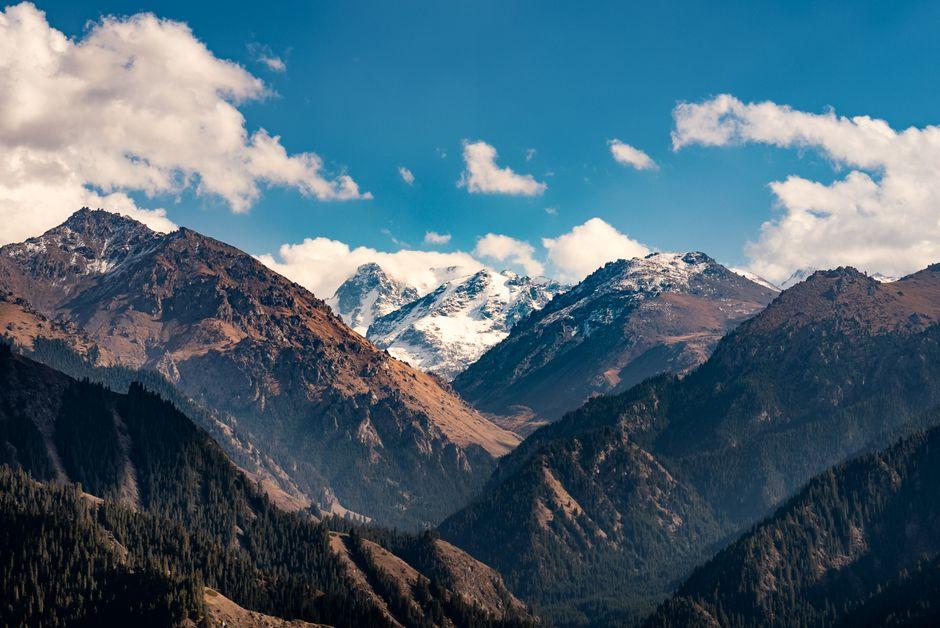
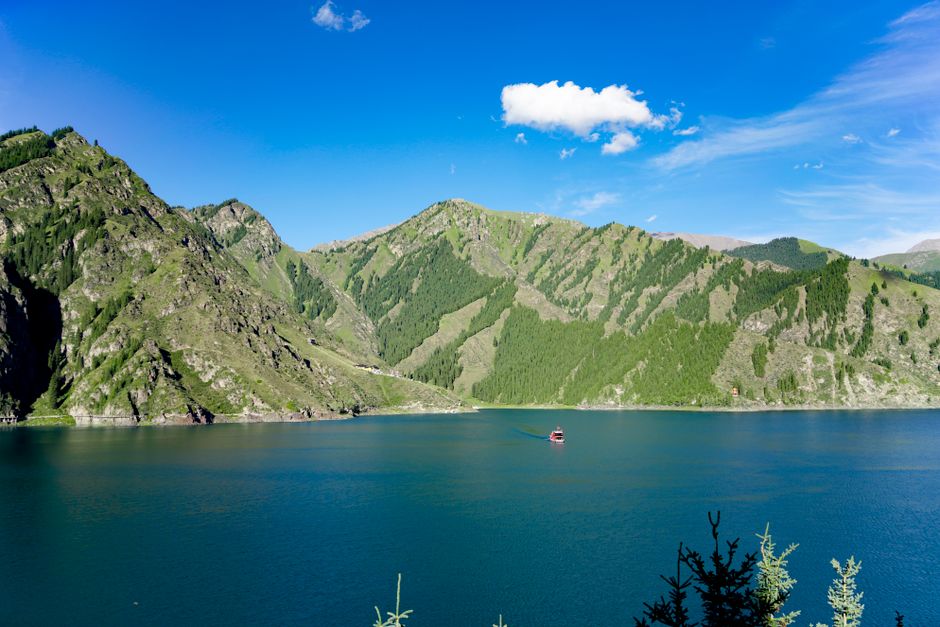
Beyond the cities lie dramatic scenery. The Tian Shan mountains run through the region, offering alpine lakes and hiking. Tianshan Tianchi is a glacial lake nestled high in the range, accessible from Urumqi and popular with domestic Chinese tourists.
Hanas National Nature Reserve in the far north, near the borders with Mongolia, Kazakhstan and Russia, protects coniferous forests, pristine lakes and diverse wildlife. The landscape here is entirely different from the southern deserts—green, well-watered and mountainous.
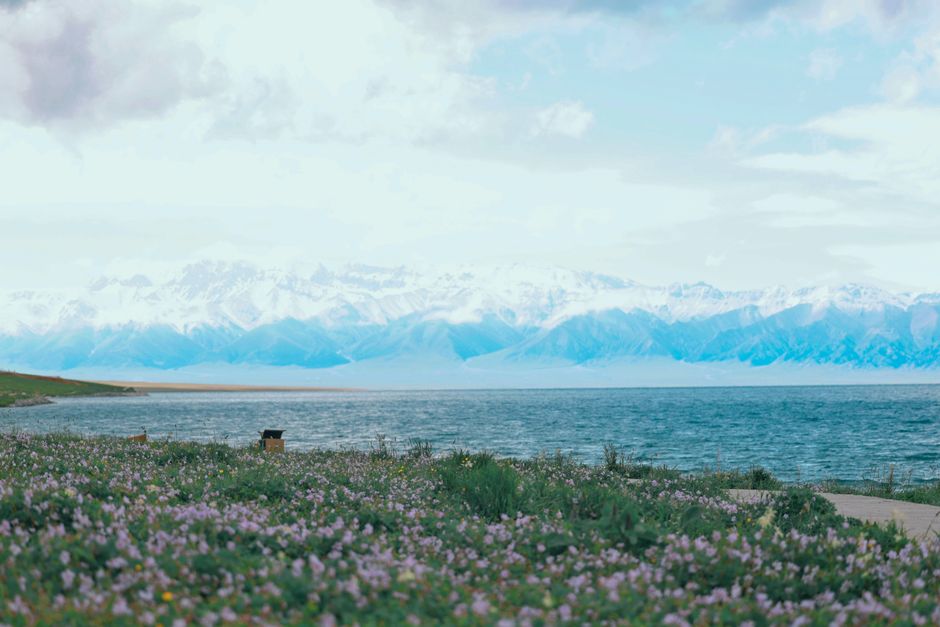
Sayram Lake sits on the border with Kazakhstan at high elevation, surrounded by grasslands and snow-capped peaks. In summer, wildflowers bloom and the water shimmers blue.
The Taklamakan Desert dominates southern Xinjiang—one of the world's largest sand deserts. Its name means "enter and you won't come out" in local languages, though modern roads now cross it.
Who should visit
Xinjiang suits travellers seeking authentic cultural immersion over packaged tourism. The Uyghur tradition of hospitality means visitors often encounter genuine welcome rather than transactional interactions. Market visits, meals in family-run restaurants and conversations with locals reveal daily life far removed from Han Chinese cities.
The region appeals to those interested in history, particularly the Silk Road and the empires that contested this land—from the ancient Han and Tang dynasties to the Mongols to the Qing. Archaeological and historical sites abound.
Nature enthusiasts find varied landscapes: mountains, lakes, desert and grasslands. Seasons matter—summer (June to August) is warm and accessible; winter brings snow to high elevations and extreme cold.
Most Western visitors arrive as part of guided tours rather than independently, partly because the region's infrastructure for foreign tourists is less developed than in eastern China, and partly because small-group tours offer cultural context and logistical ease for first-time travellers to China.
Practical realities
Xinjiang is less familiar to many New Zealand travellers than Beijing, Shanghai or Xi'an. Flights from Urumqi to other Chinese cities are frequent, and the city lies roughly 4,000 kilometres north-west of Auckland.
The region's recent political history means it receives less international tourism than other parts of China. Entry requirements for New Zealand passport holders follow standard Chinese visa rules, though regulations change and should be confirmed with official sources before planning travel.
Food reflects the region's position between China and Central Asia. Uyghur cuisine emphasizes bread, lamb, noodles and rice pilaf (plov), quite different from Cantonese or Sichuan cooking. Fresh fruits—melons, grapes and apricots—are abundant in summer.
The best time to visit is late spring through early autumn (May to September), when mountain passes are open and weather is stable. Winter can be harsh and closes many highland routes.