Best time to visit China: seasons, crowds and holidays
China's climate varies enormously by region. Here's how to plan your trip around the weather, public holidays, and the seasons back home.
Worldway Travel · 27 October 2026
Why timing matters more in China than most destinations
China is roughly the size of the United States, and its climate ranges from tropical in the far south to subarctic in the northeast. Add to that more than a billion domestic travellers moving around the country during public holidays, and timing your visit becomes one of the most important decisions you will make. Get it right and you will find manageable crowds, fair weather and a more relaxed pace. Get it wrong and you may find sold-out trains, packed attractions and accommodation prices that reflect the pressure.
The broad shape of the Chinese year
The most straightforward way to think about China's seasons is to divide the country into a few broad zones.
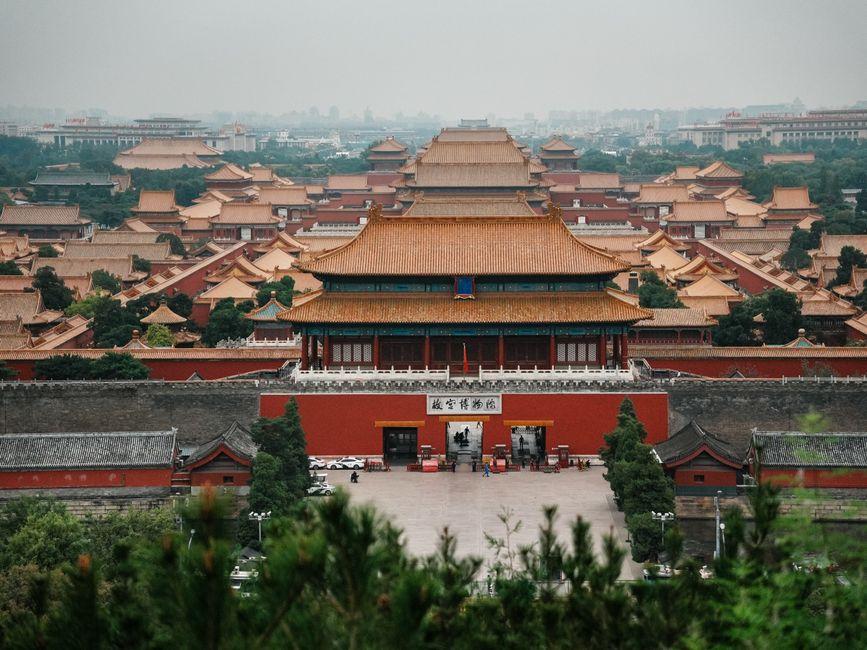
Northern China (Beijing, Xi'an, the Yellow River region) has four distinct seasons. Winters are cold and dry, with temperatures well below freezing in Beijing from December through February. Summers are hot and humid, with July and August also bringing the bulk of the year's rain. Spring and autumn are short but generally pleasant, with mild temperatures and lower humidity — these are widely regarded as the best windows for visiting the north.
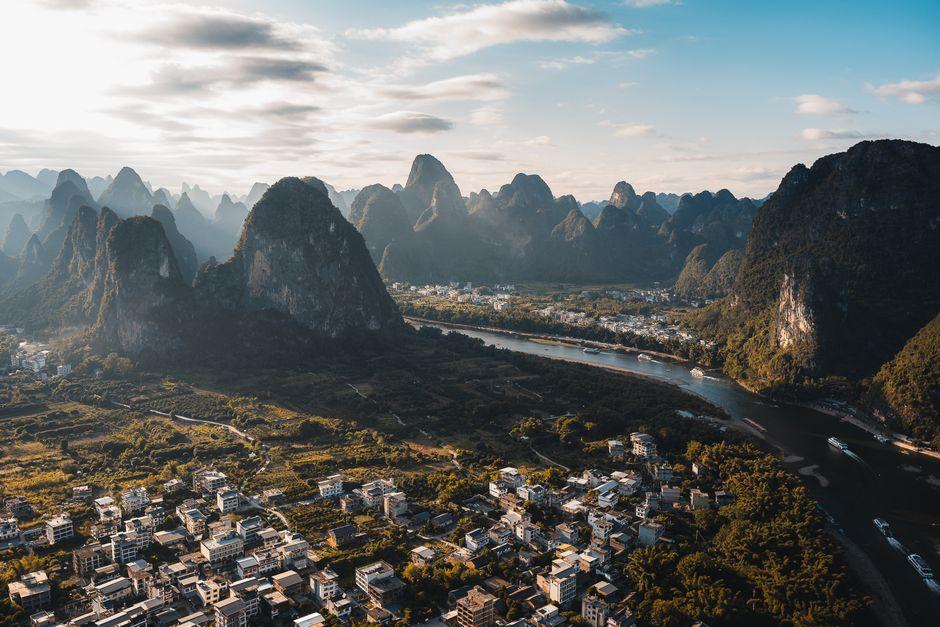
Southern China (Guangzhou, Guilin, Hong Kong) is subtropical. Winters are mild and largely dry, making them an excellent time to visit. Summers, from May through September, bring intense heat and a typhoon season that can disrupt travel along the coast and through the Pearl River Delta.
The Yangtze River corridor (Shanghai, Hangzhou, Chengdu, Chongqing) sits in between. Shanghai has a wet, muggy summer and a damp, grey winter. Sichuan province, further inland, has a famously overcast climate year-round — locals joke that when the sun comes out, the dogs bark at it. Spring and autumn are the most comfortable times here too.
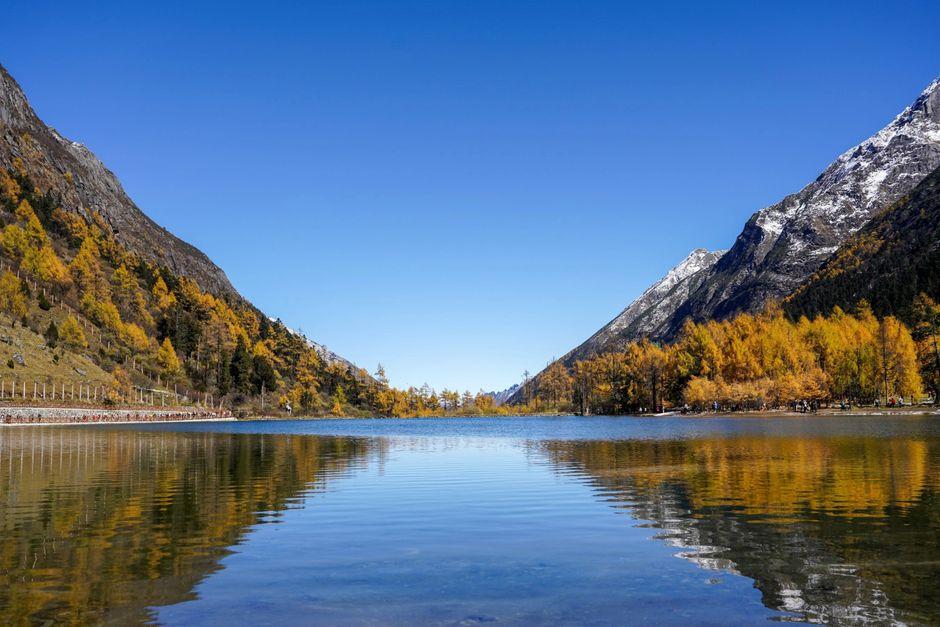
The northwest and Tibet operate on their own schedules. The high plateau of Tibet and Qinghai is only reliably accessible and safe to travel in the warmer months, roughly April to October, and access is subject to permit requirements that change periodically. The deserts of Xinjiang are extreme in both winter and summer; late spring and early autumn are preferred by most travellers.
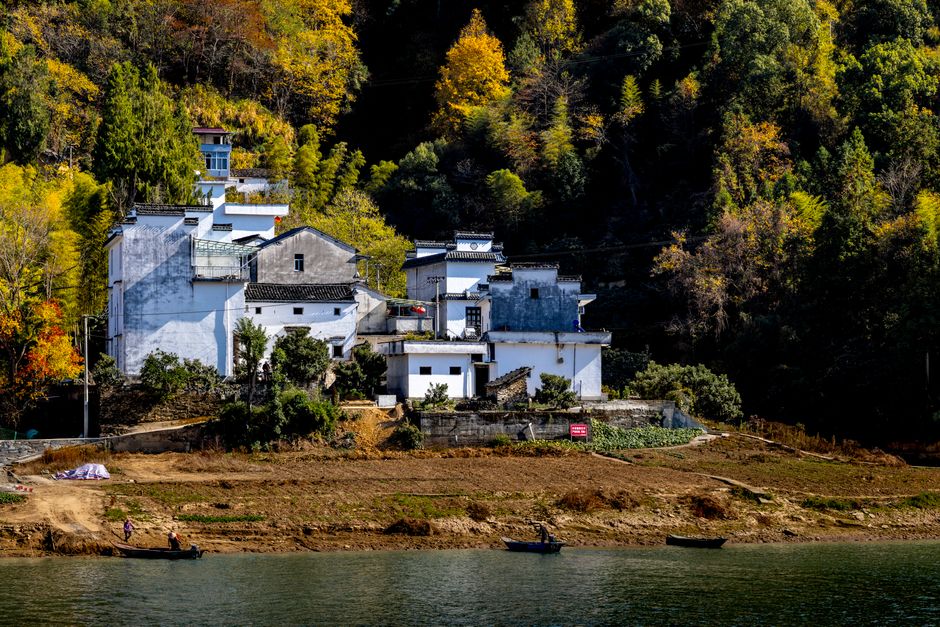
Public holidays that reshape the country
Three periods cause the most significant disruption for travellers, because hundreds of millions of Chinese citizens travel simultaneously.
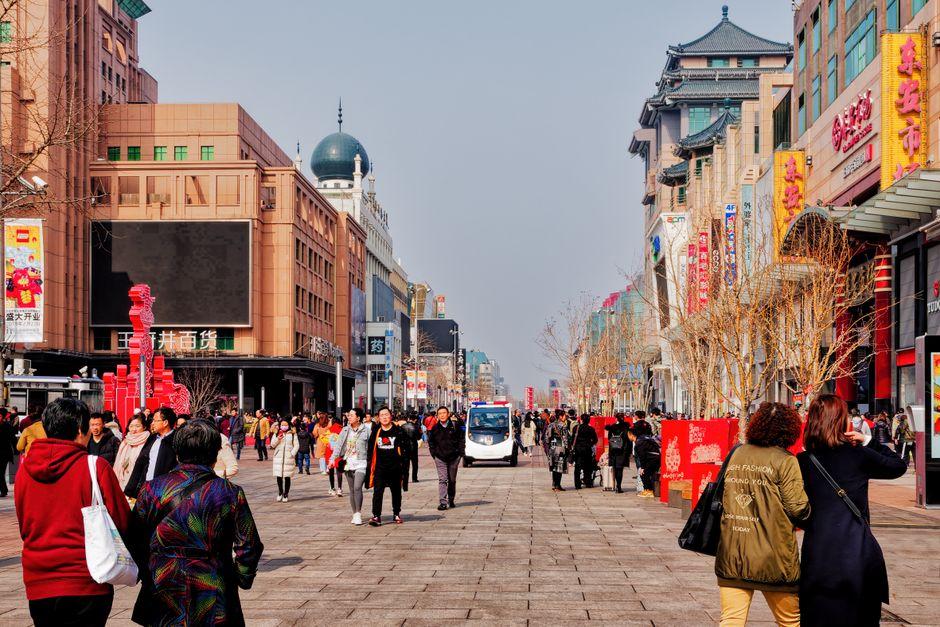
- Chinese New Year (Spring Festival) falls between late January and late February, depending on the lunar calendar. It is the largest annual human migration on earth. Trains and long-distance buses are booked out weeks in advance. Many restaurants, shops and smaller businesses close for up to two weeks. Travelling during this period is genuinely difficult for independent travellers.
- Qingming and the May Day Golden Week sit close together in April and early May, creating a shorter but intense surge of domestic travel, particularly to natural parks and scenic areas.
- National Day Golden Week runs from 1 October for approximately one week. This is the single busiest travel period of the Chinese year. Every major attraction — the Great Wall, West Lake, the Li River — will be crowded well beyond its comfortable capacity. Accommodation books out and prices rise sharply.
If your travel dates overlap with any of these windows, expect a very different experience from what brochure photographs suggest. Many experienced travellers actively plan around these periods.
A guide for New Zealanders: matching your seasons
New Zealand's seasons run opposite to China's, which is worth keeping in mind when you are planning from home. When New Zealand heads into its warm summer from December to February, China's north is at its coldest. When New Zealand's autumn arrives in March and April, northern China is entering one of its best periods for travel — although April also brings the Qingming holiday rush.
The practical upshot for New Zealanders:
- Travelling during the New Zealand school holidays in July puts you into China's hottest and most humid months in the north and centre, and deep into typhoon season in the south. It is manageable but not ideal.
- The New Zealand Easter break (March–April) aligns reasonably well with good conditions in northern and central China, though it falls close to the Qingming holiday period — worth checking the exact dates each year before booking.
- October is often considered the finest month to travel in China, with comfortable temperatures across most of the country and the rice and autumn harvests creating beautiful landscapes. The first week of October is National Day Golden Week, so the second half of the month is generally far preferable.
- November through to early December suits travellers who can travel outside standard school holidays. Northern China grows cold quickly after November, but the south — Yunnan, Guangxi, Guangdong — remains pleasant well into December.
Practical considerations before you book
Weather and crowds aside, there are a few other timing factors worth weighing up.
Entry requirements, including visa arrangements for New Zealand passport holders, change from time to time. Always check the current rules with Immigration New Zealand and the Chinese Embassy in Wellington before making any bookings, as conditions can shift with relatively little notice.
Long-haul flying from Auckland to China takes roughly ten to twelve hours to a connection point, with total journey times often exceeding fifteen hours depending on routing. Arriving in summer heat or winter cold directly off a long flight can be taxing, so building in a recovery day at the start of your itinerary is sensible regardless of when you travel.
Finally, think about what you most want to see. A small-group tour structured around the shoulder months — October (after Golden Week) or April (before the May holiday surge) — will generally offer the best balance of comfortable weather, manageable crowds and a fuller experience of China at its most approachable.