Staying safe and healthy in China: a practical guide
From road crossings to food hygiene, here is what New Zealand travellers need to know to stay safe and well in China.
Worldway Travel · 27 October 2026
What kind of country are you travelling to?
China is, by most measures, a safe destination for international visitors. Violent crime against tourists is rare, and many travellers find day-to-day life in Chinese cities feels safer than home. That said, safety in China involves a different set of considerations than you might face in, say, Australia or Southeast Asia. Understanding those differences before you leave Auckland will make the trip far more relaxed.
The Chinese government operates with significant authority over public life, and some freedoms that New Zealanders take for granted — free speech, access to information, freedom of religion — are curtailed in practice. For the overwhelming majority of visitors who are not involved in political activity or drug use, none of this will affect their holiday. But it is worth knowing the context.
Scams to watch for at tourist sites
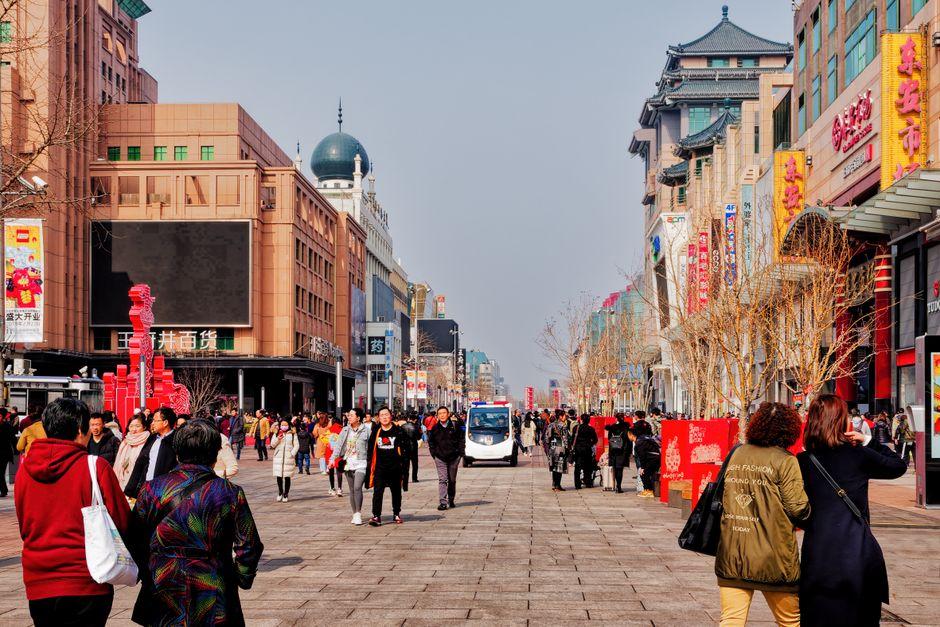
Street crime is uncommon, but scams aimed at tourists do operate in busy areas, particularly in the well-known districts of Beijing and Shanghai. A few patterns are worth recognising.
The friendly English speaker. Most Chinese people do not speak English. If someone approaches you in a tourist area, speaks good English, and is enthusiastic about taking you to a particular teahouse, gallery or restaurant, be cautious. This is a well-documented setup that typically ends with a very large bill.
Inflated prices in teahouses and bars. High prices are not always a scam — tea can be genuinely expensive in quality establishments — but if you are ushered somewhere by a stranger, expect to pay well above the going rate.
Unofficial taxis. At airports and railway stations, touts sometimes offer private taxi rides. Avoid them. Use the official taxi rank or a ride-hailing app such as Didi (滴滴).
Accident scams. These are not commonly directed at foreign visitors, but if you witness or are involved in a road incident, be thoughtful before intervening. Some scammers exploit the instinct to help.
If you believe you have been scammed, call 110 (the police number) immediately. One useful tool: in China you have a legal right to request a fapiao (发票), an official tax receipt. Legitimate businesses must provide one. A refusal is a strong sign that something is wrong.
Crossing the road safely
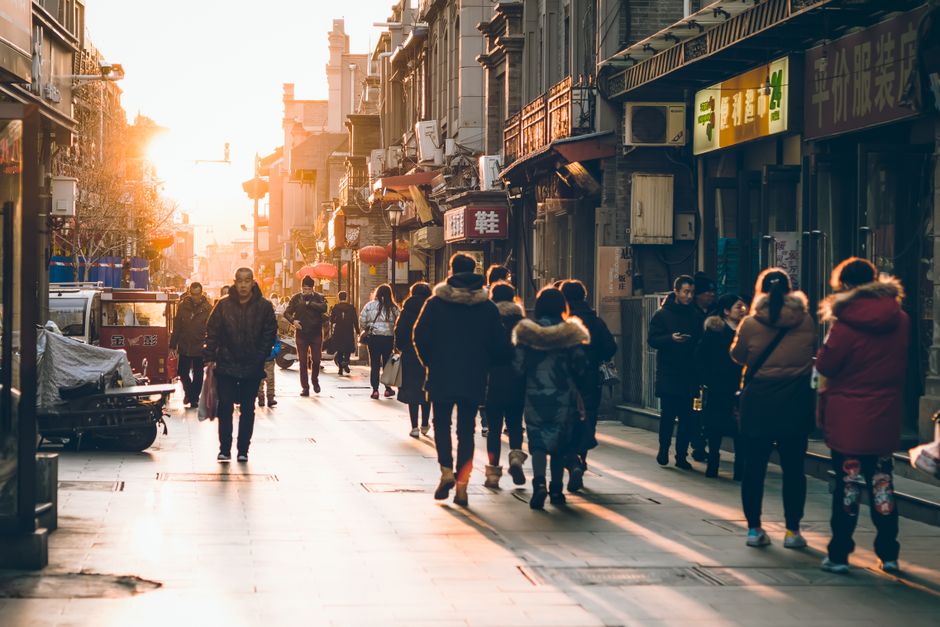
Traffic in Chinese cities can be confronting for New Zealanders, particularly in the first day or two. Cars may turn right on a red light without stopping. Pedestrian crossings indicate where people tend to cross rather than where vehicles must yield. Cyclists and electric scooters — which are nearly silent — treat intersections as shared spaces where everyone moves at once.
The practical advice is to watch what local pedestrians do and move with the flow. Cross with awareness rather than waiting for a gap that may never come. Electric vehicles now make up a large share of traffic in Chinese cities and are harder to hear approaching, so look both ways even on what appears to be a quiet side street.
Renting a car is not practical for visitors; getting a Chinese driving licence is a complex bureaucratic process, and the traffic environment is genuinely challenging even for experienced drivers.
Air quality and altitude
Air quality varies considerably across China. Industrial cities in the north and interior can have significant air pollution, particularly in winter when coal heating increases. On days with heavy smog, people with respiratory conditions may want to limit time outdoors or wear a quality filtered mask. Checking a local air quality index (AQI) app during your visit is a sensible habit.
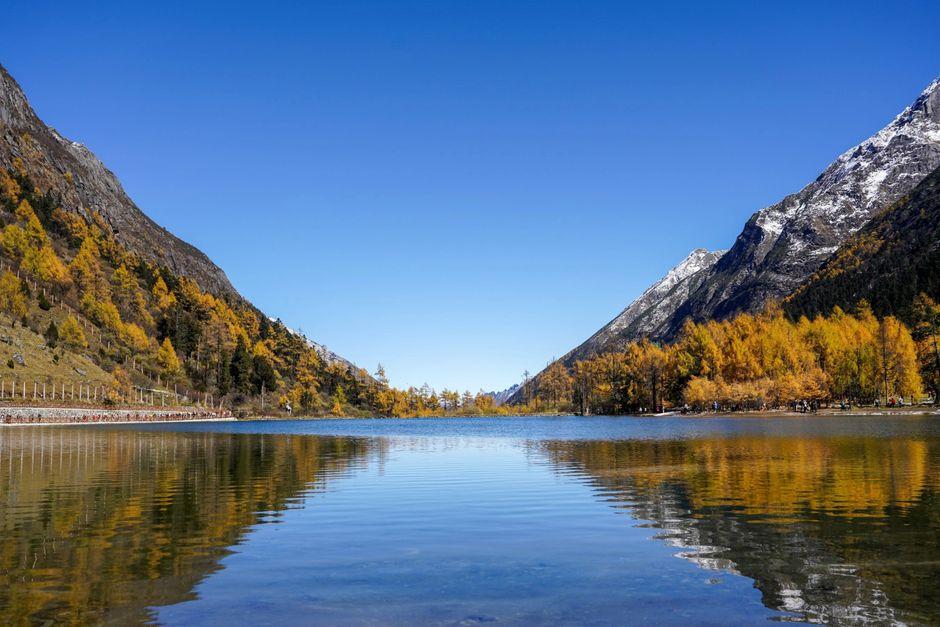
Altitude is a separate concern for travellers heading to Tibet or parts of Yunnan and Sichuan. At elevations above 3,500 metres, altitude sickness is a real risk regardless of age or fitness. Symptoms include headache, nausea and fatigue, and they can develop within hours of arrival. Acclimatising gradually, staying well hydrated, and avoiding alcohol in the first couple of days helps. Anyone with a heart or lung condition should discuss high-altitude travel with a doctor before leaving New Zealand.
Food, water and general health
Tap water in China is not safe to drink without boiling. Bottled water is widely available and inexpensive, and hotels consistently provide flasks of boiled water. This applies to brushing teeth in areas where water quality is uncertain.
Food safety in restaurants is generally reliable, and street food is popular with locals and visitors alike. A few common-sense habits help:
- Choose busy stalls where food is cooked fresh and turnover is high.
- Be more cautious with raw or lightly cooked shellfish, particularly in summer.
- Wash hands frequently, especially before eating.
Stomach upsets do happen, and it pays to carry basic remedies from home. Your New Zealand pharmacist can advise on what to pack.
Medical care and travel insurance
Good hospitals exist in major Chinese cities, and some have international wards with English-speaking staff. Outside large cities, English-language medical care becomes much harder to find. Carry a list of any prescription medications you take, including their generic (non-brand) names, as some products available in New Zealand may not be stocked in China.
Travel insurance that includes medical evacuation is strongly recommended. Medical costs for a serious illness or injury can be a very large share of the total trip cost without cover, and medical evacuation to New Zealand from China is extremely expensive. Check that your policy covers the specific activities you plan to do, including any high-altitude trekking.
Visa and entry requirements for New Zealand passport holders change periodically. Always check current rules with the Chinese Embassy in Wellington or the New Zealand Ministry of Foreign Affairs and Trade before booking travel.