Chengdu: what to expect from China's laid-back megacity
Southwest China's largest city blends relaxation, culture and nature. Home to giant pandas and surrounded by mountains, Chengdu suits first-time visitors seeking authentic experiences.
Worldway Travel · 29 October 2026
A megacity with a different pace
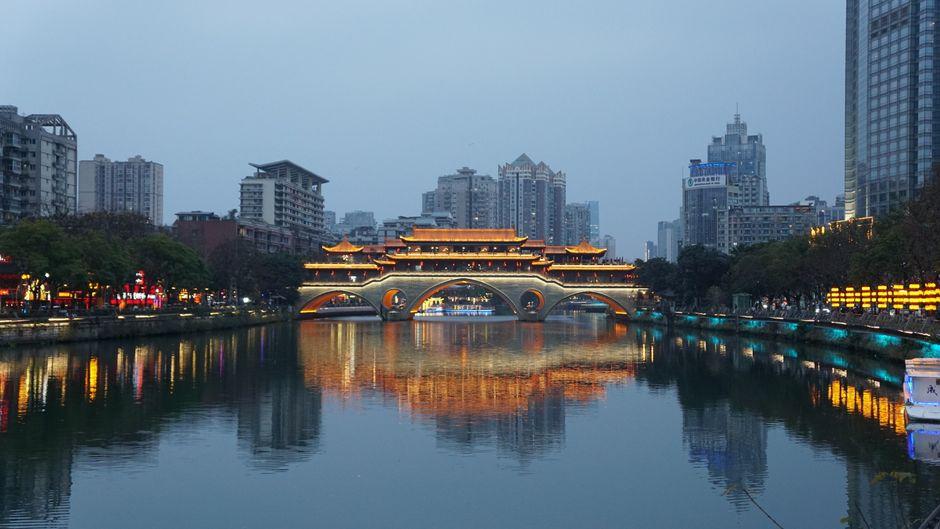
Chengdu is the capital of Sichuan Province and one of China's largest cities, with a population exceeding 21 million. Yet visitors often remark that it feels less frenetic than other major Chinese cities. The local reputation for emphasising culture, leisure and good food gives Chengdu a different character from Beijing or Shanghai. Parks, teahouses and green spaces are woven throughout the urban landscape, and the city has earned the nickname "Heavenly Land of Plenty" because of its position in one of China's most fertile agricultural regions.
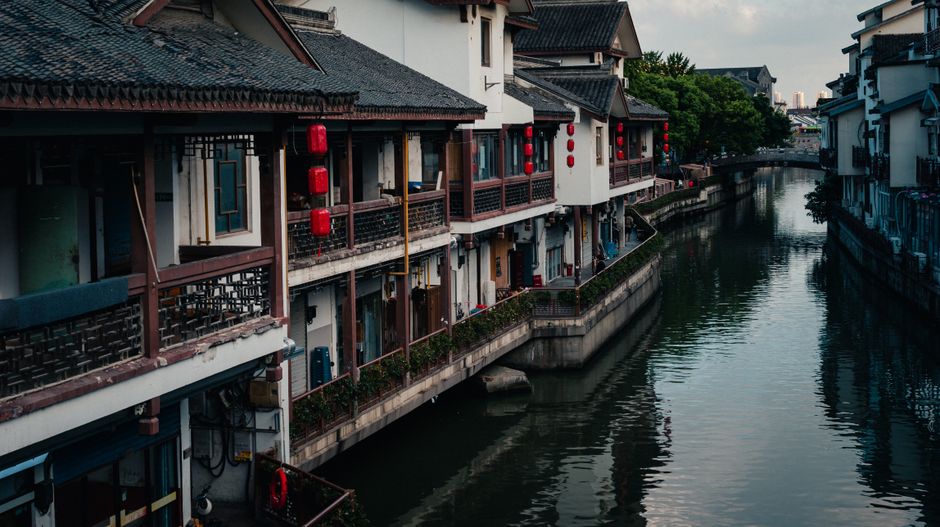
The Funan River runs through the city centre, though the busy boat traffic that once defined riverside life has largely disappeared since the 1960s. Today, the river and its parks are mainly used for walking and relaxation rather than transport.
What draws visitors here
The main draw is the Chengdu Research Base of Giant Panda Breeding, located just outside the city. Seeing giant pandas in a sanctuary setting is a highlight for most travellers and a good introduction to Chengdu itself.
Beyond pandas, the city offers a strong cultural scene, modern architecture in its large central districts, and a noteworthy nightlife. There is a visible and welcoming LGBT community with bars and clubs concentrated in the downtown area, which may be relevant for some travellers.
The location also matters: Chengdu serves as a gateway to the mountains of western Sichuan and the Tibetan Plateau, which lie just an hour to the west. Many travellers combine a few days in Chengdu with trips to mountain regions, making it a practical base for exploring the southwest.
Understanding the weather and seasons
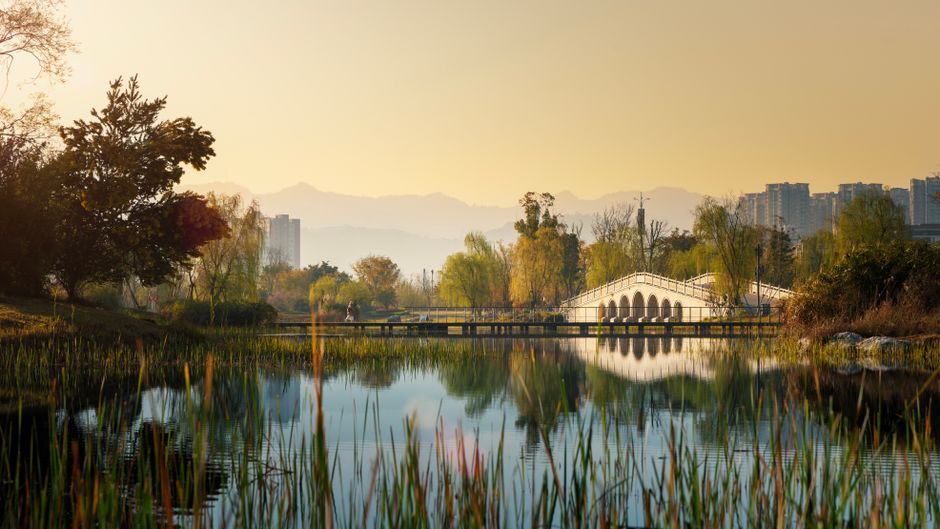
Chengdu sits in the Red Basin, surrounded by low mountains to the east, which traps moisture and creates a distinctive climate. The city is famously foggy and cloudy most of the year, so visitors should not expect sunny weather or a tan. Temperatures are usually warmer than coastal Chinese cities.
Summer (June to August) is hot and humid, which can feel uncomfortable for sightseeing. Winter (December to February) is mild but damp and grey. Spring (March to May) and autumn (September to November) are the most pleasant times to visit, with comfortable temperatures and slightly clearer skies, though fog remains common.
New Zealand travellers arriving during the Northern Hemisphere winter will find Chengdu's climate quite different from home—mild rather than cold, but grey and damp rather than sunny.
Getting there and around
Chengdu has two airports. The newer Tianfu International Airport, about 50 kilometres southeast of the city centre, is increasingly used for international flights. The older Shuangliu Airport, closer to the centre, handles more domestic routes. Both airports connect to the city via metro lines, shuttle buses or taxis. The metro journey from Tianfu Airport takes about 50 minutes; from Shuangliu, about 30 to 40 minutes.
The city also has rail connections from other major cities including Kunming, Chongqing and Xi'an. Train stations connect directly to the metro system.
Once in Chengdu, the metro is the main public transport. The system is modern, relatively easy to navigate, and accepts international payment methods (Wechat and Alipay) at ticket machines, which have English-language options.
Who Chengdu suits
Chengdu works well for first-time visitors to China who want a large city experience without the intensity of Beijing or Shanghai. The emphasis on parks, teahouses and relaxation appeals to travellers aged 50 or over. The giant panda base attracts families and anyone with an interest in wildlife.
The city's cultural institutions, nightlife and food scene (Sichuan cuisine is famous throughout China) suit visitors who want more than just sightseeing. The proximity to mountain scenery appeals to those planning a longer trip that combines urban and natural experiences.
The generally lower pace and friendly local culture make Chengdu a good foundation for anyone visiting southwest China for the first time, whether travelling independently or as part of a guided group.