Visiting Shanghai: where East and West blend
Shanghai is China's most developed city and a striking blend of modern skyscrapers, colonial architecture and Chinese heritage. It suits first-time visitors and those wanting to explore contemporary urban China.
Worldway Travel · 28 October 2026
A city shaped by two worlds
Shanghai's character comes from its unusual history. In the 19th and early 20th centuries, Western powers controlled designated districts called concessions, during which time European and American traders built large parts of the city to suit their tastes. Walk through Shanghai today and you will see British colonial buildings standing next to French-style mansions, American Art Deco skyscrapers, and Chinese structures that blend Eastern and Western design. Few cities in the world offer this particular combination of architectural styles all in one place. The result feels neither wholly Asian nor wholly Western, but distinctly Shanghai.
This historical layer gives the city an atmosphere quite different from other major Chinese cities. Many of Shanghai's neighbourhoods retain the older shikumen houses—traditional Chinese courtyard homes redesigned with European touches—some now converted to restaurants, galleries and small hotels that let you experience that blend firsthand.
The two Shanghais across the river
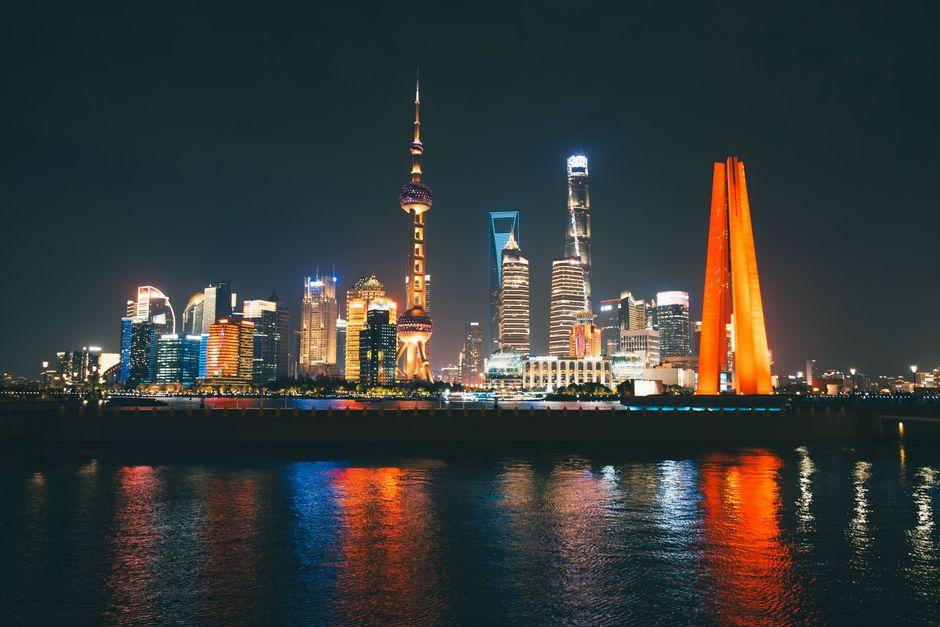
The Huangpu River divides Shanghai into two very different halves. On the west bank, known as Puxi, sits the older downtown area where most of Shanghai's historic sites and traditional character remain. On the east bank, Pudong, lies the newer Shanghai—a forest of gleaming high-rises, shopping centres and financial buildings that have sprung up mainly since the 1990s. The contrast between these two sides is dramatic and worth experiencing.
Most first-time visitors base themselves in downtown Puxi, where the metro system and walking routes connect the main attractions easily. The Bund—the waterfront promenade lined with colonial-era buildings—offers views across to Pudong's skyline and serves as a natural gathering point for exploring the city. From here you can wander into the streets behind, discovering smaller temples, markets and cafes tucked between the grand facades.
What to see and experience
Shanghai's scale means you will not run out of things to explore, but a focused trip can cover the main sights in several days. The Bund and its adjacent areas offer colonial architecture and river views. The Yu Garden, a classical Chinese garden with walls and pavilions, provides a peaceful contrast to the busy streets around it. Nearby, the old city wall area preserves narrow lanes and local shops. Museums throughout the city cover everything from modern art to the history of the Chinese Communist Party.
Pudong's attractions draw visitors too. The Oriental Pearl Tower, a needle-like structure on the skyline, offers viewing platforms high above the city. The financial district's architecture interests those who want to see contemporary China at work. Shopping and dining throughout Shanghai range from international luxury brands to local street food and traditional restaurants.
Beyond the downtown core, Shanghai spreads into suburban districts, many with their own character. These areas are less touristy, offer cheaper accommodation and restaurants, and give a sense of how Shanghai residents actually live. The city's metro system, among the world's largest, makes it straightforward to venture into these neighbourhoods.
The seasons and when to visit
Shanghai lies in the Yangtze River Delta, where summers are hot and humid, with temperatures often reaching 30°C or higher. Winters are cool and sometimes damp but rarely freezing. Spring (March to May) and autumn (September to November) offer the most comfortable weather for sightseeing. If you are travelling from New Zealand during your spring or autumn, Shanghai's seasons will be opposite: their spring arrives as your autumn ends, and their autumn begins as your spring finishes.
The city attracts visitors year-round, so accommodation and tours book up well in advance, particularly during Chinese New Year and golden week holidays (early October), when many Chinese people travel domestically.
Who Shanghai suits
Shanghai works well for first-time visitors to China. It is easy to navigate, English signage appears in the metro and tourist areas, and international facilities abound. Those interested in history will find the colonial architecture and museums rewarding. People wanting to see modern, developed China—finance, fashion, shopping and contemporary art—find Shanghai very different from rural or ancient parts of the country.
The city's size can feel overwhelming, but breaking it into neighbourhoods and focusing on one or two areas per day makes it manageable. Joining a guided group tour removes the navigation challenges and adds local knowledge about the buildings, streets and cultural details that make Shanghai distinctive.