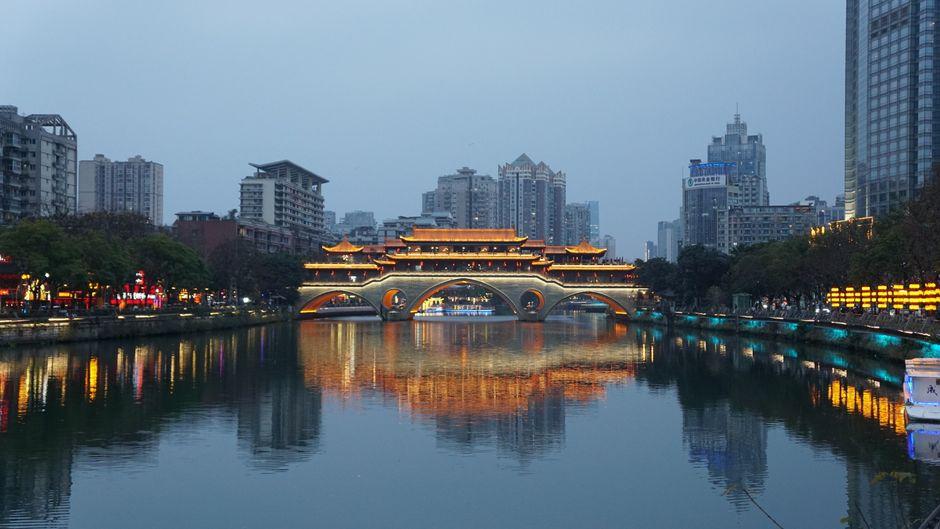
Guilin: limestone mountains and river journeys in southern China
Guilin is southern China's most scenic city, surrounded by dramatic karst peaks and rivers. It makes an ideal base for exploring the region's rice terraces, caves and traditional landscapes.
Worldway Travel · 29 October 2026
What draws travellers to Guilin
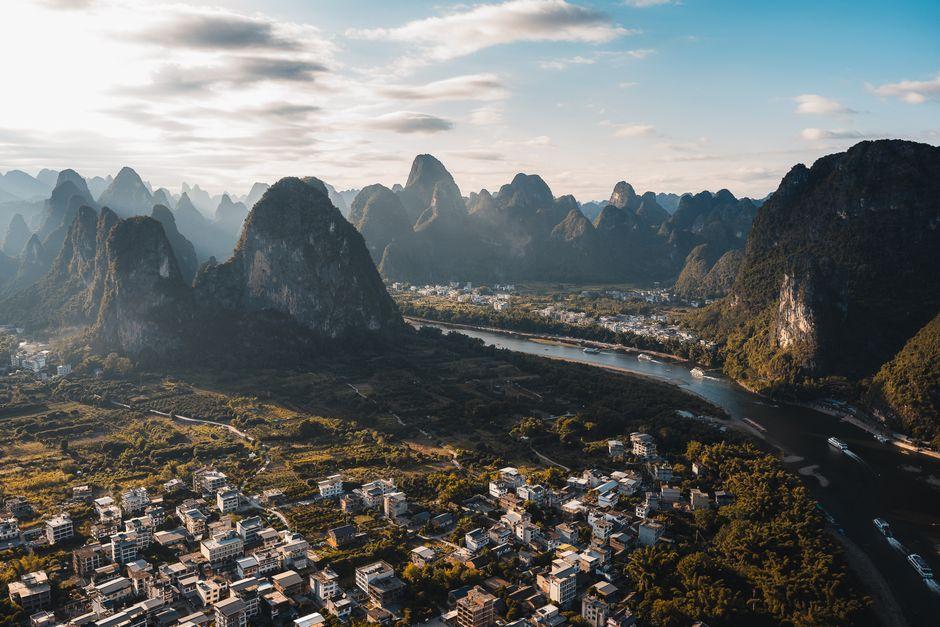
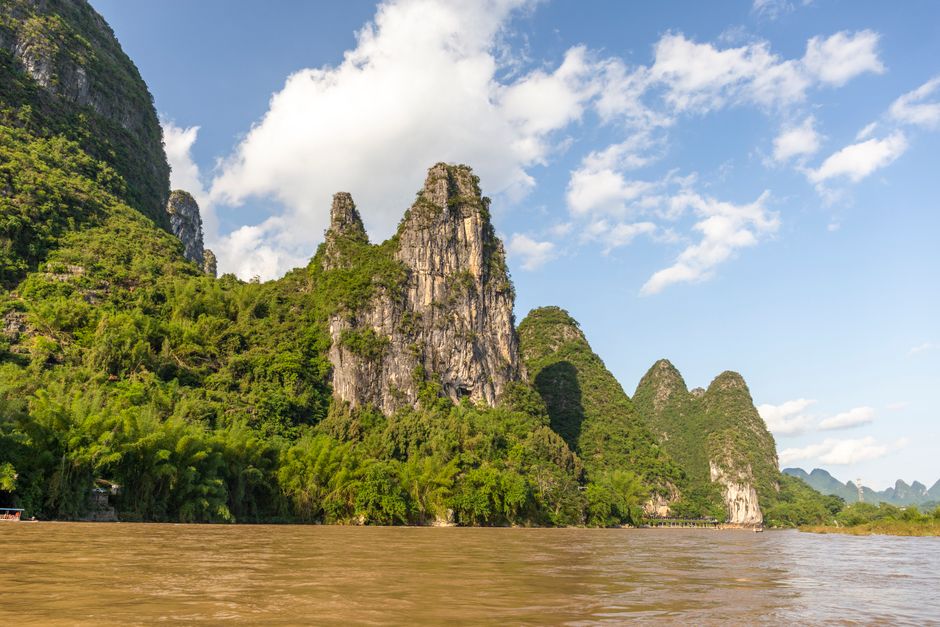
Guilin sits in Guangxi province in southern China, about 1,600 kilometres south-west of Beijing. The city earned its reputation as one of China's most beautiful destinations not by accident: the landscape around it is genuinely striking. Sheer limestone mountains rise directly from the earth, their distinctive shapes carved by water erosion over millions of years. These formations, known as karst terrain, have captivated Chinese artists and poets for centuries—one iconic river scene near Guilin even appears on the back of the twenty-yuan bank note.
The city itself is relatively compact and clean compared to many Chinese urban centres. Two rivers and four lakes wind through the middle, while those dramatic mountains puncture the skyline. What makes Guilin special is not the city alone but its position as a gateway to extraordinary countryside. Within easy reach lie some of China's most photographed landscapes: misty river valleys, rice terraces climbing steep hillsides, and villages that have changed little in decades.
The surrounding region and main attractions
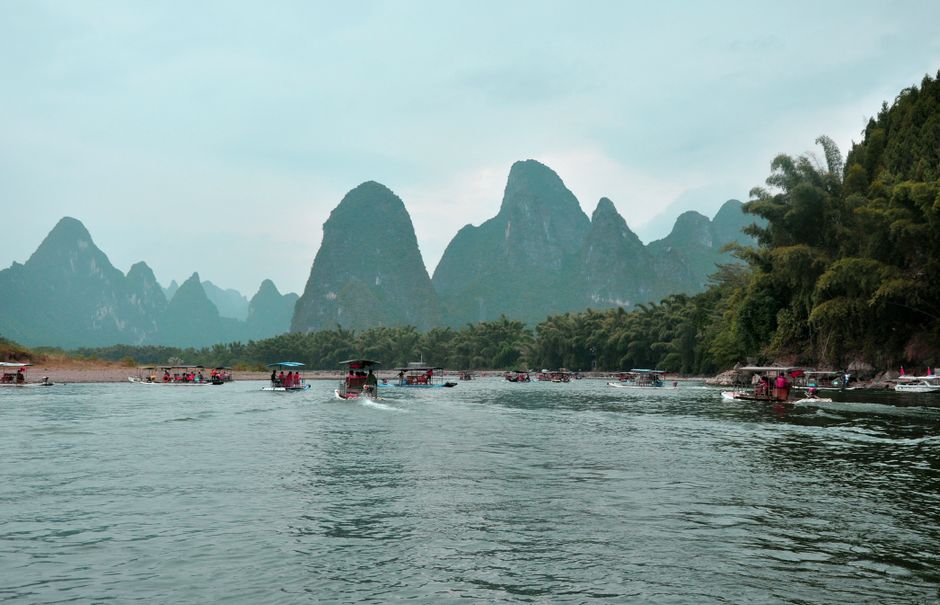
Yangshuo lies downstream from Guilin along the Lijiang River, a journey many travellers make by raft or boat. The small county town has become popular with both international visitors and Chinese tourists. The river itself, with its bamboo groves and water buffalo, represents the traditional rural China that many first-time visitors hope to see.
Further afield, Longsheng offers the Longji rice terraces, where farmers have sculpted mountainsides into thousands of stacked paddies. The patterns are particularly striking in spring when water fills the terraces, creating a mirror-like effect, or in autumn when the rice ripens to gold.
The karst landscape also created numerous caves suitable for visiting, and the steep cliff faces attract rock climbers from around the world. For those seeking outdoor activity beyond sightseeing, these options exist.
The people and cultural context
Guangxi province has always been somewhat separate from China's heartland, cut off by the Nan Mountains from the great river valleys to the north. This isolation shaped its history differently. The Han Chinese empire expanded here around the 3rd century BC, establishing trade routes that grew over centuries. Guilin itself dates back to around the 1st century BC as a trading post.
The region is home to twelve ethnic minorities alongside the Han Chinese majority. The Zhuang people are particularly numerous—so much so that Guangxi is officially an autonomous region rather than a province. Other groups, including the Dong people, live in the surrounding areas. For visitors, this cultural diversity means the region feels distinct from eastern China, with its own architecture, food traditions and local customs.
Getting there from New Zealand
Guilin Liangjiang International Airport receives daily flights from major Chinese cities and some connections from other parts of Asia. Most New Zealand travellers will fly from Auckland to a major hub such as Shanghai, Beijing or Guangzhou, then take a domestic flight to Guilin—a journey typically requiring at least one overnight stop. Direct international flights from New Zealand to Guangxi province do not operate, so allow extra time for connections.
From the airport, several transport options lead into the city. An airport bus is the most economical choice, though it waits until reasonably full before departing, which can mean a short delay. Airport taxis offer a more direct route but cost significantly more. Most hotels can arrange airport collection if booked in advance.
Trains also connect Guilin to other Chinese cities. The main central station is Guilin Station on Zhongshan Nanlu; however, some services terminate at Guilin North Station or Guilin West Station, both further from the city centre. When booking train travel, confirm which station your service uses.
Best times to visit
Guilin's climate follows China's seasonal pattern, opposite to New Zealand's. Spring (March to May) and autumn (September to November) offer the most pleasant weather—warm days, lower humidity and clearer skies for mountain views and photography. Summer can be hot and wet, while winter is cool but generally manageable for outdoor activities.
Peak tourist season coincides with these shoulder months and Chinese public holidays. Travellers seeking fewer crowds might consider early spring or early winter, accepting cooler temperatures or occasional rain in exchange for quieter landscapes and simpler restaurant reservations.
Who Guilin suits
Guilin appeals to a wide range of travellers. Photographers find endless subjects in the mountains, rivers and terraced fields. Those interested in Chinese landscape painting and aesthetics can visit sites that inspired centuries of artists. Outdoor enthusiasts can hike, climb, or kayak. Visitors with limited time appreciate having major sights within short reach of a single city base.
First-time visitors to China often find Guilin less overwhelming than megacities like Shanghai or Beijing, while still offering authentic encounters with both rural life and a functioning Chinese city. Its popularity with Chinese domestic tourists means good tourist infrastructure without feeling entirely developed for foreign visitors. For travellers aged 50 and over seeking manageable distances and a slower pace than a full national tour, Guilin makes a logical choice for a week-long regional focus.