Chongqing: China's rising megacity in the interior west
A sprawling riverside metropolis of 30 million people and a major transport hub for exploring western China, Chongqing offers dramatic modern architecture, UNESCO-listed rock carvings and Yangtze River cruises.
Worldway Travel · 31 October 2026
A city emerging on the world stage
Chongqing is not yet as well known overseas as Beijing or Shanghai, but it has undergone a dramatic transformation in recent years. The city's futuristic downtown has attracted international attention, and its population and economic importance continue to grow rapidly. As one of China's four central municipalities (the others being Beijing, Shanghai and Tianjin), Chongqing operates directly under the national government rather than as part of a province. It sits in the interior west, the only such municipality not on the coast, and maintains strong cultural and linguistic ties to neighbouring Sichuan Province.
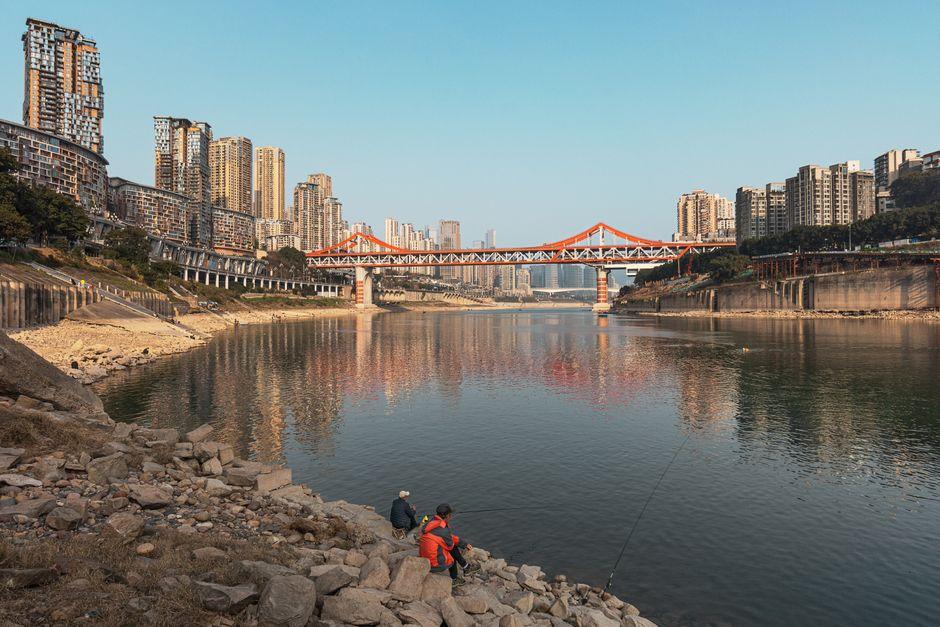
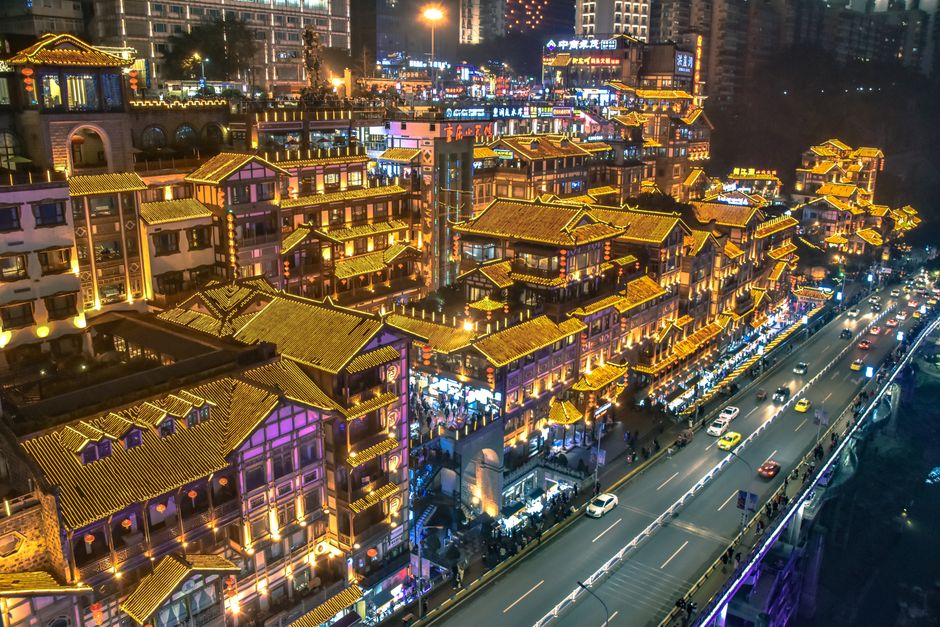
The urban core that most visitors see is home to around 8.8 million people, but the Chongqing Municipality extends across 80,000 square kilometres of countryside and smaller towns, encompassing approximately 30 million residents altogether. This scale can be hard to grasp until you arrive and see the sprawl of high-rises climbing the steep hills on either bank of the Yangtze River.
What draws travellers to Chongqing
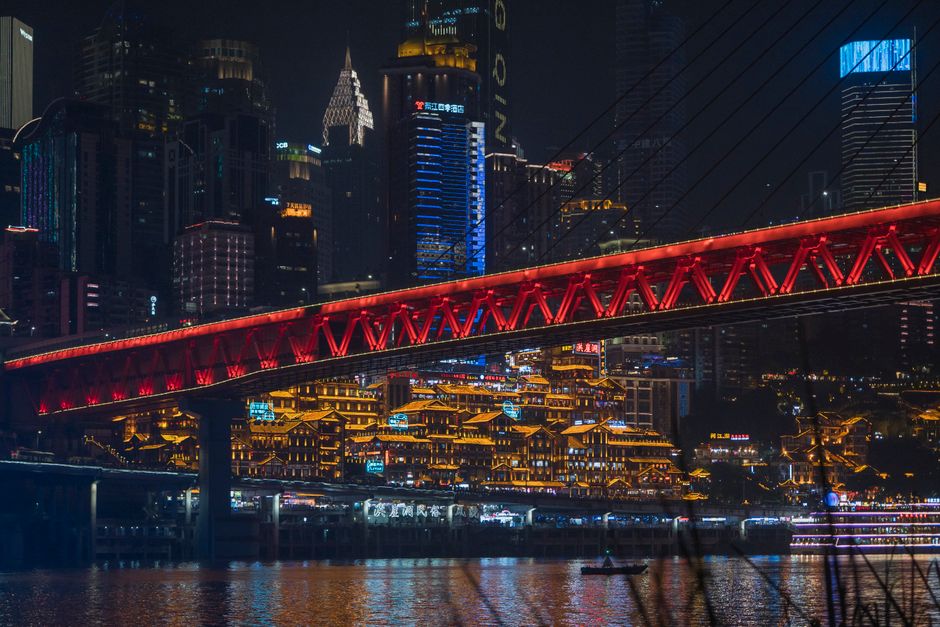
The city functions as an essential transport and logistics hub for exploring western and central China. Most visitors pass through on their way to somewhere else, but an increasing number are staying longer to experience the city itself. The dramatic skyline reflected in the Yangtze makes for striking photographs, and the modern architecture appeals to those interested in contemporary urban development. The food scene reflects Sichuan's famous spicy cuisine, particularly hot pot, which many visitors want to try in its heartland.
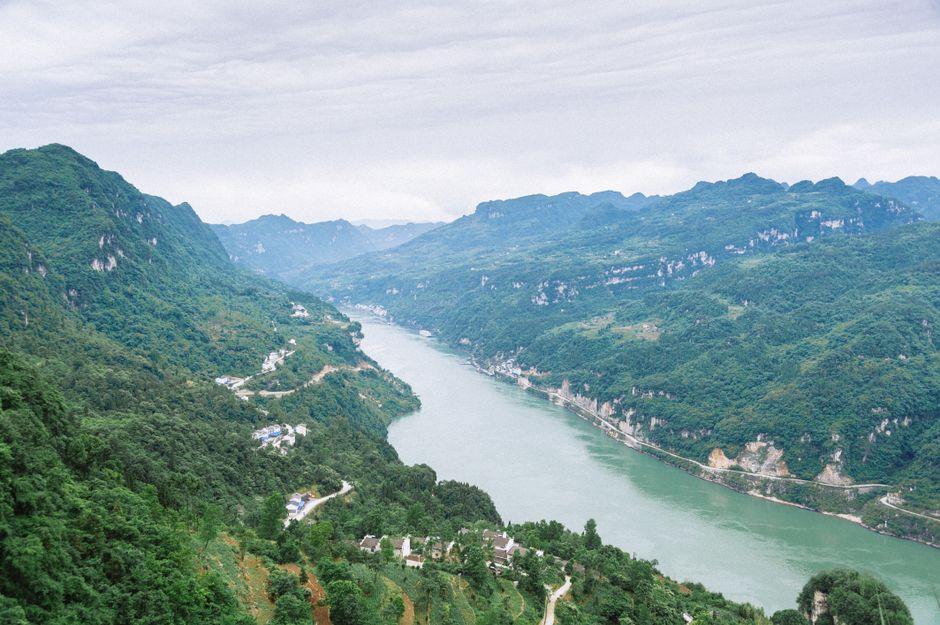
Beyond the urban core, Chongqing Municipality contains several worthwhile excursions. The most celebrated is a boat journey down the Yangtze River through the Three Gorges, one of China's most spectacular natural passages. The Dazu Rock Carvings, about three hours west of the city centre, rank among the world's most important Buddhist sculptures and carry UNESCO World Heritage status. For those interested in twentieth-century history, the city's role as China's wartime capital during the Japanese invasion adds depth to a visit.
Getting there
Chongqing Jiangbei International Airport (IATA code CKG) serves both international and domestic flights, with connections from major cities across Asia, Europe, the Middle East, North America and Oceania. The airport sits about 21 kilometres northeast of the city centre. The metro system runs from both terminals to downtown, or visitors can catch an airport shuttle bus or taxi. The journey by metro takes longer but costs significantly less than a taxi.
For those arriving by train, Chongqing sits on several major rail routes. High-speed trains connect it to Chengdu in around 90 minutes and to Beijing in approximately 12 hours. The city has three main train stations: Chongqing North handles most high-speed services, while Chongqing West and the newer Chongqing East also serve major routes. Long-distance buses are frequent and inexpensive, with regular services to neighbouring cities like Chengdu.
The layout and what to expect
Chongqing's urban area sprawls across eight districts and zones, built on steep hillsides on either side of the Yangtze. The terrain is hilly and sometimes challenging to navigate on foot, though the metro system is extensive. The city can feel overwhelming in scale, with continuous construction and heavy traffic common during peak hours.
Climate is an important consideration. Chongqing experiences hot and humid summers, typical of the region. From October through March, smog and air quality can be problematic, particularly for those with respiratory sensitivities. If travelling during the cooler, clearer months is possible, spring (April to June) and early autumn (September) generally offer more pleasant conditions.
Who finds Chongqing rewarding
Chongqing appeals most to travellers interested in contemporary China and urban development rather than historic sites or rural landscapes. Those using the city as a base for Yangtze River cruises or as a stepping stone to other parts of western China will find it a logical and well-connected stop. Food enthusiasts drawn to authentic Sichuan cuisine, especially hot pot, will find abundant opportunities here.
First-time visitors to China sometimes find Chongqing's sheer scale and pace less immediately welcoming than smaller heritage cities, but those with patience and an interest in how modern China functions discover plenty of interest. The city works best as part of a longer itinerary rather than a destination in itself, allowing time to explore the surrounding region and understand its role as a gateway to the interior west.