The Great Wall: history, sections and what to expect
Stretching thousands of kilometres across northern China, the Great Wall is less one structure than a series of walls built over two millennia. Different sections offer vastly different experiences.
Worldway Travel · 30 October 2026
What the Great Wall actually is
The Great Wall is not a single structure built at one time, but rather a series of defensive walls constructed across northern China by different dynasties over roughly 2,000 years. The wall runs through provinces from Liaoning in the northeast through Hebei, Tianjin, Beijing, Inner Mongolia, Shanxi, Shaanxi and Ningxia into Gansu in the west.
Most travellers assume they know what they are visiting until they learn that what they see depends entirely on which section they choose. The wall exists in vastly different states: some sections are excellently preserved, while others are substantial ruins. The most photographed parts—the dramatic sections near Beijing—date from the Ming Dynasty (1367–1644) and are heavily restored. Older sections further west are more rugged or deteriorated.
Four dynasties, four walls
The earliest Great Wall was built by the Qin Dynasty around 214 BC, ordered by Emperor Qin Shi Huang after he unified China for the first time. The project took 32 years and involved 500,000 labourers. Its purpose was to block raids by northern nomadic groups, and it was built near what is now Shaanxi Province.
The Han Dynasty (which followed the Qin) saw the value in the wall and extended it substantially, pushing it far westward through the Hexi Corridor—a crucial trade route. These extensions eventually reached into what is now Gansu Province and beyond.
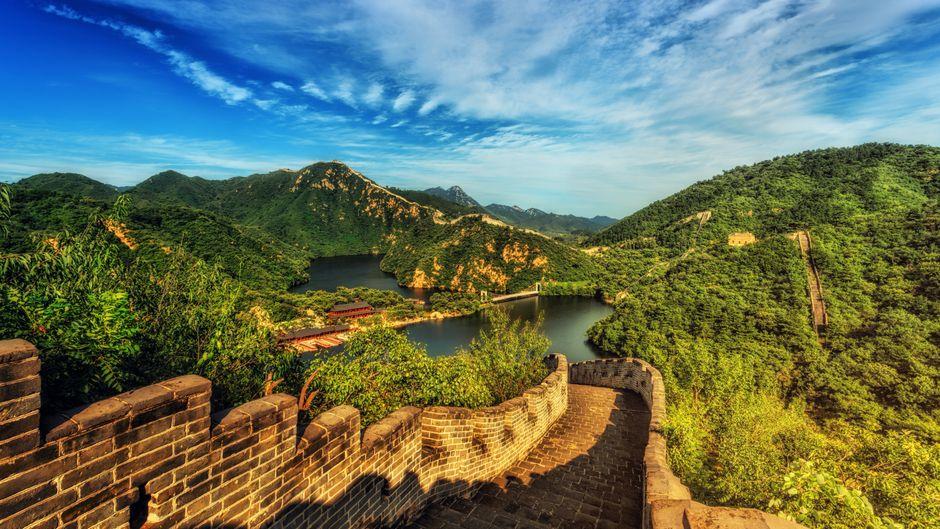
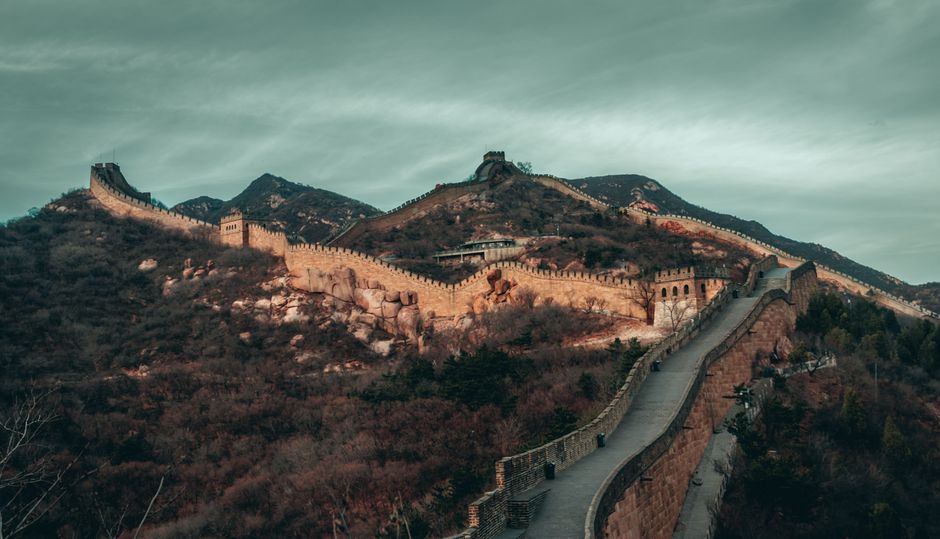
After centuries of neglect and breach, the Jin Dynasty (around 1200 AD) built a third wall in the northeast. But the most substantial and famous sections were constructed by the Ming Dynasty between roughly 1369 and 1583, particularly after a decisive battle with the Mongols around the mid-1500s. This Fourth Great Wall is what most photographs show: the brick and stone structure with crenellations and watchtowers that visitors encounter near Beijing.
After the Qing Dynasty took power in 1644, the wall gradually fell into disrepair. Stone was taken for local building projects. It was not until 1984 that large-scale restoration began under Deng Xiaoping, and in 1987 UNESCO named it a World Heritage Site.
Where to visit and what to expect
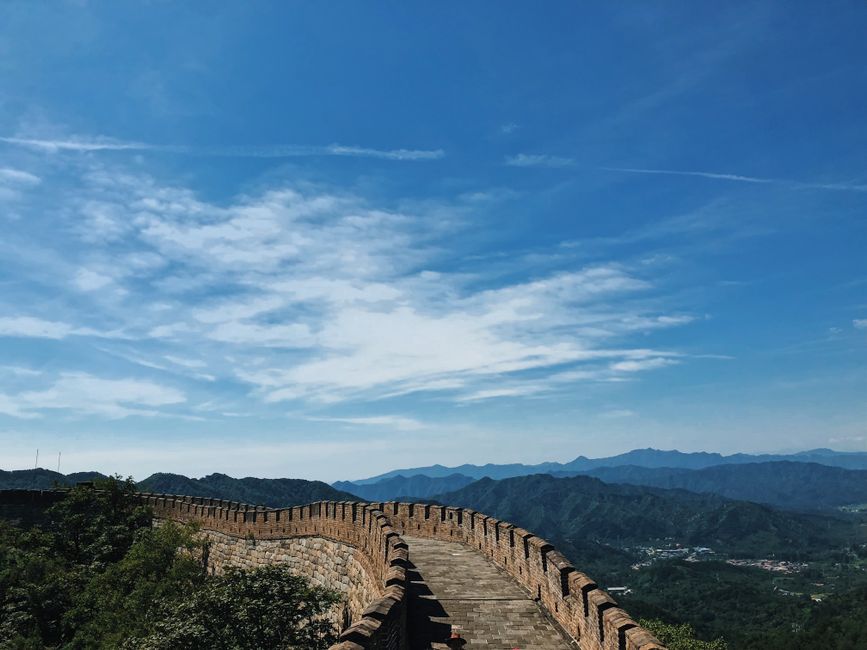
The Great Wall near Beijing is the most accessible option for most visitors, offering sections that are well-maintained, signposted and easy to reach from the city. These include famous sites such as Badaling and Mutianyu. Expect crowds at the most popular sections, particularly during peak tourist seasons (spring and autumn). The terrain is generally steep, with many steps and uneven surfaces. Physical fitness matters: even "easy" walks involve significant climbing.
Sections further from Beijing—such as Jinshanling and Simatai in Hebei Province—are less crowded and often less restored. These offer a more rugged experience and feel less like a tourist site. They suit visitors who want to hike rather than stroll, and who prefer quieter surroundings. Be aware that travelling between different wall sections may require paying multiple entrance fees.
The landscape varies considerably. Near Beijing, the wall winds through mountainous terrain with striking views. Westward sections cross higher, drier plateaus and semi-arid countryside. Some sections near the northwestern provinces follow desert edges or grasslands.
Practical considerations
Visit spring (April to May) or autumn (September to October) for the best weather. Summer can be very hot, and winter is cold in the north, though the bare landscape can be striking. The seasons are opposite to New Zealand's, so plan accordingly if you are booking a northern hemisphere trip.
Entry fees vary by section and change regularly; they are not included in what might seem a simple entrance ticket. Some sections require separate payments, especially if combining a walk across multiple areas.
The wall is long. A single visit—even to the most famous sections—gives only a snapshot of this vast structure. Most visitors spend a day or part of a day at one or two sections near Beijing rather than attempting to see multiple sections. Guided tours from Beijing are widely available and handle logistics.
Who it suits
The Great Wall appeals to history-minded travellers interested in how ancient empires defended themselves, and in the engineering of large-scale projects. It also suits outdoor enthusiasts who enjoy hiking on challenging terrain with good views. The near-Beijing sections work for visitors with moderate fitness levels who want an accessible historical site; the remote sections suit more serious walkers.
Those expecting a dramatic single wall like a European castle wall may be surprised by the reality: it is often narrower than expected, frequently damaged or rebuilt, and its effect comes more from its scale and setting than from impressive stonework at close range. Understanding that you are seeing the work of multiple dynasties, across different landscapes, and in different states of preservation, helps set realistic expectations.