The Yangtze River: China's mightiest waterway and the cities along it
The Yangtze flows through the heart of China, linking ancient cities and modern capitals. A river cruise through the Three Gorges remains one of China's most memorable experiences.
Worldway Travel · 31 October 2026
Understanding the Yangtze's scale and history
The Yangtze is not merely China's greatest river—it is one of the world's largest. At over 6,000 kilometres long, only the Amazon and Nile exceed it globally. The volume of water flowing through it is staggering: more than 30,000 cubic metres per second, roughly double the Mississippi and far exceeding most other famous rivers. For several thousand years, the Yangtze has served as a lifeline for Chinese civilisation. As the main transportation artery through China's rice-growing heartland, it shaped how the nation developed and where its greatest cities took root.
The river extends far inland, with headwaters deep in the Tibetan mountains. However, most visitors experience the Yangtze between Chongqing and Shanghai—a journey that connects some of China's oldest and most historically significant cities.
Major cities along the river
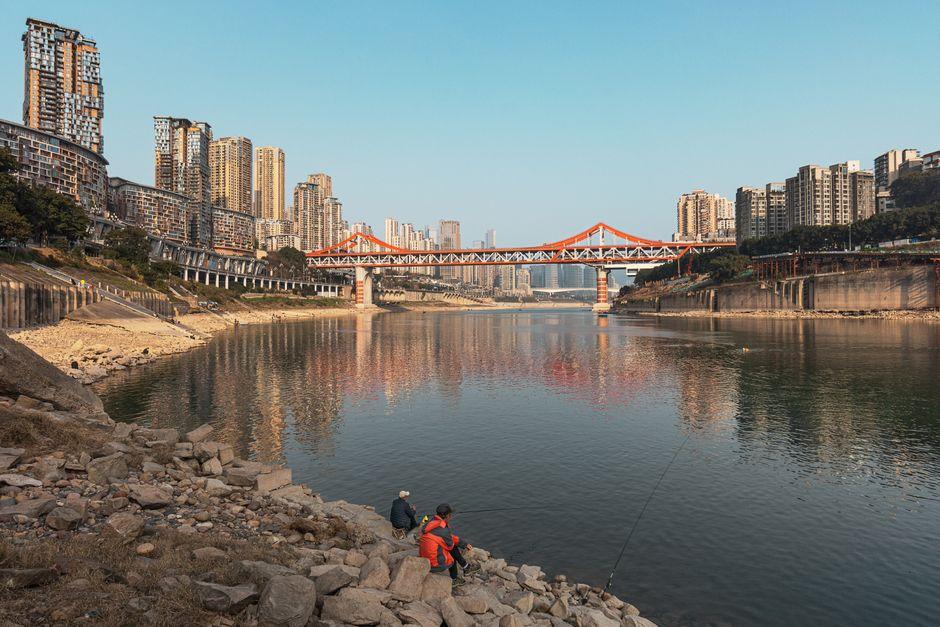
Shanghai sits at the Yangtze's mouth and deserves mention first, though it became a world-class city only after the 19th century, when foreign trade transformed it into a global financial hub. Travelling upstream from Shanghai, ancient cities appear in succession. Yangzhou was for centuries the centre of China's salt trade. Nanjing served as the national capital during several dynasties and rivals Beijing for historical weight. Wuhan grew into a major industrial and trading centre during the 19th century. Chongqing, one of China's largest cities, became China's temporary capital during World War II after the Japanese captured other major cities.
Beyond these major stops, numerous smaller ancient cities dot the banks. Several significant cities lie close enough to the river to make natural stops: Hangzhou and Suzhou near Shanghai (famous for gardens and canals, connected by the Grand Canal), and Chengdu inland from Chongqing.
The Three Gorges: the iconic Yangtze experience
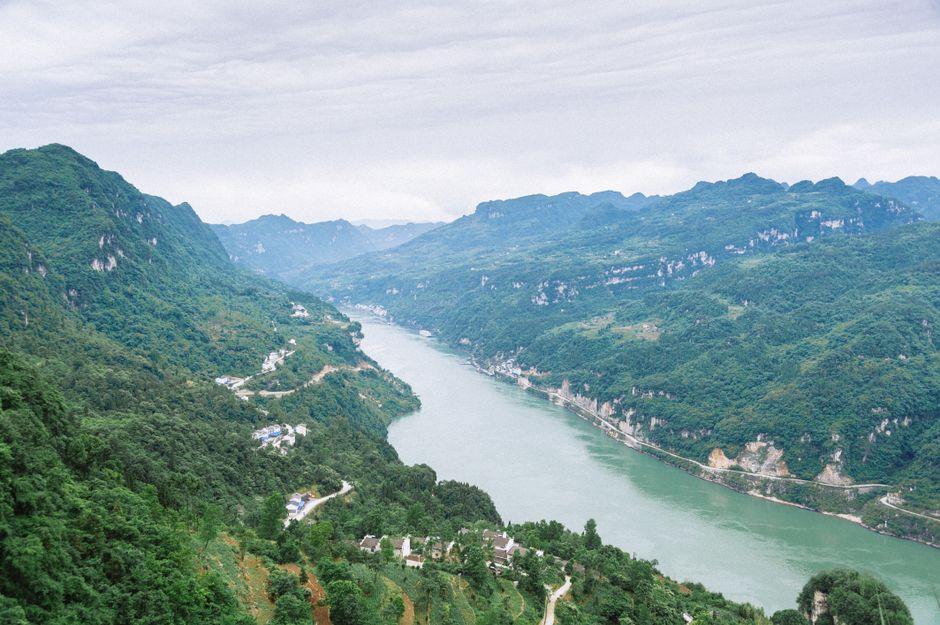
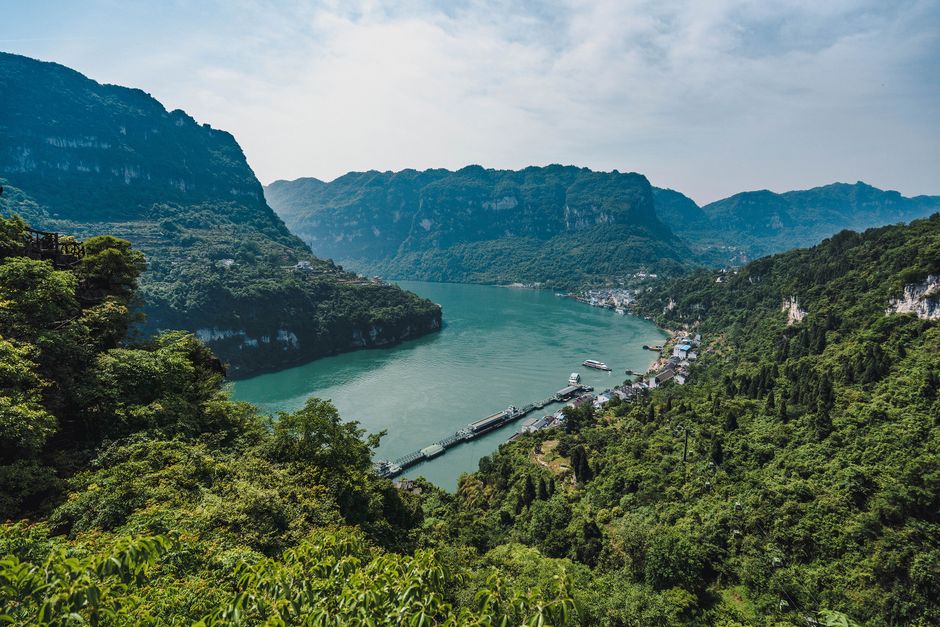
The most celebrated stretch of the Yangtze runs through the Three Gorges between Chongqing and Yichang. A cruise through this region remains one of China's most striking experiences. The landscape is dramatic, with gorges cutting through mountainous terrain. The completion of the massive Three Gorges Dam project between 2006 and 2012 altered this route considerably—the water level rose, flooding much farmland and many villages. Entire towns were built to relocate residents, and museums in the region now document this enormous human upheaval. Despite these changes, the cruise remains genuinely worth undertaking.
Choosing your cruise experience
Travellers have options when booking a Yangtze cruise, and the choice matters significantly. Budget Chinese tourist boats operate on tight schedules and minimal amenities. Stories circulate of early morning departures (6am) and late-night arrivals (4am), with passengers expected to disembark immediately. Food options aboard such vessels are limited. A luxury cruise, by contrast, typically includes better cabins, all meals except dinner on the check-in day, and guided excursions with English-speaking guides. Almost all luxury cruise passengers report satisfaction with their journey.
Practical advice for any Yangtze cruise: bring a private cabin if possible (valuable during the long, contemplative stretches between destinations), pack supplies including snacks, drinks and detergent for washing clothes, and bring clothesline and pegs for drying laundry. Hot water for instant noodles or tea is readily available aboard. The voyage lasts several days, so comfort matters.
Getting to the Yangtze
Shanghai has a major international airport with connections to almost everywhere worldwide, making it the easiest entry point from Auckland. Other major cities along the Yangtze—Nanjing, Wuhan, and Chongqing—have good domestic connections and occasional international flights, though few direct international services. Several European airlines offer connections to cities in the region from major hubs. From Southeast Asia, budget airlines provide cheaper options.
The Yangtze suits first-time visitors to China who want to experience the country's historical depth and natural beauty together. A river cruise combines relaxation with genuine exploration: the landscape changes continuously, the ancient cities appear in logical sequence, and the journey itself becomes the experience rather than a mere transfer between destinations.