Dali: ancient kingdoms and lakeside mountain views in Yunnan
Dali blends Ming-dynasty architecture with mountain and lake scenery in Yunnan's interior. Its old town and nearby villages suit travellers interested in Chinese history and regional culture.
Worldway Travel · 1 November 2026
What draws visitors to Dali
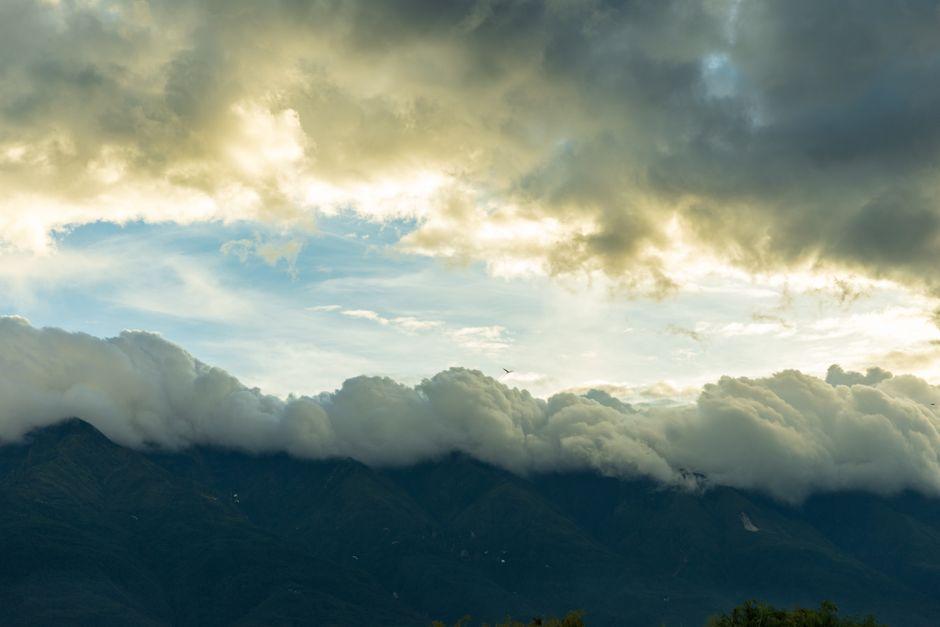
Dali sits in the shadow of the Cangshan mountain range, overlooking Erhai Lake in Yunnan Province. The city attracts both Chinese domestic tourists and international visitors seeking a quieter alternative to China's largest cities. Unlike Shanghai or Beijing, Dali offers a slower pace and a sense of being away from the megacity rush. It appeals especially to travellers interested in regional history, ethnic minorities, and landscapes that feel distinctly different from the coasts.
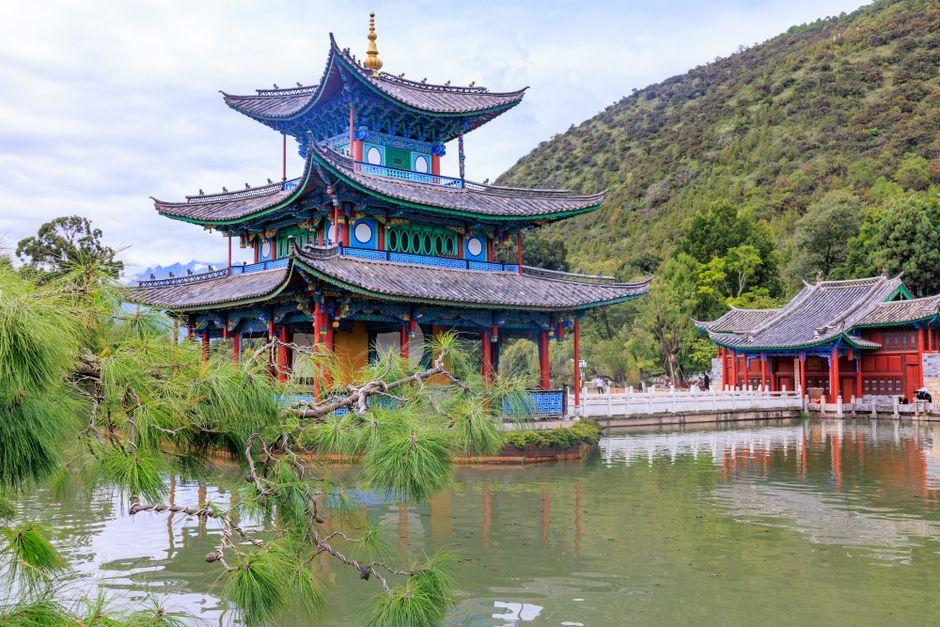
The main draw is the Old Town, a reconstructed Ming-dynasty settlement dating from the early 1400s. Walking its streets reveals traditional architecture, handicraft shops, and views across the lake to mountains beyond. Around the lake are scattered traditional villages where local Bai people—an ethnic minority with their own language and customs—still live and work. This combination of heritage and natural setting makes Dali a logical stop on routes through Yunnan.
Historical significance
Dali's past runs deep. In 937 the Kingdom of Dali emerged under the Duan clan and ruled for roughly 300 years, becoming one of the world's largest cities by around 1000. The Bai minority people are descendants of those medieval rulers. Many residents still carry the surname Duan, uncommon elsewhere in China, a living link to that history. The Nanzhao Kingdom, which preceded Dali, lasted nearly 200 years from 738 before collapsing; its rulers were ancestors of the modern Yi people.
The Mongols conquered the kingdom around 1230 and destroyed its capital and palace. They also displaced many inhabitants, scattering Bai people as far as Hunan Province. The city was rebuilt by the Ming Dynasty in the early 1400s—most structures seen today date to that reconstruction or later. The memorial stele to the Kingdom's pacification, built under the Ming, still stands near the West Gate on Sanyue Street and is free to visit.
Later, from 1856 to 1872, Dali became the centre of the Panthay Rebellion, an uprising by Hui Muslims against oppressive local rulers that escalated into revolt against the Qing Dynasty. The rebellion was brutally suppressed. The Palace of Du Wenxiu, the rebellion's leader, now houses a local museum with exhibits on this turbulent period. Despite these dramatic events, much written history was lost or destroyed; many records of the Nanzhao and Dali kingdoms do not survive.
Dali's fame across modern China owes partly to its appearance in martial arts novels by Hong Kong author Jin Yong, read by generations of Chinese schoolchildren. The city thus carries cultural weight beyond what first-time visitors might expect.
What to see and do
The Old Town occupies a compact area, easy to explore on foot. Though extensively renovated and modernised, it retains the grid layout and defensive walls of Ming times. Parts of the original city wall survive near the north and south gates; remnants appear as long earth mounds surrounding the old city. The streets fill with shops selling handicrafts, textiles, and local goods—many aimed at Chinese tourists, though genuine local artisans still work here.
The Cangshan mountains rise dramatically to the west. A cable car ascends to the ridge top, offering panoramic views down to Erhai Lake and across Yunnan's agricultural valleys. Several hiking paths wind through the mountains, rewarding walkers with varied vistas depending on the season and weather.
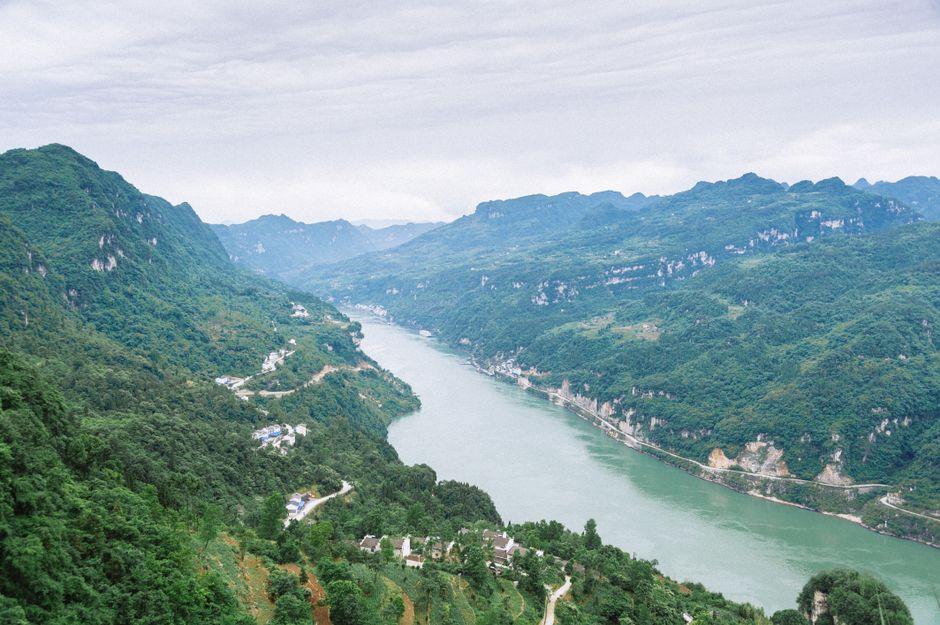
Erhai Lake itself is large and accessible. The surrounding shores include traditional Bai villages, rice paddies, and smaller temples. Boat trips and cycling routes explore the shoreline at a leisurely pace.
Geography and seasons
Dali sits 2,000 metres above sea level, giving it a mild climate year-round compared to lowland China. Spring (March to May) and autumn (September to November) bring the most pleasant weather—clear skies, warm days and cool nights. Winter is cool but rarely freezing. Summer is the wettest season, with afternoon showers common; it is also peak tourist season for domestic Chinese visitors.
The lake and mountains remain beautiful throughout the year. Travellers from New Zealand will find the seasons reversed: departing during Australasia's winter means arriving in Dali's spring or autumn, both ideal.
Getting there and practical matters
From Kunming, the provincial capital, buses take approximately 4.5 hours; the journey is inexpensive but somewhat lengthy. Buses from Lijiang to the north are shorter (about 2 hours). The modern part of Dali—Xiaguan—has the bus and train stations but lacks charm. Local minibuses and taxis connect it to the Old Town, about 13 kilometres north, in under an hour.
The Bai language is unwritten; all signs use Mandarin Chinese. Mandarin speakers can navigate independently, though English is limited outside tourist areas. Guided small-group tours appeal to those preferring structure and interpretation, especially first-time visitors to China unfamiliar with independent bus travel.
Dali suits travellers aged 50 and over particularly well: the pace is relaxed, the sights are accessible, and the lake-and-mountain scenery provides a restful contrast to urban China. Those interested in ethnic minorities, medieval Asian history, and regional handicrafts will find the experience rewarding.