Lijiang: Naxi culture and mountain scenery in Yunnan
Lijiang is a restored historic town in northwestern Yunnan, built around canals and traditional wooden architecture. It serves as a base for exploring Naxi culture and nearby mountain landscapes.
Worldway Travel · 1 November 2026
What Lijiang is
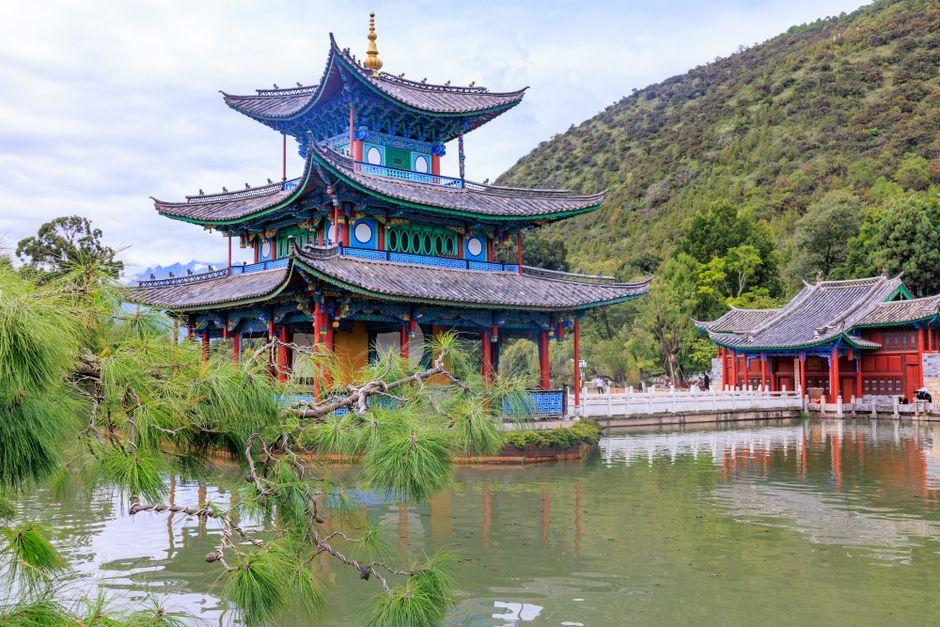
Lijiang is a city of around 40,000 people in northwestern Yunnan Province, sitting at 2,400 metres above sea level. It was once the capital of a small kingdom and today is known mainly for its Old Town—a UNESCO World Heritage Site inscribed in 1997. The city occupies an important position in the geography of southwest China, historically serving as a trading point between Yunnan, Tibet and other regions. It has developed into a popular base for visiting nearby attractions, including Jade Dragon Snow Mountain.
The Old Town was substantially rebuilt after a severe earthquake in 1996, which destroyed much of the original fabric. Modern restoration has preserved the character of the historic streetscape: stone paving, water channels running through the streets, and traditional wooden buildings typical of Naxi settlement patterns. Visitors should be aware that the town is busy, particularly around the main commercial areas, though quieter streets and nearby villages offer an alternative experience.
Naxi culture and languages
Lijiang is one of the main centres of Naxi culture in China. The Naxi people, who form the majority in the area, speak their own language—part of the Sino-Tibetan family and related to Burmese and Tibetan. Remarkably, Naxi uses a unique pictographic writing system, and you will see shop signs displaying both the Naxi name and the Chinese characters. Smaller communities of Bai, Yi and Tibetan people also live here and maintain their own languages and traditions.
You will not need to learn Naxi to visit; Mandarin Chinese is widely spoken, though often with a regional accent. The presence of these different cultures, visible in the architecture, food and daily life of the Old Town, makes Lijiang interesting for travellers interested in China's ethnic diversity.
Getting there
Lijiang Sanyi International Airport, about 40 minutes north of the city, receives flights from major Chinese cities including Beijing, Shanghai and Kunming. Many visitors arrive via Kunming, either directly or via a connecting flight. A taxi from the airport to the Old Town costs around 110 yuan (an official fixed price applies), or you can take an airport bus to a hotel near the town and catch a local taxi from there. Fares in Lijiang taxis can be negotiable, and drivers do not always use meters.
Alternatively, a high-speed bullet train service connects Kunming to Lijiang in three to three-and-a-half hours, with several trains running daily. The railway station lies about 7 kilometres south of the Old Town; local buses and share-taxis serve the route.
Altitude can affect first-time visitors to Lijiang. At 2,400 metres, the risk of altitude sickness is present but not severe. Some travellers prefer to acclimatise first at Kunming (2,000 metres) or nearby Dali before travelling to Lijiang. If you fly direct from sea level, plan to rest and move slowly for the first day or two.
When to go
Lijiang enjoys mild weather for much of the year, though the high elevation means temperatures drop noticeably after sunset. Carrying an extra layer is sensible even during warmer months. Winter is dry and sunny, making it pleasant for walking. Spring is typically dry, though evenings remain chilly. Summer brings more frequent rain, particularly from June to September, which can affect outdoor excursions but creates lush mountain scenery.
Autumn, from October onwards, becomes progressively drier and offers comfortable conditions for exploring the Old Town and nearby villages. Many travellers consider autumn an ideal time to visit.
What to see and do
The Old Town itself is the primary attraction: its network of stone streets, bridges and water channels form an intricate landscape designed without the conventional city walls found elsewhere in China. Wandering the quieter back streets reveals traditional wooden houses and everyday Naxi life away from the busier main lanes.
Just outside Lijiang, the villages of Baisha and Shuhe preserve a quieter version of historic settlement patterns in the area. Baisha was once the political centre of the Naxi people and contains temples and local landmarks. These nearby towns offer a sense of scale and context for understanding Lijiang's development.
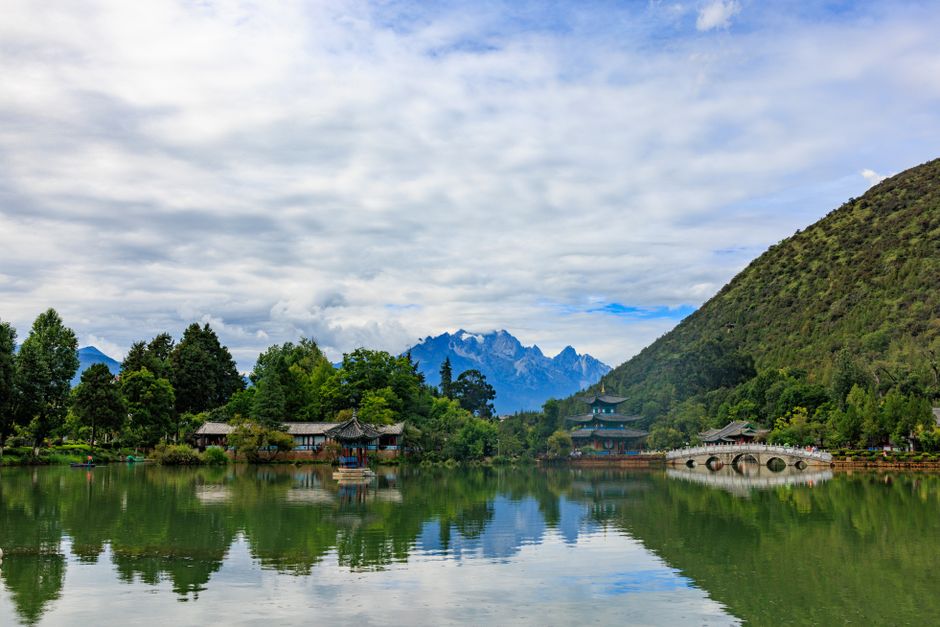
The surrounding mountains dominate the geography. Jade Dragon Snow Mountain, visible from Lijiang, is the main natural attraction for trekking and mountain scenery. Other destinations in northwestern Yunnan are accessible from the city as a base.
Who it suits
Lijiang appeals to travellers interested in Chinese history, architecture and ethnic cultures rather than modern urban development. The pace is slower than in China's major cities, making it suitable for those who want a more relaxed experience. The combination of cultural interest and proximity to mountain scenery works well for visitors aged 50 and over seeking something beyond the standard city tours.
The Old Town can feel touristy, especially in central areas, so those seeking a fully authentic experience may prefer to stay slightly longer, explore the side streets thoroughly, or base themselves in quieter nearby villages. The accessible altitude and moderate climate make it feasible for most reasonably fit travellers, though those with respiratory conditions or significant altitude concerns should plan accordingly.