Getting around China: trains, flights and city transport
China's transport network is vast and efficient. Here's how to move between cities and get around once you arrive.
Worldway Travel · 27 October 2026
How China's size shapes every trip
China is roughly 30 times the size of New Zealand, and that fact drives almost every transport decision you will make on a trip there. The distance from Beijing to Shanghai alone is about the same as Auckland to Christchurch and back. A multi-city itinerary — say, Beijing, Xi'an, Chengdu and Shanghai — covers thousands of kilometres, so choosing the right mode of transport for each leg matters both for comfort and for how much time you spend travelling rather than sightseeing.
The good news is that China has invested heavily in its transport infrastructure, and the main options available to visitors are reliable, reasonably priced and, for the most part, straightforward once you know what to expect.
High-speed trains: the backbone of travel
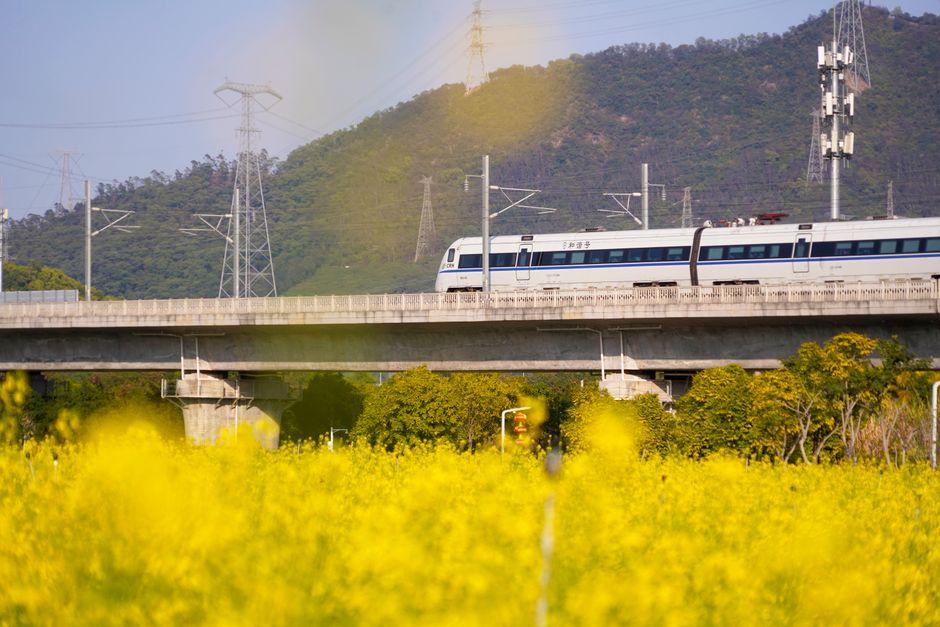
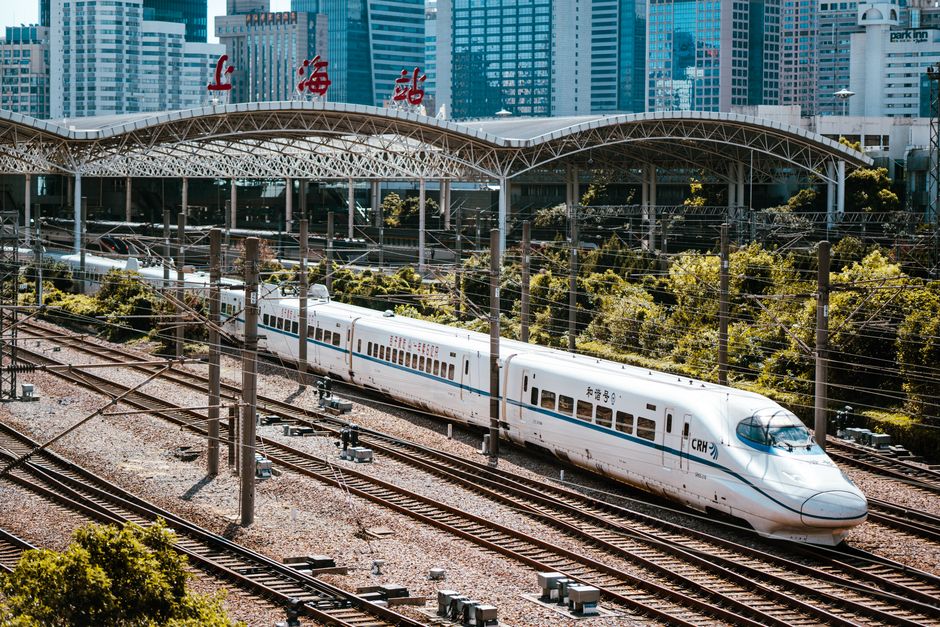
China Railway High-speed (CRH) operates the longest high-speed rail network in the world, and for most journeys along the eastern seaboard and between major inland cities, these trains are the most practical choice. They are clean, punctual and fast — typically cruising at speeds that make a three-hour train ride feel like a reasonable alternative to flying, once you factor in airport check-in and transit time.
Tickets are now entirely electronic and linked to your passport number, so there are no paper tickets to lose. Your passport will be checked both when you enter the departure hall and when you board. Announcements on high-speed services are made in both Mandarin and English.
A few things to know before you arrive at the station:
- Chinese train stations operate like airports. Gates close a few minutes before departure, and if you miss that window, you miss the train — there are no exceptions.
- Aim to be inside the station at least 20 to 30 minutes before your train leaves, longer at large city stations.
- Many cities have more than one station. High-speed trains often use a separate terminal from older conventional services, and that terminal may be on the outskirts of the city. Confirm which station you need well in advance.
- High-speed station names usually include a compass direction or district name — for example, a station called "Hengyang East" is distinct from the main Hengyang station.
The network is less dense in western China. If your itinerary includes Xinjiang, Tibet, Yunnan or parts of Sichuan, a domestic flight may be the only practical option for at least part of the journey.
Domestic flights: useful for longer distances
For routes where high-speed rail would take the better part of a day, or where the rail network simply does not reach, domestic flights fill the gap. China has three large state-owned carriers — Air China, China Southern and China Eastern — as well as several regional airlines and a growing number of low-cost carriers.
Domestic air travel in China is not expensive by international standards, and discounts are common on busier routes. Booking through a Chinese travel platform such as Ctrip (which has an English interface and accepts international payment cards) is generally the most practical approach for visitors.
Two cautions worth knowing: flight delays are fairly common in China, partly because of tight military control of airspace. For any journey under roughly four hours by high-speed rail, the train is often more dependable. Also, if you are travelling with a power bank, it must carry the China Compulsory Certification (CCC) mark to be allowed through airport security — a detail that catches many international travellers off guard.
Keep your checked baggage receipt after you collect your bags, as it may be checked before you are allowed to leave the baggage claim area.
Getting around cities: metro and taxis
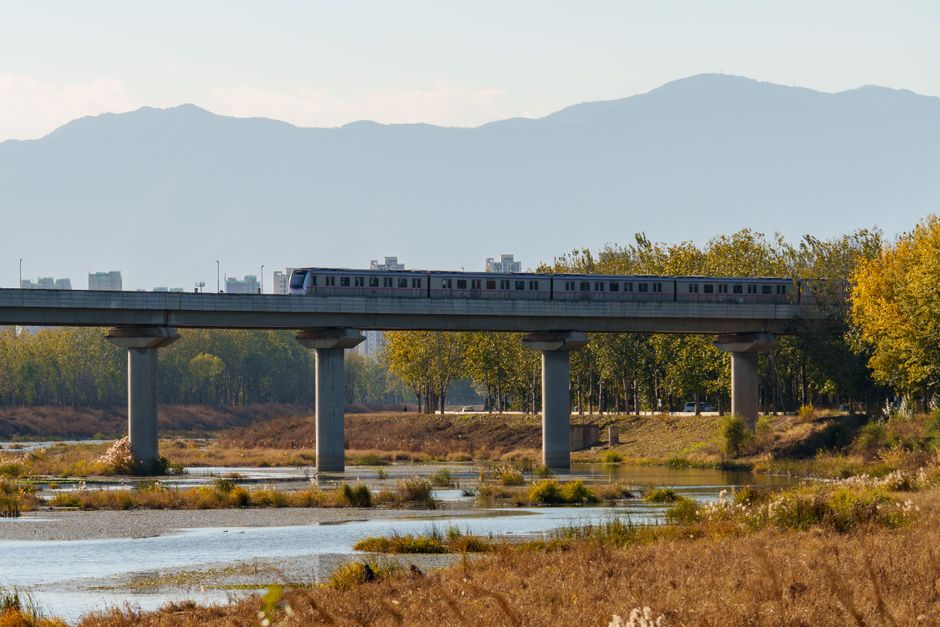
Most major Chinese cities have modern metro systems that are clean, frequent and inexpensive. For first-time visitors, the metro is usually the easiest way to move around independently — maps are displayed in both English and Chinese characters, and many systems have English signage throughout.
Taxis are widely available and relatively affordable. The main practical challenge is communication: few drivers speak English, so having your destination written in Chinese characters, or saved in a mapping app, is essential. Ride-hailing apps are popular in China and generally offer a smoother experience than hailing a cab on the street, though setting up a Chinese payment method in advance helps.
Google Maps does not function in China. Apple Maps works reasonably well because it draws on local map data, and an app called Amap (高德地图) is available in English and covers the whole country including smaller cities. It is worth downloading before you arrive.
Street names can be confusing at first. Long roads are often divided into sections labelled north, south, east, west or central, and what looks like one address can actually refer to several different streets in different parts of a city.
What a typical multi-city trip looks like
A common itinerary pattern for New Zealand visitors is to fly into one major city and out of another — for example, arriving in Beijing and departing from Shanghai — with high-speed trains handling the legs in between. This avoids doubling back and makes efficient use of travel time.
On a guided small-group tour, transfers between cities and stations are arranged as part of the itinerary, which removes much of the logistical pressure. For independent travellers, building in a buffer of time between connections is wise, particularly when moving from a city-centre hotel to an out-of-town high-speed rail station before an onward train.
Visa and entry requirements change, and New Zealand passport holders should check current rules with Immigration New Zealand and the Chinese embassy before making any bookings.