Hangzhou: West Lake, history and modern China in one city
Hangzhou blends a famous lakeside landscape with Song Dynasty heritage, temples and gardens. It's also where China's tech boom happens, making it a gateway to understanding modern China.
Worldway Travel · 4 November 2026
What Hangzhou is and why it matters
Hangzhou is the capital of Zhejiang province, a prosperous region on China's east coast about three hours from Shanghai by train. With a population of roughly 8.7 million, it is one of China's major cities and consistently ranks among the country's top tourist destinations. Unlike some Chinese cities built on industry or coal, Hangzhou is known as a place where history, natural landscape and cutting-edge modernity coexist. The city serves as headquarters for Alibaba, China's largest e-commerce company, which gives it a significant role in China's digital economy. Yet it is equally famed for a single lake that has inspired poets and artists for over a thousand years.
West Lake and the landscape
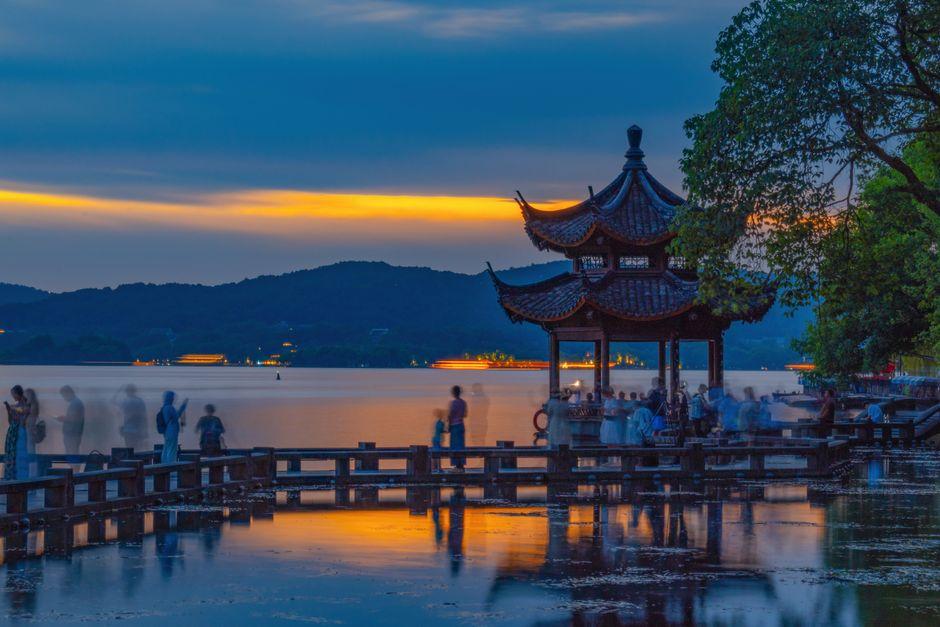
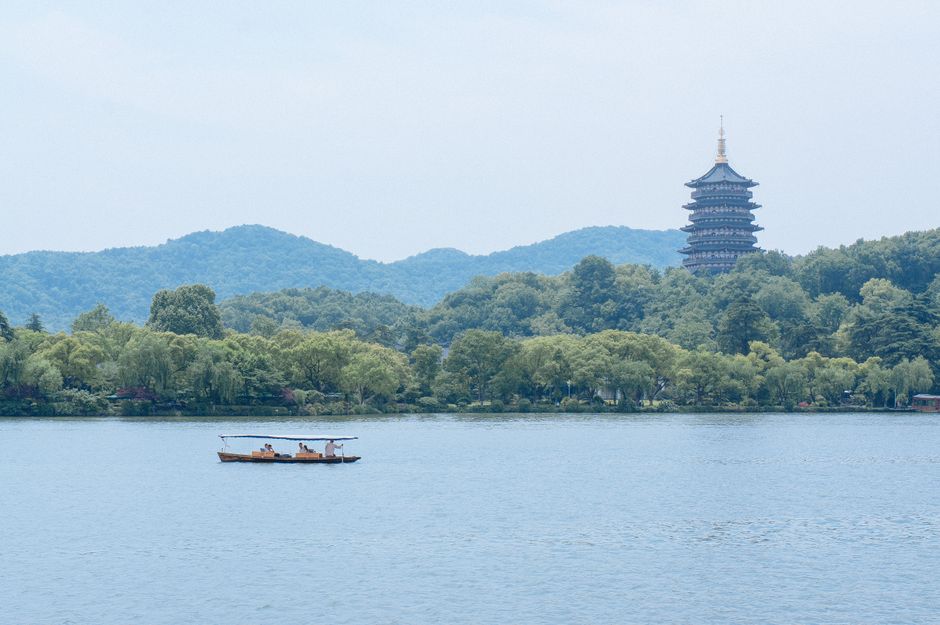
West Lake (Xihu) sits at the heart of Hangzhou's identity. In 2011, the lake and its surrounding landscape were recognised as a UNESCO World Heritage Site. The lake is surrounded by hills, temples, gardens, causeways and walking paths that offer a complete change of pace from the urban core. Visitors can walk or cycle around the shoreline, visit hillside temples, or simply sit by the water as locals do. The lake has featured in Chinese literature and painting for centuries. During the Song Dynasty, when Hangzhou served as the imperial capital from 1127 to 1276, the lake was as central to city life as it is today.
The lake district feels more open and relaxed than many Chinese city centres, with plenty of green space, water views and quiet spots. It attracts both tourists and Hangzhou residents seeking recreation.
History and cultural heritage
Hangzhou's golden age was the Southern Song Dynasty, when it rivalled and possibly exceeded any other city in the world for wealth and culture. Historical records suggest the city's population reached around one million at that time. Marco Polo visited during this era and praised it as one of the finest cities he had seen. That historical layer remains visible in temples, gardens and museums throughout the city.
The city's harbour eventually silted up, and trade gradually shifted to nearby Shanghai. Nevertheless, Hangzhou retained its cultural importance and continues to draw visitors interested in Chinese history, art and architecture.
Getting there from New Zealand
Hangzhou Xiaoshan International Airport, about 30 kilometres east of the city, handles both domestic and international flights. There are no direct flights from New Zealand, so travellers typically fly via an Asian hub such as Singapore, Bangkok or Hong Kong, then connect to Hangzhou. The airport also has direct services to several European cities (Amsterdam via KLM is noted) and major North American gateways, which may be relevant for New Zealanders connecting through those points.
Alternatively, Shanghai is the main international gateway for the region and is only two to three hours away by train or bus. Many visitors fly into Shanghai and travel to Hangzhou from there. The high-speed train from Shanghai's Hongqiao Station takes 50 minutes and runs frequently, making it a straightforward connection. Bus services also link Shanghai airport to Hangzhou, though they take longer.
Climate and when to visit
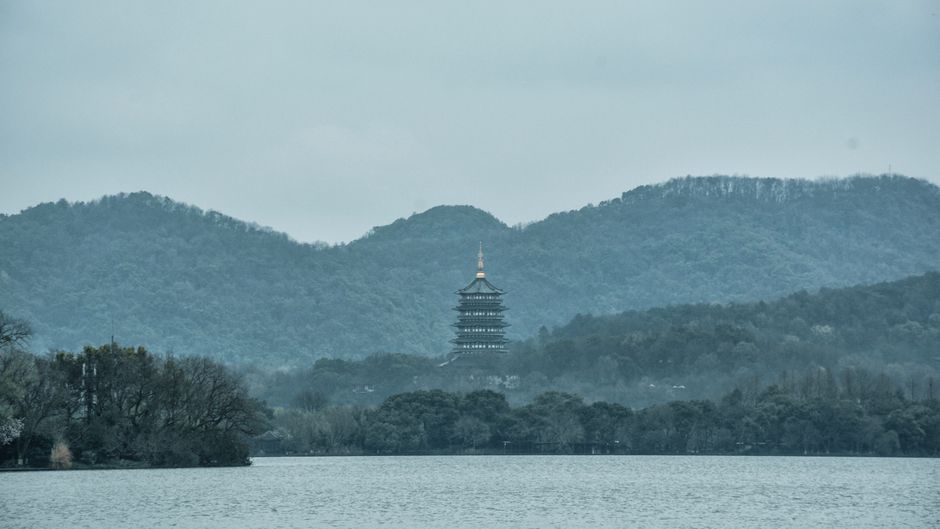
Hangzhou has a humid subtropical climate. The summer months from early June to early September are hot and very humid, which many visitors find uncomfortable for sightseeing. Spring (April to May) and autumn (September to November) offer pleasanter conditions. Winter (December to February) is cool but generally dry and clear—opposite to New Zealand's seasons, so travellers planning a winter escape from New Zealand can find suitable weather in Hangzhou.
Language and practical tips
The local dialect is Wu Chinese, distinct from Mandarin and not mutually intelligible with it. However, most residents, especially younger people and those in the city centre, speak Mandarin as a second language. English is not widely spoken, even in hotels. Travellers are advised to carry the names of their destinations written in Chinese characters to show taxi drivers, or to keep a hotel business card to help return to their accommodation.
Who Hangzhou suits
Hangzhou is ideal for first-time visitors to China who want a combination of natural scenery, cultural history and a sense of modern Chinese urban life. It is less overwhelming than Beijing or Shanghai, yet substantial enough to give a real sense of how contemporary China functions. The West Lake district appeals to those seeking landscapes and outdoor walking rather than museums alone. History enthusiasts appreciate the Song Dynasty heritage and the continuity of place over centuries. Visitors curious about modern China's tech sector may find it interesting that Hangzhou is the centre of Alibaba's operations.
The city is increasingly well set up for tourism and is often less crowded than other major Chinese destinations, particularly outside peak seasons.