Suzhou: gardens, canals and centuries of culture
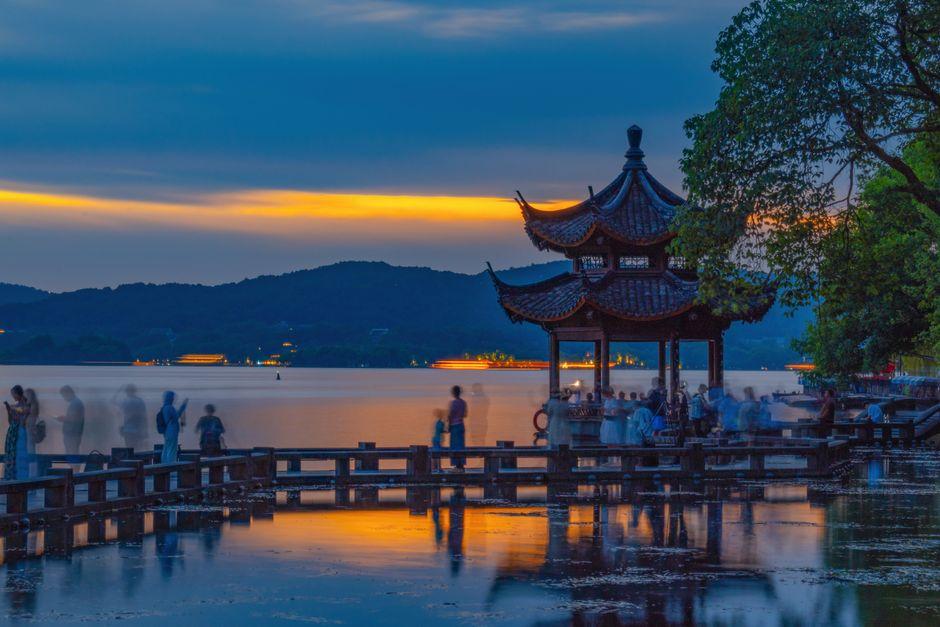
This historic city south of Shanghai is famed for classical gardens and waterside temples. A visit suits anyone interested in traditional Chinese architecture and design.
Worldway Travel · 4 November 2026
What Suzhou is
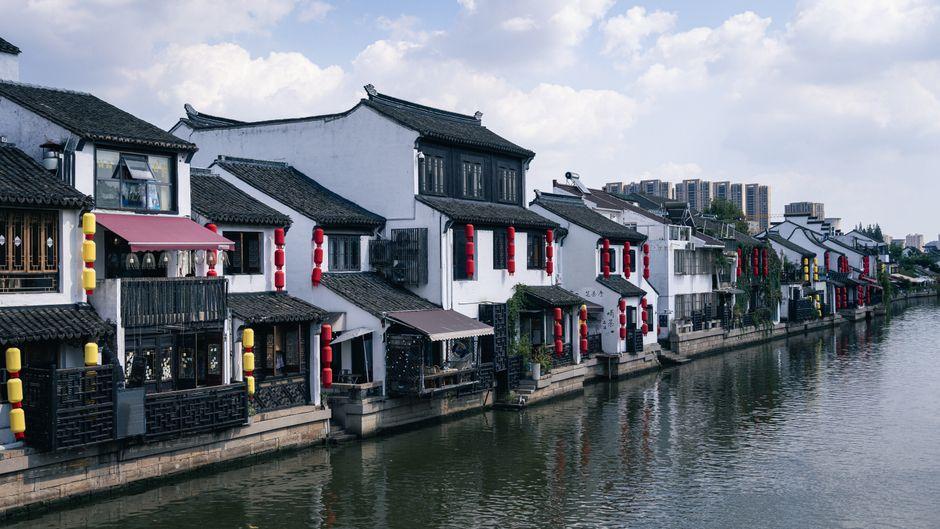
Suzhou lies in Jiangsu province, about 100 kilometres west of Shanghai. It is a major city—the core area alone has over five million residents—yet it feels quite different from Shanghai's modern scale and pace. The city straddles the Grand Canal, one of China's most important waterways, and is threaded with smaller waterways that give it a quite distinct character. To visitors, Suzhou is best known for its classical gardens and traditional architecture, qualities that have defined it for centuries.
Why visit
Suzhou's reputation rests on two things: its gardens and its canals. The gardens—there are several major ones open to visitors—are masterpieces of design, with carefully composed views of water, rock, plants and buildings. They are not like Western parks; instead, they were built as private retreats where scholars and merchants could think, paint or entertain guests. Walking through them gives a real sense of how educated people in imperial China valued beauty and tranquillity. Several of these gardens are recognised as a UNESCO World Heritage Site.
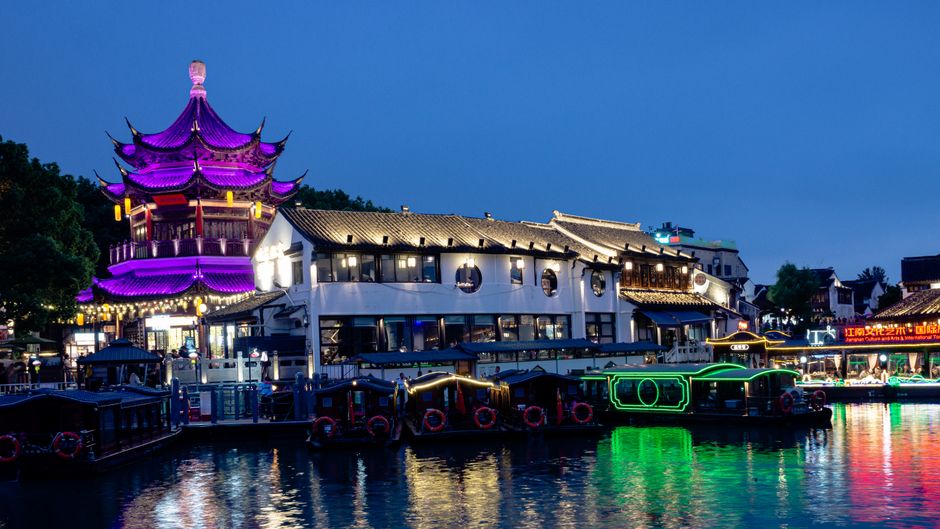
The canals form a network through the old city, lined with traditional low-rise buildings, temples and shops. This waterside character earned Suzhou a comparison to Venice—Marco Polo reportedly called it the Venice of the East. Unlike Venice, you do not need to travel by boat, but the water is central to how the city feels and looks.
Suzhou also matters in the longer story of Chinese history. It was a major city two thousand years ago, and for much of history it was the most important city in its region. Shanghai, now enormous, was only a small walled town when Suzhou officials outranked those there. Understanding Suzhou helps explain how power and wealth have shifted across China over centuries.
The main sights
The downtown area, known as Gusu District, contains most of what matters to visitors. It sits inside a large rectangular canal that connects to the Grand Canal. Within this rectangle, nine canals run east-west and twelve run north-south, creating a grid of waterways that you will see constantly as you walk around.
The gardens are the chief attraction. The Garden of the Master of the Nets is one of the most visited; it is accessible and gives a good introduction to garden design. There are several others—the Humble Administrator's Garden is another major one—and you can spend a full day visiting them if that appeals to you. Each is quite small, so you move through them slowly, noticing details of rock placement, framing views and plant choices.
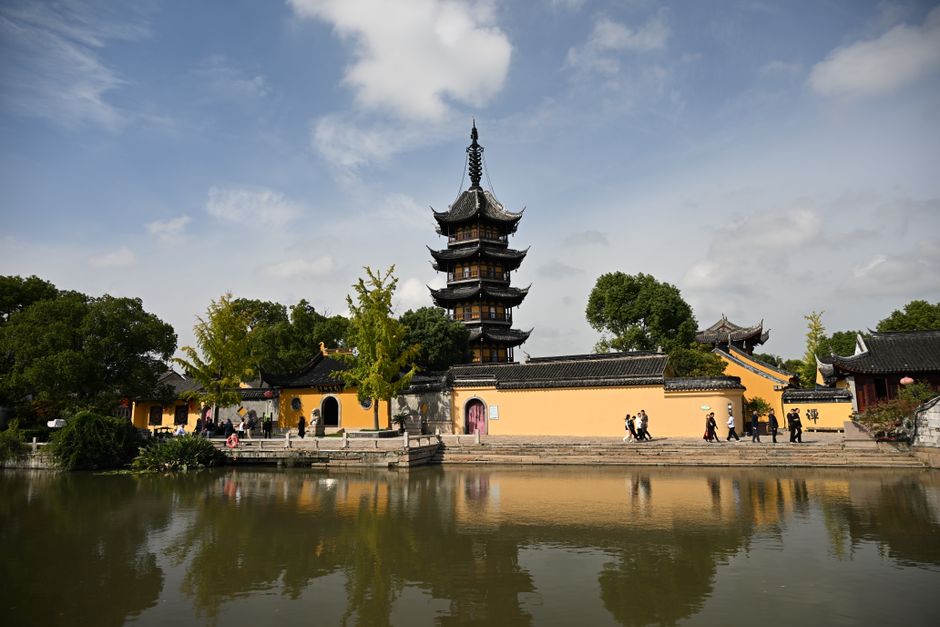
Beyond the gardens, the city has Buddhist and Taoist temples, particularly the Temple of Mystery near the busy shopping street Guanqian Jie. The old city walls, built in the late 6th century BCE, still partly survive. Museums hold silk artifacts and art linked to Suzhou's history as a centre of both commerce and culture.
Two main streets cross downtown: Renmin Lu (running north-south) and Ganjiang Lu (running east-west). Both are lined with shops, hotels and restaurants and are served by metro lines. Shiquan Jie, a side street off Renmin Lu, is particularly oriented toward visitors, with restaurants, bars and tourist-focused shopping. Guanqian Jie is a pedestrian-only shopping street that leads toward the Temple of Mystery.
Who it suits
Suzhou suits anyone interested in how Chinese cities looked and worked before industrialisation, and anyone with an eye for architecture and design. It is not a place of dramatic scenery or adventure, but rather one for observation and reflection. It is an excellent visit for those who find Shanghai too large or overwhelming; Suzhou's pace is slower and its focus clearer.
The city is also a practical base for those who want to stay near Shanghai but experience something different. It is only about an hour away by train, so visitors can easily split time between both cities.
Getting there and around
Suzhou is well connected by rail to Shanghai and other major cities. A metro system serves the main tourist areas in downtown and the modern business districts. Taxis and buses are available, though most key sights for visitors lie within the compact downtown area, which is walkable.
The city experiences four seasons; spring and autumn have the most comfortable weather. Summers are hot and humid; winters are cool and occasionally damp. Most visitors come between April and October, but the gardens and temples are worth visiting at any season.