Zhangjiajie: sandstone peaks and mountain drama in Hunan
Zhangjiajie's thousands of towering sandstone pillars and dramatic cliff faces make it one of China's most striking landscapes. This guide covers the main sights, seasons and practicalities.
Worldway Travel · 3 November 2026
What makes Zhangjiajie special
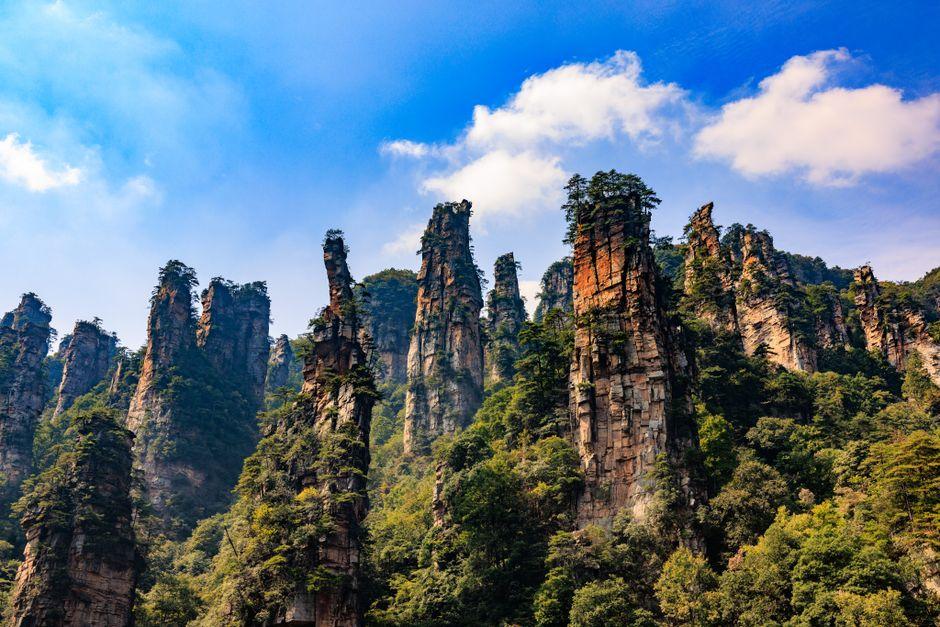
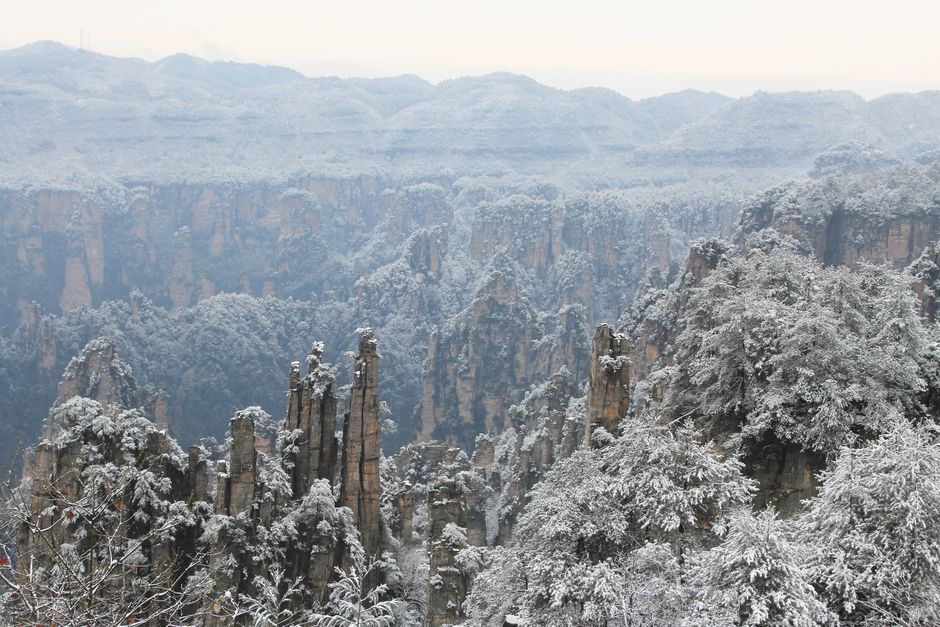
Zhangjiajie sits in northwestern Hunan Province, about 250 kilometres northwest of the provincial capital Changsha. The city is famous for one thing: a landscape so distinctive that it inspired the floating mountains in the film Avatar. Thousands of sandstone pillars jut vertically from the earth, some hundreds of metres tall, creating a scene unlike anywhere else in China. Added to this are the sheer cliffs of Tianmen Mountain, another major draw. The combination of these two natural wonders makes Zhangjiajie one of mainland China's most important tourist cities.
The area has deep historical roots. Local tradition holds that Tianmen Mountain earned its name in 263 AD when an emperor of ancient Wu saw a cave on the mountainside that opened mysteriously and renamed it "Heaven's Gate" as an auspicious sign. The city itself was known as Dayong for centuries before being renamed Zhangjiajie in 1994, partly to capitalise on its fame as a tourist destination. In 1992, the entire landscape was designated a UNESCO World Heritage Site.
The main attractions
The star attraction is Wulingyuan (武陵源), the designated scenic area that encompasses more than 3,000 sandstone pillars spread across four main zones. Zhangjiajie National Forest Park is the largest and most visited zone within Wulingyuan, where visitors explore the pillars via a network of paths and suspended walkways. The views change dramatically depending on weather and time of day—morning mist clinging to the peaks creates an almost ethereal atmosphere, while clear afternoons offer sweeping vistas across the landscape.
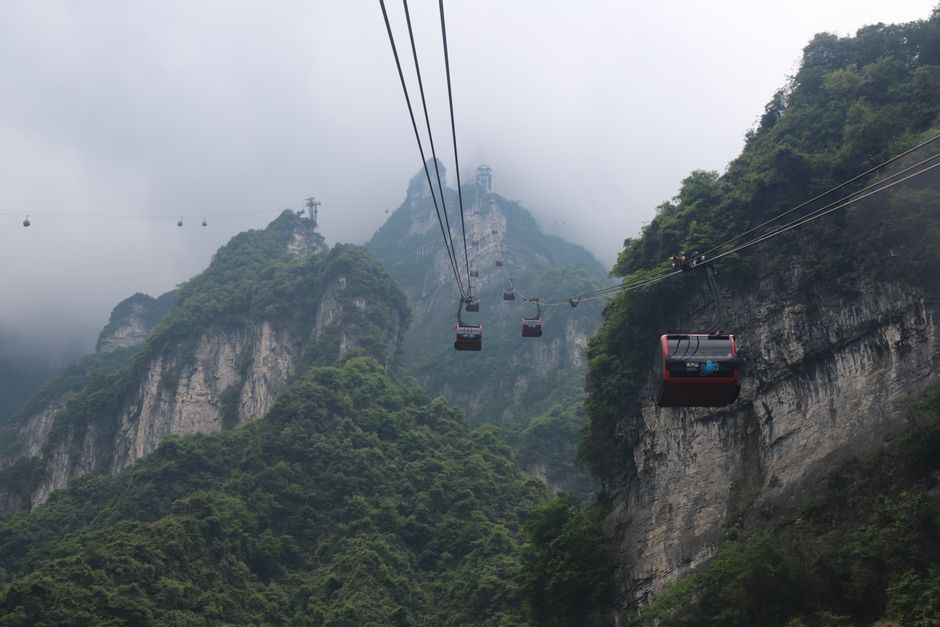
Tianmen Mountain, by contrast, offers dramatic cliff faces and equally impressive views. The mountain is accessible by cable car and features a famous winding mountain road that switchbacks 99 times up the slope.
The city itself holds some cultural attractions worth a few hours. Puguang Chan Temple, dating from the 15th century, is a working Buddhist temple and a protected cultural site. The Zhangjiajie Museum provides context about the region's history and natural significance. The Tujia Folk Customs Park celebrates the culture of the local Tujia people, an ethnic minority group of the region, with performances, exhibitions and local food.
When to visit
Zhangjiajie has four distinct seasons with a humid subtropical climate. Spring (March to May) and autumn (September to November) are the best times to visit—weather is mild, skies are often clear, and the landscape is at its most photogenic. Summer brings intense heat and heavy rain, particularly from May to August. The city itself can reach about 39°C, though the mountains stay 5–10°C cooler. Winter is generally mild but can be damp.
If you do travel in summer, bring strong sunscreen and a long-sleeved layer for higher altitudes where it cools noticeably. Most visitors find the spring and autumn window most comfortable.
Getting there and around
Zhangjiajie Hehua International Airport (DYG) is the main entry point, serving about 25 flights a day to domestic destinations, Taiwan and South Korea. It is also a port of entry for China's 240-hour visa-free transit scheme for citizens of certain countries holding an onward ticket to a third country. Check current visa requirements with official sources, as these rules change.
The high-speed rail link from Changsha downtown railway station takes about 2 hours and is often cheaper and faster than alternatives. Zhangjiajie West Station, opened in 2019, is about 5 kilometres outside the city centre; bus 6 connects it to the city in roughly 50 minutes. The older Zhangjiajie Station sits in the city centre next to the Central Bus Station, which is the hub for local transport to the scenic areas.
From the Central Bus Station (or from Zhangjiajie West Station), Tourism Line A (about 40 minutes) goes to the National Forest Park gate, while Tourism Line B (about 40 minutes) goes to the Wulingyuan scenic area. These buses run regularly throughout the day.
Who Zhangjiajie suits
Zhangjiajie appeals most to travellers who want to see China's dramatic natural landscapes without the crowds or long treks associated with other famous mountains. The scenery is accessible via well-developed paths and cable cars, making it suitable for those of moderate fitness. The combination of mountain scenery and cultural sites means there is something for different interests—photographers, nature lovers, culture enthusiasts and those simply wanting to see one of China's most striking views.
The journey from New Zealand requires a long-haul flight to a major Chinese hub (usually Shanghai or Beijing) followed by a domestic flight or high-speed train to Zhangjiajie. A small-group tour with an English-speaking guide removes the logistical complexity of independent travel and allows travellers to spend more time enjoying the scenery.
Practical tips
Avoid taxi touts at the airport car park, who often refuse to use the meter and claim inflated fares. Ask your hotel to arrange transport in advance or take city bus 4, which runs a loop to the city centre between 06:00 and 19:00 for a small fare.
The main scenic areas operate on a combined ticket valid for four consecutive days, which allows flexibility if weather closes access to higher areas or if you want to explore slowly. Wear comfortable, sturdy shoes with good grip—many paths involve steps and some sections can be steep or wet after rain. Bring a hat, sunscreen and water, especially if visiting in summer or spending a full day in the mountains.