Kunming: Yunnan's temperate gateway to southwest China
Kunming's mild climate, flower gardens and ethnic culture make it an ideal base for exploring Yunnan Province and Southeast Asia, with excellent transport links throughout the region.
Worldway Travel · 2 November 2026

Why Kunming matters
Kunming is the capital of Yunnan Province and one of China's most important transport hubs for Southwest Asia. Known locally as the City of Eternal Spring, it sits at 2000 metres above sea level, which tempers what would otherwise be a tropical climate into something far more comfortable year-round. The city has grown rapidly in recent decades and now has a population exceeding 8 million, yet it remains cleaner than many larger Chinese cities and serves as the natural jumping-off point for exploring the diverse landscapes and ethnic cultures of Yunnan and beyond.
For New Zealand travellers, Kunming offers an accessible introduction to interior China that doesn't require battling the smog and crowds of the megacities on the coast. It's particularly suited to those aged 50 or over who want to experience authentic Chinese culture without excessive physical demands, and to anyone interested in ethnic minorities, botanical gardens or regional exploration.
The climate and when to visit
The altitude delivers a genuinely pleasant climate most of the year. Winters (December to February) are mild compared to northern China, but it can snow and the air turns cold, especially when rain sets in. Pack layers and warm clothing for this period. Spring and autumn are ideal seasons. Summer brings rain and humidity, though temperatures remain moderate.
One practical note: the altitude and clean air mean ultraviolet rays are harsh. Sun protection is necessary even on cloudy days. The opposite seasons to New Zealand mean that visiting during your winter (June–August in the Northern Hemisphere) will be warm and wet.
What to see and do
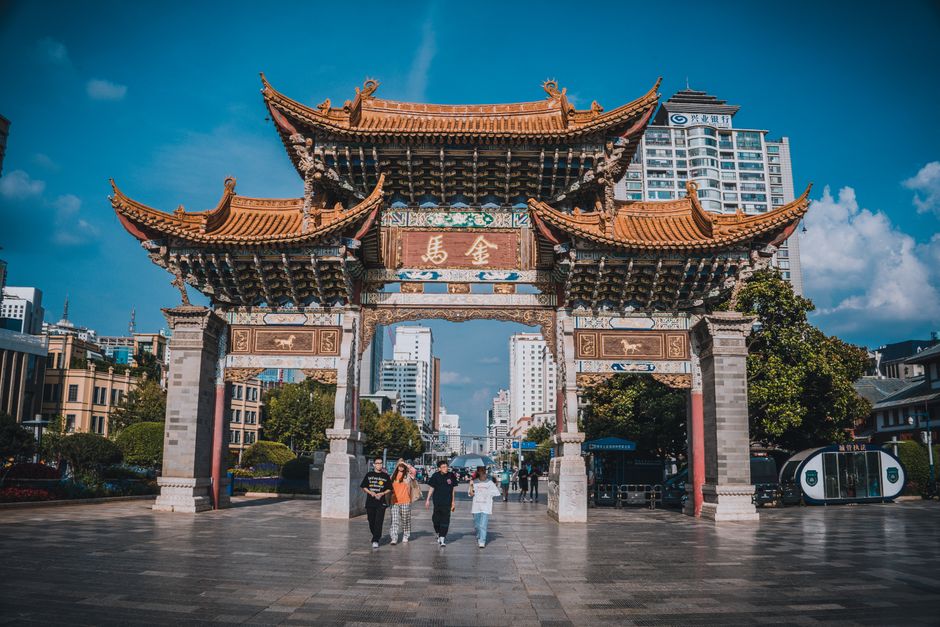
Kunming's main attractions centre on flowers and gardens. The city is a major centre for flower cultivation, and visitors can explore botanical gardens, flower exhibits and auctions—an unusual experience that gives genuine insight into a major local industry.
The city also showcases Yunnan's ethnic diversity. The Yi people are the most visible minority, and at popular tourist sites you'll encounter people in traditional dress selling handicrafts or performing local dances. This provides an authentic (if somewhat staged) glimpse of regional cultures.
The railway museum at Kunming North Station appeals to those interested in colonial history. This station, built by the French, once served an extensive metre-gauge network. Most of the historic building is now a museum, though a handful of trains still operate daily on the original narrow-gauge track—an inexpensive and nostalgic way to travel short distances.
Getting there
Kunming Changshui International Airport is the main entry point, located 25 kilometres northeast of the city. It receives regular flights from Southeast Asian cities including Bangkok, Chiang Mai, Kuala Lumpur and Singapore, plus extensive domestic connections throughout China. The airport is served by metro Line 6, which connects to the city centre in around 30–40 minutes under normal traffic conditions (considerably longer during peak hours, as Kunming suffers from congestion). Shuttle buses and taxis are also available.
From New Zealand, the standard route is to fly to a major Chinese hub or Southeast Asian capital, then connect to Kunming. The airport approach offers scenic views of terraced countryside if you're seated on the right side of the aircraft.
Rail connections are modern and improving. Kunming South Station serves high-speed trains to major cities across China, including international services to Laos. A new railway to Vientiane opened in late 2021, with extensions to Bangkok under construction. Kunming Railway Station in the city centre handles conventional and some high-speed trains, mostly serving destinations within Yunnan.
Kunming as a base
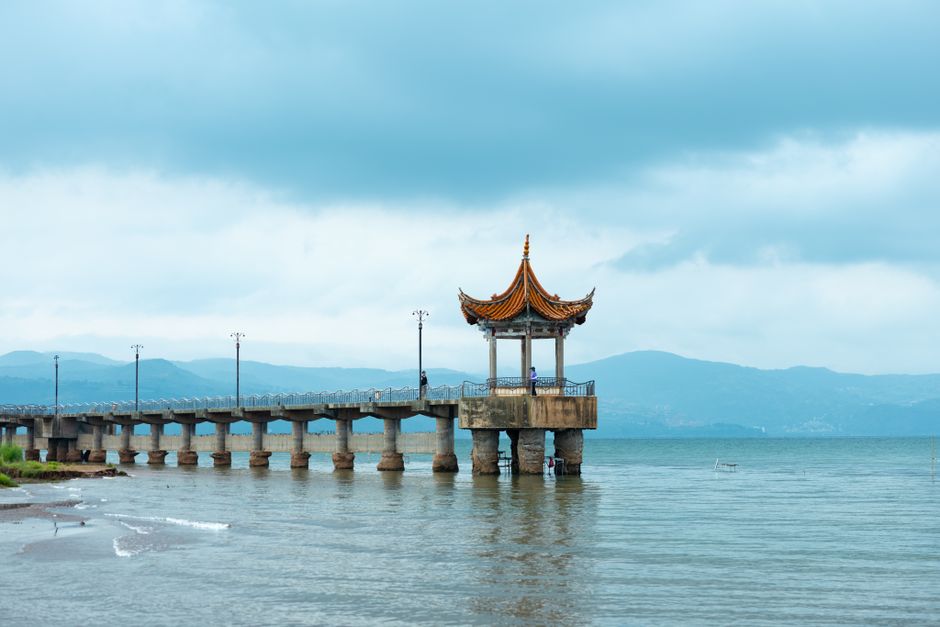
The city's primary appeal for many travellers lies not in Kunming itself but in what it provides access to. It serves as the natural gateway to explore Yunnan Province, with popular routes leading north and west to destinations such as Dali and Lijiang. Southern Yunnan's tropical landscapes and the minority villages of Xishuangbanna are also reached most easily from Kunming.
The city is well connected to Southeast Asia, making it possible to combine a visit to Yunnan with time in Laos, Thailand or Vietnam without backtracking.
Practical notes
Entry and visa requirements for China change regularly and must be confirmed with official sources before booking. New Zealand passport holders should check current regulations with Chinese embassy or consulate websites well in advance of travel.
Immigration at Kunming airport can experience congestion during busy periods, so factor in extra time. The metro system is clean and straightforward to navigate, with clear signage. English is spoken less widely than in coastal cities, so carrying a translation app or offline dictionary is useful.
Air quality is notably better than in China's industrial heartland, though traffic still creates pollution on congested streets. Those sensitive to air quality will find Kunming considerably more pleasant than Beijing or Shanghai.