Yunnan: China's most ethnically diverse province in the southwest
Yunnan spans mountains, rivers and valleys where a quarter of China's ethnic minorities live. Ancient towns, Buddhist temples and karst landscapes make it ideal for first-time visitors to western China.
Worldway Travel · 2 November 2026
What makes Yunnan different
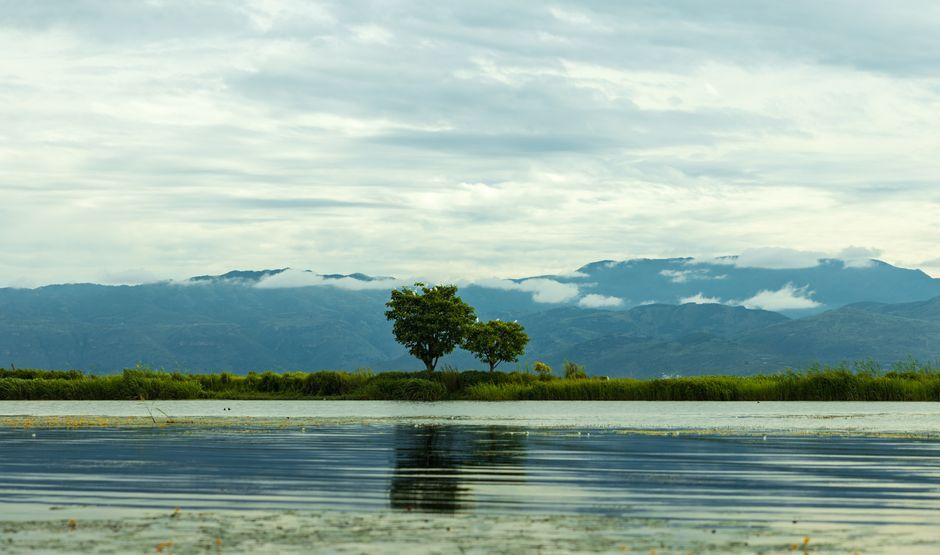
Yunnan is China's most ethnically diverse region. While most of China's population is Han Chinese, roughly one in three people in Yunnan belongs to one of the officially recognised ethnic minorities—twenty-five of them live here. This diversity shapes everything: the food, clothing, architecture, festivals and daily life across the province. Travellers see this most clearly in the ancient towns and villages, where Bai, Naxi, Tibetan, Yi and other ethnic groups have maintained their own customs alongside modern Chinese life. The province's name literally means "south of the clouds", reflecting its position as a mountainous border region between central China and Southeast Asia (Myanmar, Laos and Vietnam).
The landscape reinforces this sense of difference. Yunnan is mountainous throughout, with elevations ranging from tropical lowlands near Laos to snow-covered peaks in the Tibetan northwest. This dramatic terrain has historically made the province relatively isolated, allowing distinct cultures to flourish. Today, that same terrain creates some of China's most visually striking scenery.
The main cities and towns
Kunming, the provincial capital, serves as the main entry point for most travellers. It has the region's main airport with flights from other Chinese cities and Southeast Asian capitals. Kunming's nickname, "Spring City", reflects its mild climate year-round—a genuine advantage for travellers arriving from New Zealand's cooler months, as Yunnan's winter (roughly June to August in the Southern Hemisphere's June–August season) remains temperate.
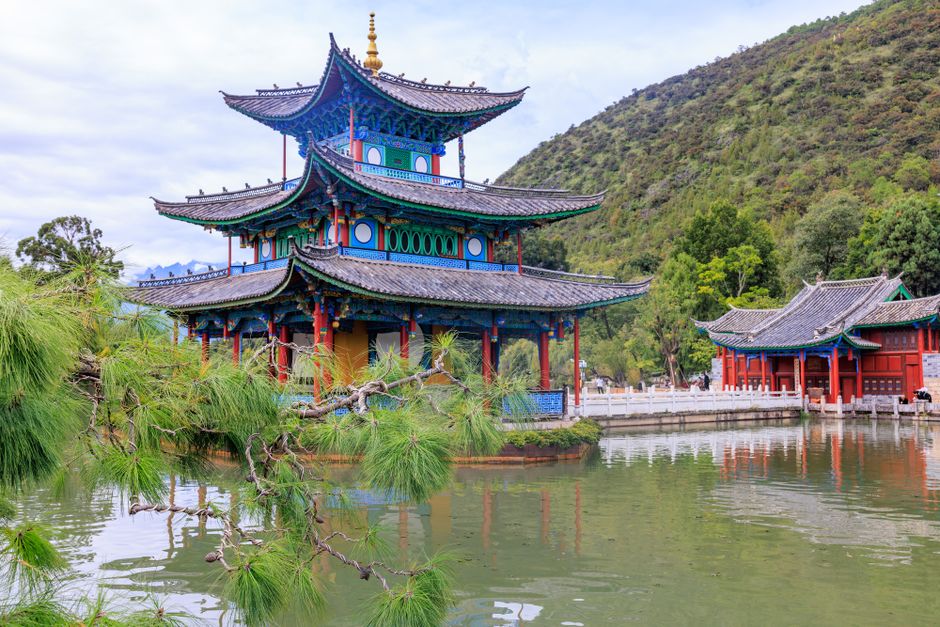
Dali and Lijiang are the two most visited destinations after Kunming. Dali is an ancient walled city that was once the capital of its own kingdom and is home to the Bai ethnic minority. Lijiang, also an ancient town, belongs to the Naxi people and holds UNESCO World Heritage status. Both towns feel smaller and more intimate than Kunming, with narrow streets, traditional wooden architecture and mountain views. They suit travellers who want to experience ethnic minority culture without the scale of a large city.
Shangrila (known officially as Zhongdian) offers a different character. Located in the Tibetan regions of northern Yunnan, it sits high in the mountains and features Buddhist monasteries and Tibetan cultural practices. The town itself has been substantially rebuilt in recent years. Jinghong, in the far south, is the centre of Xishuangbanna, a region with strong cultural connections to Thailand, Laos and Myanmar—a good choice for travellers interested in Southeast Asian rather than strictly Chinese culture.
Natural landscapes and scenic areas
Yunnan's stone formations and water features are significant draws. The Stone Forest (Shilin), a national park near Kunming, consists of thousands of karst pillars rising from the ground—a striking natural formation shaped by erosion over millions of years. The Three Parallel Rivers region showcases Yunnan's dramatic topography, where three major Asian rivers run side by side through deep gorges. Tiger Leaping Gorge offers spectacular canyon scenery and trekking opportunities for those with time and fitness.
Puzhehei Scenic Area features karst landscapes similar to those near Guilin, combined with freshwater lakes dotted with lotus flowers. The area is particularly worth visiting between late spring and autumn, when lotus blooms attract many visitors. Lugu Lake straddles the border between Yunnan and neighbouring Sichuan, offering mountain and water scenery along with villages of ethnic minorities.
Climate and seasons
Yunnan's weather varies considerably by elevation and latitude. The south (near Laos and Myanmar) is tropical and warm year-round. The north, particularly around Shangrila, can be cool or cold, especially at higher elevations. Most of the province experiences a wet season from May to October and a dry season from November to April. The best time for most visitors is October to April, when skies are clearer, rainfall is minimal, and temperatures are mild. New Zealand travellers planning to visit during their winter (June to August) will find Yunnan's weather warm and pleasant, though these are also the wet months in much of the province.
Who it suits
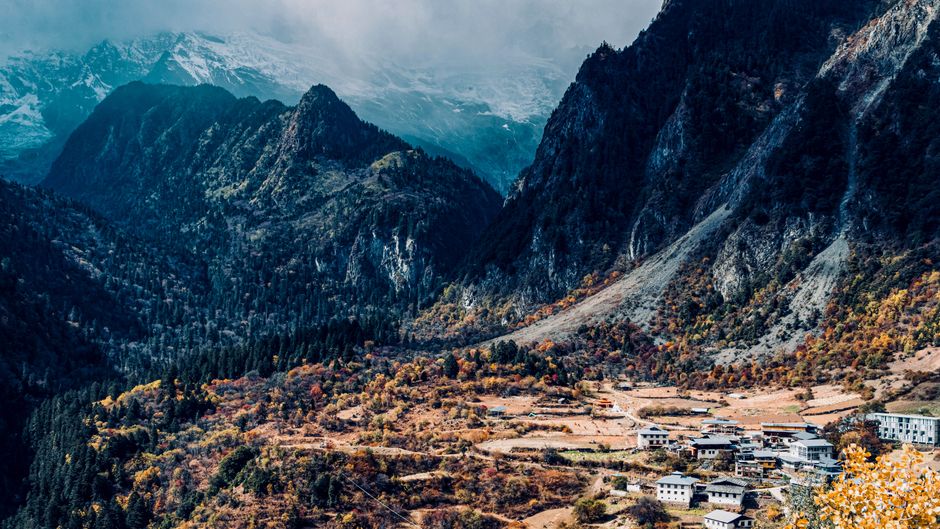
Yunnan works well for first-time visitors to China who want something beyond major cities. The ethnic diversity offers cultural experiences without requiring deep knowledge of Chinese history. Ancient towns and villages feel accessible and navigable; transport between main destinations is straightforward by bus or train. Older travellers particularly appreciate the mild climate and the fact that attractions are distributed across a manageable area—no need to spend weeks on the road to see significant variety.
The province also suits those interested in outdoor activities: trekking, cycling and boating are all possible. Equally, travellers can move between towns at a leisurely pace, staying several days in each location without rushing. A guided small-group tour works well here, as guides can navigate language barriers (Mandarin and English speakers are common in tourist areas, but local minority languages dominate in villages) and explain the cultural context of what you encounter.
Getting there and around
International flights arrive mainly at Kunming. Trains connect Kunming to other Chinese cities and to Southeast Asia—there is rail service to Vientiane (Laos) and Hanoi (Vietnam), though journey times are lengthy. Within Yunnan, buses are the primary transport between towns; roads are generally good, though journeys can be long given the mountainous terrain. The scenic train routes connecting Kunming to central China (via Chengdu or Guiyang) are worth considering if time allows, as they pass through dramatic mountain landscapes.