Paying for things in China: a practical guide for NZ travellers
Cash, cards and mobile payments all work differently in China. Here's what to set up before you leave New Zealand.
Worldway Travel · 27 October 2026

How money works in China
China's currency is the yuan (元), issued under the formal name renminbi (人民币, meaning "people's money"). You'll see it written as ¥, CNY, RMB or simply 元 on price tags and receipts. Banknotes come in denominations from ¥1 up to ¥100, and there are also coins. In everyday speech, locals often say kuài instead of yuan — much as New Zealanders say "bucks" instead of dollars.
One yuan divides into ten jiǎo (角), sometimes called máo in conversation. You'll occasionally receive jiǎo coins or small notes as change, so it's worth recognising them. Note that yuan are not accepted currency in Hong Kong or Macau, which have their own currencies, so keep that in mind if your trip includes those destinations.
Why credit cards are almost useless
Visa and Mastercard are accepted so rarely across mainland China that it is not realistic to rely on them. Most shops, restaurants, markets, transport services and even some hotels simply do not have card terminals. This surprises many first-time visitors from New Zealand, where tapping a card is second nature. The reason is that China leapfrogged plastic cards almost entirely and moved straight to smartphone-based payments. Understanding this before you arrive makes a significant difference to how smoothly your trip goes.
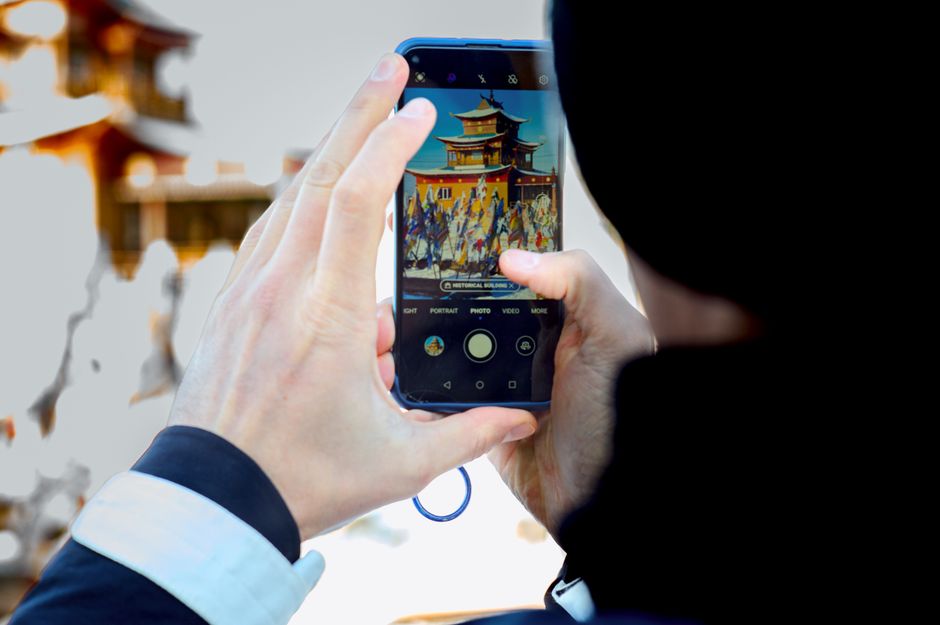
Mobile payments: the main way China pays
The two dominant platforms are Alipay (支付宝, Zhīfùbǎo) and WeChat Pay (微信支付, Wēixìn zhīfù). Together they cover the vast majority of payment situations you'll encounter — street food stalls, supermarkets, taxis, tourist sites and restaurants. You scan a merchant's QR code with your phone, or they scan yours, and the transaction is done in seconds.
The good news for foreign visitors is that both platforms now allow you to link an overseas Visa or Mastercard directly, using your New Zealand mobile number. This means you don't need a Chinese bank account to use them. There are spending limits for foreign-linked cards, but for a typical holiday the limits are generous enough not to be a concern.
A few practical steps to take before leaving New Zealand:
- Download both the Alipay and WeChat apps on your smartphone and create accounts.
- Link your New Zealand debit or credit card to each app. Use your New Zealand number at this stage; if you plan to swap to a local SIM card once in China, do the linking before you change numbers.
- Set up both platforms rather than just one, because individual vendors sometimes accept only one or the other.
- Check that your New Zealand bank does not block overseas app transactions — some banks require you to notify them of international use.
If you run into trouble with setup, online guides with step-by-step screenshots are available for both apps, and your fellow tour group members will likely be going through the same process.
Cash still has a role
Despite the dominance of mobile payments, carrying some Chinese cash remains worthwhile. Very small vendors, rural areas and some older establishments may not have a QR code system. Cash is also a reliable backup if your phone runs flat or your app encounters a problem.
The most practical approach is to bring a modest amount of cash — enough for a few days of incidentals — and replenish it at ATMs if needed. Most international ATMs in Chinese cities accept foreign cards, though your bank is likely to charge a transaction fee and the exchange rate may not be favourable. Withdraw from ATMs located inside or attached to major banks where possible, as these are more reliable.
To exchange cash, go to a major bank branch (Bank of China is widely used for this) or an airport currency counter. Private money changers should be avoided, as counterfeit notes are a known risk in that context. Banks will photocopy your passport as part of the exchange process — this is standard procedure. Allow time, as the process can take anywhere from a few minutes to an hour depending on the branch and city.
When you receive ¥50 or ¥100 notes as change, take a moment to check them. Scrutinising banknotes is completely normal in China and no one will take offence. Cashiers routinely do the same. If you'd like a good supply of smaller denominations (¥1, ¥5, ¥10, ¥20) for markets and street food, you can request a mixed bundle at a bank counter.

ATMs, exchange rates and what to expect
The New Zealand dollar is not among the most easily exchanged currencies in China, so it is worth considering whether to exchange into US dollars or Australian dollars before departure, as these convert readily at Chinese bank branches. Exchange rates at airports and hotels tend to be noticeably less favourable than at bank branches. Keep any exchange receipts if you intend to take a larger sum of currency out of China at the end of your trip.
Withdrawing cash from an ATM using your New Zealand bank card is usually the simplest fallback option. Be aware that fees from both your home bank and the Chinese ATM operator may apply, and exchange rates through this method vary.
Bargaining and tipping
Bargaining is acceptable and common in markets and with independent vendors, particularly for clothing, souvenirs and similar goods. Prices at supermarkets, chain restaurants and most tourist attractions are fixed. If you're shopping somewhere with no price tags, treating the first quoted price as a starting point is reasonable.
Tipping is not a customary practice in China and is not expected in restaurants, taxis or hotels. In some tourist-facing businesses you may see a tip jar, but leaving one is entirely optional. Guided tour groups sometimes tip local guides at their own discretion at the end of the tour, but there is no standard obligation.
Entry conditions, visa requirements and app policies change regularly. Always check the latest requirements with official sources and your app provider before travel.