Sichuan province: mountains, temples and Tibetan culture in southwest China
Sichuan combines dramatic scenery, ancient temples and accessible Tibetan regions. It suits travellers drawn to mountain landscapes and cultural diversity.
Worldway Travel · 6 November 2026
What makes Sichuan different
Sichuan is China's fourth most populous province, home to 83 million people. Yet despite its size, few New Zealand travellers know it well. The province occupies a vast area in southwest China where lowland farming regions meet towering mountains, where Chinese culture blends with Tibetan traditions, and where valleys hide some of China's most striking natural features.
The province's name means "Four Rivers", and water has shaped both its geography and history. For centuries, Sichuan was known as the "Province of Abundance" because its rivers and fertile valleys produced reliable harvests. Today it offers something equally valuable for visitors: a genuine mix of experiences that few provinces can match.
Geography and climate
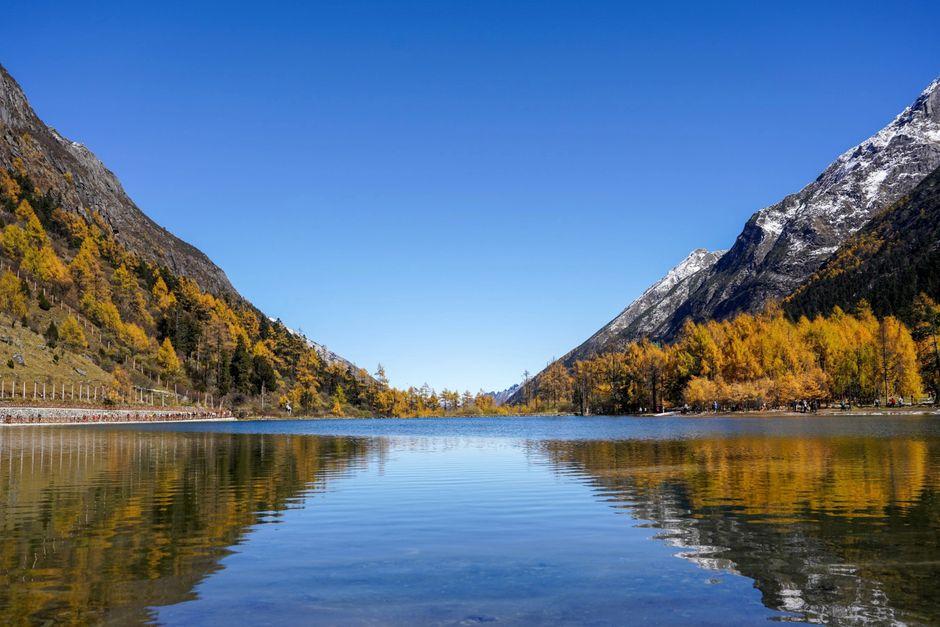
The landscape changes dramatically as you travel west from Chengdu, the capital. Eastern Sichuan consists of agricultural plains and gentle hills. As you move towards the Tibetan plateau, the terrain becomes increasingly mountainous, with granite peaks, deep gorges and alpine valleys.
The climate varies significantly across the province. Chengdu and the eastern lowlands experience warm, humid summers and mild winters, with frequent cloud cover and mist. Higher elevations in the west are much cooler and can see snow in winter. The best seasons for visiting are spring (March to May) and autumn (September to November), when skies are clearer and temperatures comfortable. This timing is opposite to New Zealand's summer, so visitors should plan accordingly.
Main sights and experiences
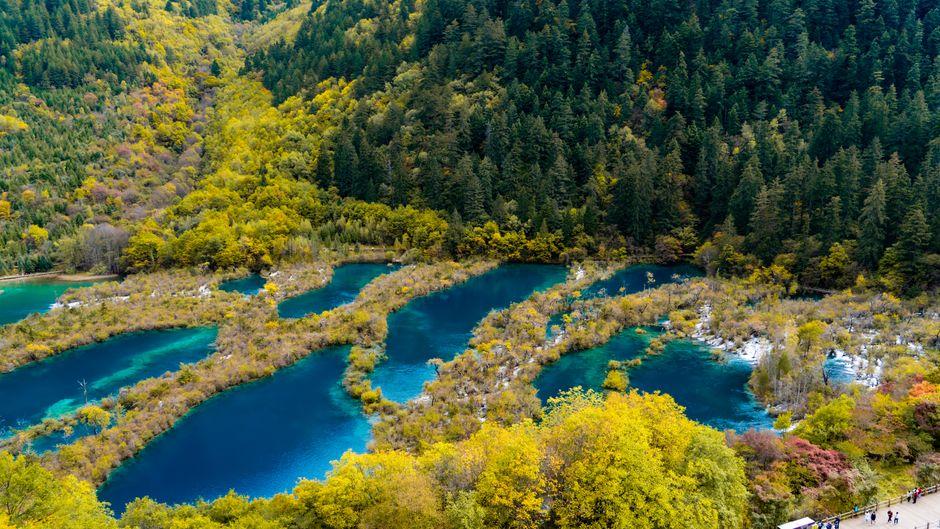
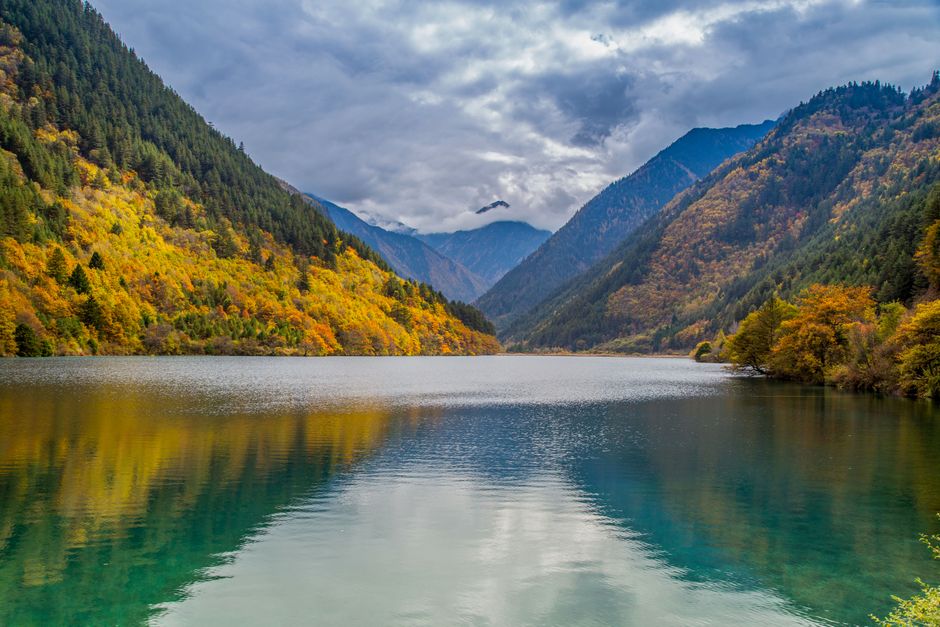
Several iconic destinations lie within Sichuan. Jiuzhai Valley, one of China's most photographed natural areas, features a chain of alpine lakes of extraordinary colour—blues, greens and turquoises—set among forested mountains and fed by small waterfalls. It is located over 300 kilometres from Chengdu and requires either a flight or a long bus journey.
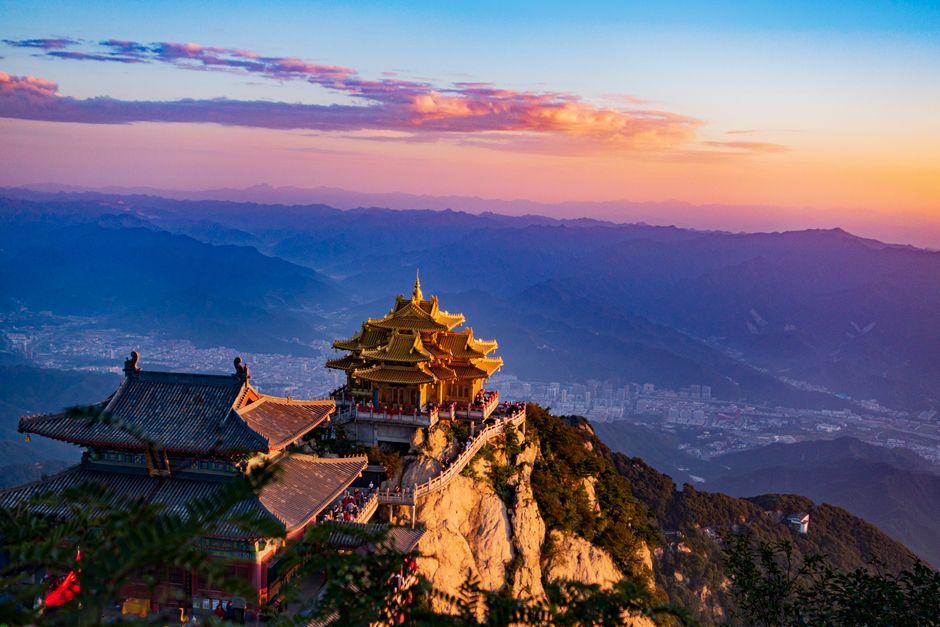
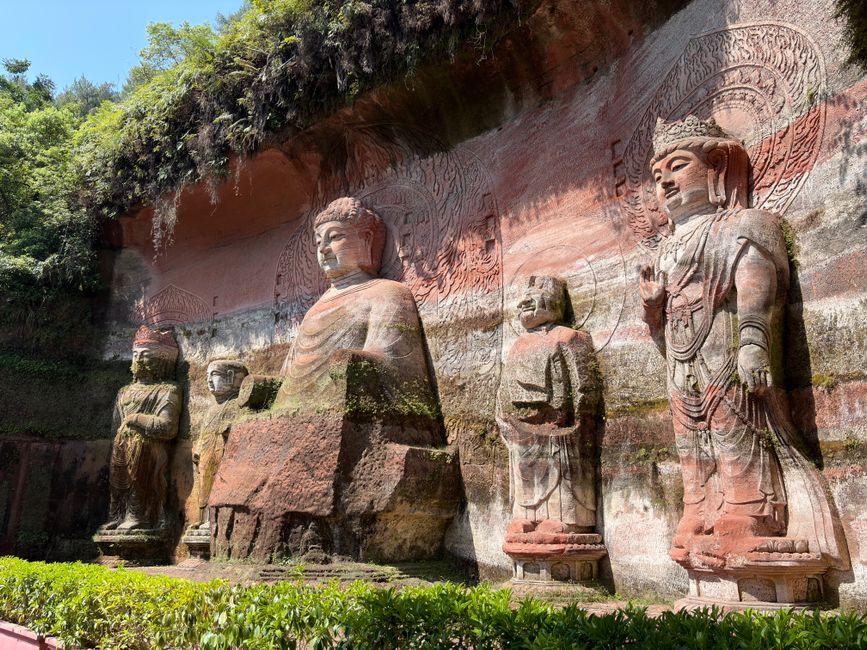
Mount Emei stands as one of China's sacred Buddhist mountains, crowned with ancient temples and offering steep walking trails through mist-shrouded forests. Leshan, nearby, is home to a massive Buddha carved directly into a cliff face beside a river—the world's largest stone Buddha.
The Huanglong scenic area features travertine pools and forested slopes, while Qingcheng Mountain holds significance as an ancient centre of Daoism, with temples built into the mountainside. The Shunan Bamboo Sea, in the south, offers a different kind of landscape: dense groves of bamboo stretching across rolling hills.
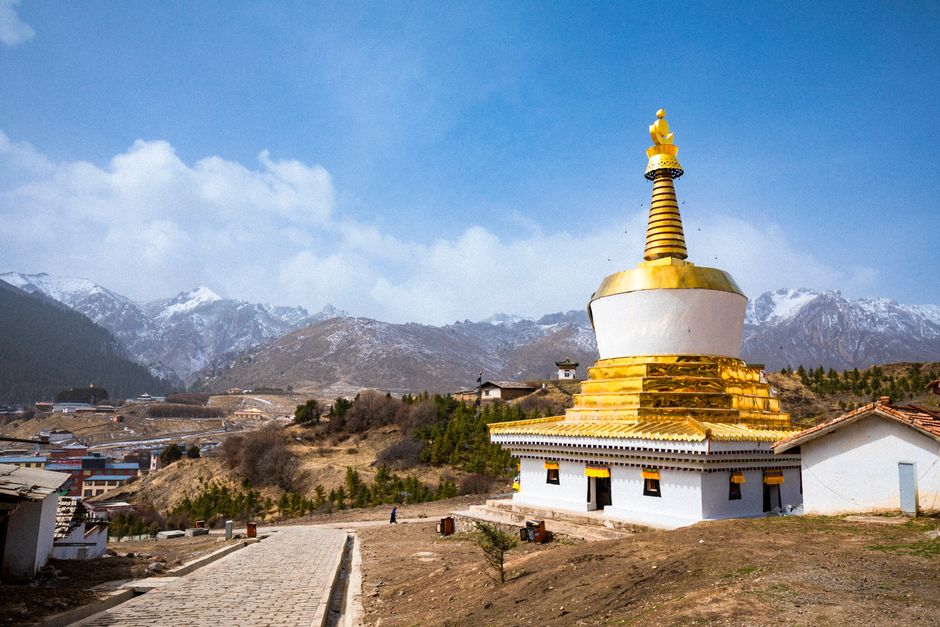
Western Sichuan enters genuinely Tibetan territory. Towns such as Kangding, Ganzi and Langmusi give visitors direct access to Tibetan culture, monasteries and mountain scenery. Unlike Tibet proper, foreigners can explore these regions independently without special permits or mandatory guides. Langmusi, which straddles the border between Sichuan and Gansu province, combines two working monasteries with opportunities for horse trekking. Dege, further north, houses a famous Tibetan library. Yading Nature Reserve offers high-altitude hiking through pristine mountain landscape.
Food and local culture
Sichuan cuisine is famous worldwide, known for its assertive use of chillies and the distinctive Sichuan pepper, which creates a numbing, tingling sensation called málà. Dishes such as Kung Pao Chicken and Twice Cooked Pork originate here. However, the region's most characteristic dining experience is hot pot: a communal meal where diners cook thin slices of meat and fresh vegetables in simmering broth at the table, typically choosing between a spicy and a milder broth.
Outside the capital and major cities, local food is straightforward and inexpensive. The staple grains are rice in the south and wheat noodles in the north. In Tibetan areas, dishes centre on yak meat, barley and tea.
The local dialect of Mandarin differs noticeably from standard northern Mandarin, and Tibetan remains the everyday language across the western highlands. In Chengdu and tourist areas, younger people increasingly speak some English, but signage outside major cities is predominantly in Chinese characters. In western Sichuan, many signs carry Tibetan script alongside Chinese.
Who Sichuan suits
Sichuan appeals to several types of traveller. Those interested in Buddhist and Daoist heritage will find temples at every elevation and in many unexpected locations. Hikers and nature lovers are drawn to the mountain scenery, from day walks near established sites to longer trekking routes in remote areas.
Visitors seeking authentic Tibetan culture without the bureaucratic complexity of Tibet proper find Sichuan invaluable. The western regions offer genuine encounters with Tibetan monasteries, communities and landscapes. Chengdu itself, a modern city with 2,000 years of history, provides comfortable accommodation and serves as a logical starting point for exploring the wider province.
The province suits independent travellers who enjoy some roughness and unpredictability, but it equally suits those on guided tours, which can handle logistics, interpretation and cultural access more smoothly.
Getting there and around
Chengdu's airport receives international flights from several countries and connects to most major Chinese cities. Fast trains link Chengdu to Chongqing and other centres across China. Within the province, buses serve most destinations reliably, though distances can be substantial. The journey from Chengdu to Jiuzhai Valley by road takes many hours, making a flight practical if time is limited.
Spring and autumn remain the ideal seasons for visiting Sichuan, offering the clearest skies and most comfortable temperatures across both lowland cities and highland mountain regions.